Animal Dreams
Dreaming of a Bear: Power, Retreat, and What Wakes You
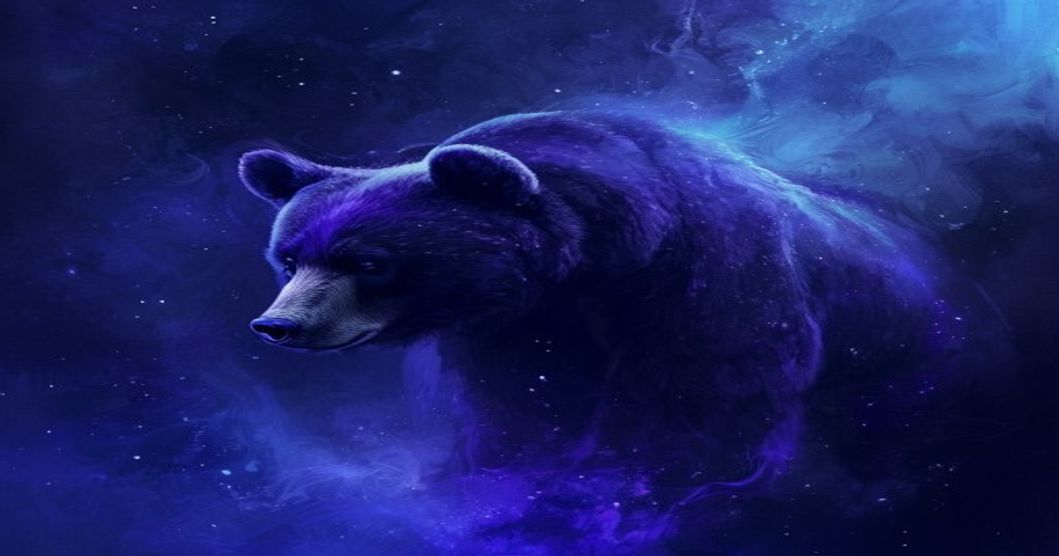
A ceiling fan in a rented room on a hot night, spinning slowly. That’s the image I always think of when someone describes a bear dream: something large, unhurried, moving in a way that has nothing to do with your schedule. The bear in a dream doesn’t rush. It doesn’t have to.
People come to bear dreams expecting to find a threat. And yes, sometimes the bear is charging, and that carries its own message. But more often than not, the bear in the dream is just present. Enormous and present. And that presence alone is what they can’t shake when they wake up. The bear wasn’t doing anything to you. It was just there, and you felt your own size in comparison.
A bear in a dream tends to represent raw force that isn’t yet aimed: your own capacity, a situation that’s bigger than you’ve admitted, or a protective instinct roused by something that matters to you. The bear’s mood and movement are the signal. A still bear is not the same dream as a charging one.
How to read what the bear was doing
- Notice the bear’s mood firstBefore anything else, what was the bear’s emotional state? Bears in dreams range from indifferent to curious to territorial to genuinely dangerous. Indifferent is actually the most common. The bear that ignores you is almost always about power that isn’t directed at you, but that you’re very aware of.
- Find your distanceHow close were you? A bear spotted across a meadow carries different weight than a bear in the same room. Proximity in an animal dream usually tracks how immediate the waking-life parallel feels. If the bear was in your house, the thing it represents has already crossed your threshold.
- Was the bear protecting something?A bear with cubs is one of the most specific and consistent configurations in bear dreams. Almost everyone who has this one is in a situation involving protection: a child, a project, a relationship, a version of themselves they’re not willing to have threatened. The question isn’t whether to protect. It’s whether you feel equipped to.
- Track what happened at the endHow did the dream resolve, or not resolve? Did you run? Stand still? Did the bear leave? Dreams that end mid-threat, with no resolution, tend to mirror situations in waking life where you’re still inside the moment, nothing decided, nothing done. The dream will often repeat until that changes.
The force you haven’t used
Jung’s framework treats large animals in dreams as energies the dreamer hasn’t integrated. A bear, specifically, often shows up when someone has more capacity than they’re using: more resolve, more boundary-setting ability, more willingness to go to ground and protect something. The bear is slow to rouse and very hard to stop once it is. If that description fits something about how you operate, or about how you wish you operated, it’s worth sitting with.
I’ve heard this version described by people in the middle of long periods of accommodation, years of making themselves smaller for a job or a relationship or a family system. The bear shows up in the dream at full scale, and the dreamer wakes up with something uncomfortably close to longing. They recognized the animal. They just haven’t let it wake up yet. It’s adjacent to what some people feel in dreams of a dead animal: a force that’s been shut down, asking to be acknowledged.
Hibernation: the bear that’s sleeping
Dreams of a hibernating bear, or of a bear den, or of something large and still underground, have a distinct quality. Where the charging bear is about confrontation, the sleeping bear is about dormancy: energy held in reserve, power that hasn’t activated yet, or a period of genuine withdrawal that you need and haven’t given yourself. Artemidorus wrote that bears in dreams signal slow-moving but forceful events. He was describing something real, even if his frame was external fortune rather than internal state.
When the bear is the threat
Being chased by a bear or attacked by one uses a different register. Revonsuo’s threat simulation work would frame this as the dreaming mind rehearsing a response to something it’s categorized as genuinely dangerous. The bear in that context isn’t symbolic in an abstract way. It maps to something your body has decided is a real threat: a situation, a confrontation, a thing you’ve been avoiding that’s now large enough to come after you in sleep. The bear doesn’t wait indefinitely.
People who have bear-chase dreams during extended conflict, whether with a person or an institution or a version of their own life, almost always identify the bear correctly without prompting. You know what it is. You knew before you finished reading this sentence.
A note on recurring bears
If the same bear, or the same bear situation, keeps appearing across your dreams over weeks or months, the usual explanation is that the waking-life parallel remains unresolved. You haven’t faced the thing, or you haven’t claimed the force, or both. A dream of something smaller and persistent tends to follow a different logic, but bears don’t do persistent: they do singular and weighty. The recurrence is the bear asking you to stop walking past it.
That ceiling fan image comes back here. The thing about a ceiling fan on a hot night is that you don’t need to interact with it. You just need to stop pretending the room isn’t warm. A heron dream asks you to be still. A bear dream asks you to wake up.
- What was the bear doing, and was it aware of me? That distinction carries most of the meaning.
- If the bear was mine, what force in me does it represent? What would it do if it woke up fully?
- Is there something in my waking life right now that I’ve been treating as smaller than it is?
- Did the dream resolve? If not, what would resolution have looked like?
One symbol, two traditions
A psychologist asks what bear felt like and what it echoes in your week. The biblical reader asks a different question entirely: what does Scripture say when this image appears, and what does it stay silent about?
A bear in your dream arrives with weight and silence. This guide explores what the bear's stillness, aggression, or hibernation is showing you about strength, boundaries, and buried force.
You are reading this oneBears appear in Scripture in specific, memorable scenes. Here is what the Bible actually records about bears, and how to think about a bear dream honestly.
Read the full biblical meaning →Quick answers
What does it mean to dream of a bear?
A bear in a dream most often represents force that isn’t fully mobilized: your own capacity, a protective instinct, or a situation that has more weight than you’ve admitted. The bear’s behavior, whether still, charging, sleeping, or protecting cubs, carries the specific meaning. Bears are rarely random in dreams.
Is dreaming of a bear dangerous or bad?
Not inherently, though a charging or attacking bear is worth taking seriously as a signal that something in your waking life has reached a threshold. A still or sleeping bear, which is more common, often points to dormant potential rather than threat. The bear demands attention, not fear.
What does it mean to dream of a bear chasing me?
Being chased by a bear almost always maps to a waking-life situation that has grown large enough that you can’t stay ahead of it. It might be a conflict, a decision, or an internal pressure you’ve been avoiding. The chase rarely stops in the dream because it hasn’t stopped in life yet.
What does a bear with cubs mean in a dream?
A bear with cubs is one of the most consistent dream configurations: it almost always points to a protective instinct that’s been activated. You’re guarding something, or you feel you should be. The cub is the vulnerable thing. The bear is the part of you that won’t step back.