Animal Dreams
Dreaming of a Tiger: What the Stripes Are Telling You
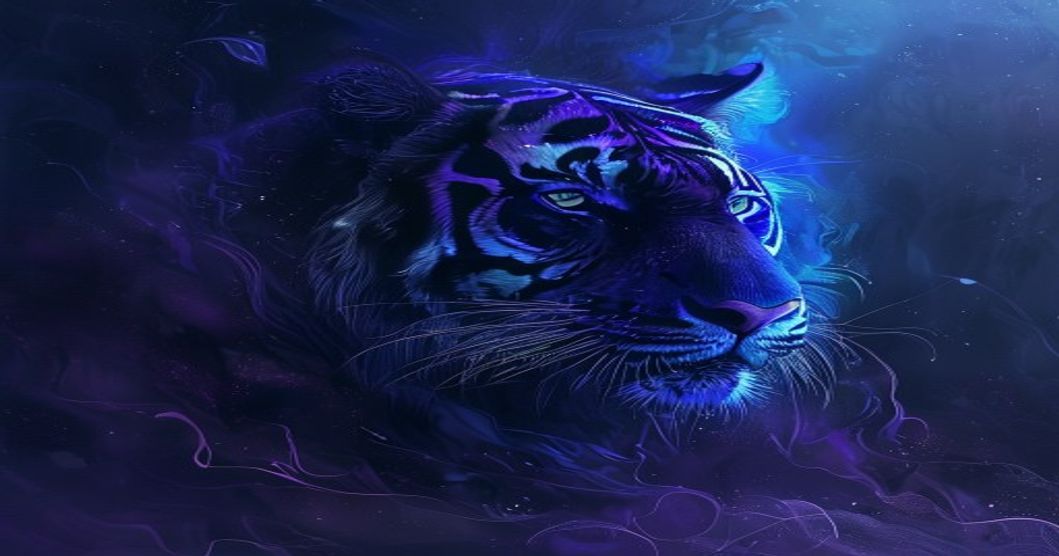
“It didn’t chase me. It just watched.” That’s the line I keep hearing, in different rooms, different voices, from people who’ve woken up shaken by a tiger dream. Not bitten. Not mauled. Just watched. And somehow that’s the part they can’t stop thinking about.
There’s something about being seen by something that powerful. You can feel it before you even think about it.
A tiger in a dream usually points to raw power: yours, someone else’s, or a force in your life that you haven’t yet decided how to relate to. Whether the tiger is calm, stalking, or attacking changes the reading significantly. The most common version, the one where it watches without moving, tends to be about potential waiting to be claimed or confronted.
The thing about being watched
I keep a small drawing above my desk, a rough sketch someone sent me years ago, a tiger half-hidden in tall grass. Just eyes and stripes visible. It’s stayed there because it captures something that I think is central to how these dreams work: the predator doesn’t need to move to be present. The pressure is already there.
People describe the tiger in their dreams with unusual precision. The color of the eyes. Whether it blinked. How still it was. This is the mind’s way of saying: pay attention to this. When dream imagery gets that detailed and that quiet, it’s usually pointing at something your waking life has been circling without landing on.
The watching tiger, specifically, tends to arrive when you’re in a holding pattern. You haven’t made the move yet. You haven’t had the conversation, quit the job, started the thing, finished the thing. The tiger doesn’t attack because nothing’s happened yet. It’s waiting to see what you do.
Five shapes this dream takes
The most frequent version. A sense of being sized up by something with real power. Usually about potential energy in your life, yours or someone else’s, that hasn’t been named or decided on.
Classic threat-response dream. The chase doesn’t mean you’re in danger. It means there’s something you’re avoiding that has real teeth. Running from your own anger is the most common shape of this.
Unsettling in its own way. When the predator softens, the dream is usually about integration: a quality in you that once felt dangerous, aggression, ambition, intensity, finding its useful form.
Power that’s been contained. This one has two readings: the cage is protection, or the cage is a waste. Your feeling when you see it tells you which one applies.
Urgent, physical, often wakes you fast. Usually about a confrontation you can’t postpone anymore. Something is here, not approaching, not potential. Already in the room.
The chase version is the one most people know, and it gets more attention than it deserves. Threat-simulation theory, developed by Antti Revonsuo, suggests that dreams rehearse your responses to dangers, which is interesting but not especially useful when you wake up at 3am trying to figure out what you’re actually running from. The answer is almost never a literal tiger.
Whose power is it, exactly
This is the question that matters most, and it’s the one people rarely ask themselves.
Jung’s reading of animals in dreams, and I use it here because it’s genuinely useful, not because it’s fashionable, is that they often represent aspects of the self that haven’t been integrated. The tiger isn’t the threatening boss, the difficult partner, the looming conversation. The tiger is the part of you that’s capable of all those things. Which is both more threatening and more interesting.
When the tiger is yours, the dream is about what you’re doing with that intensity. Are you caging it? Pretending it isn’t there? Letting it out at the wrong people? The dream isn’t judging the answer. It’s just asking the question, with yellow eyes and very good posture.
When the tiger feels like someone else, a person in your life with that kind of presence, that ability to make a room go quiet, the dream shifts. It becomes about how you navigate power that isn’t yours. Deference or defiance or something more complicated. Dreams about giant snakes tend to work similarly, that same feeling of something large and autonomous moving through your space, and it’s worth comparing which emotion was underneath when you woke.
What it used to mean
Artemidorus, writing in the second century, categorized wild beasts in dreams as either enemies or qualities of the dreamer depending on whether they attacked. A tiger that watches was, in his system, a sign of an enemy who was powerful but patient. I find his frame useful as a provocation even when I don’t take it literally, because it asks the right question: is this energy directed at you, or is it something in you?
Across cultures, tigers carry a similar weight: sovereignty, ferocity, but also, less obviously, protection. A dream of a black cat moves in shadow and ambiguity; a tiger moves in open territory, visible, unapologetic. There’s something clarifying about that, even when it’s frightening.
What a seal dream isn’t
People sometimes arrive at tiger symbolism after having what I’d describe as softer animal dreams first. Dreams of seals, of gentle underwater creatures, of playful mammals with no edges. And then the tiger comes. When that sequence happens, it usually marks a shift in what the dreaming mind is working on: from something about comfort and belonging to something about power and direction. Pay attention to the sequence, not just the individual dream.
- Was the tiger moving toward me, or was I the one moving?
- Did the power in that dream feel like mine, or like something I was facing?
- What is the thing in my life right now that’s big and has been patient?
- If the tiger had spoken, what would I have wanted it to say?
One symbol, two traditions
The disagreement is honest: one school sees tiger as self-communication, the other as an image to be discerned against Scripture. They can inform each other, but they do not merge.
A tiger in your dream is rarely just a big cat. It's you, or something in you, wearing the most efficient predator shape the mind knows. Here's how to read it.
You are reading this oneThe tiger doesn't appear by name in the Bible. Here's what that means for interpretation, and which scriptural principles still apply to a tiger dream.
Read the full biblical meaning →Quick answers
What does it mean to dream of a tiger?
A tiger usually represents concentrated power: raw energy, intensity, or force that hasn’t been fully engaged with. Whether that power feels like yours, or like something you’re facing, changes the interpretation. The tiger’s behavior in the dream, watching, chasing, calm, or attacking, is the most important detail.
Is dreaming of a tiger a good or bad sign?
Neither, really. The tiger is a neutral container for power. A watching tiger is often a prompt, not a threat. An attacking tiger tends to point at something urgent that can’t wait. Even the unsettling versions are giving you information rather than delivering verdicts.
What does it mean when a tiger chases you in a dream?
Being chased almost always points to avoidance. Whatever you’re running from has real weight in your life. The specifics matter: a black tiger in daylight feels different from a striped one at night. But the chase itself says: there’s something here I haven’t been able to face yet.
Why do I keep dreaming of tigers?
Recurrence usually means the question the dream is asking hasn’t been answered yet. Something about power, confrontation, or intensity in your waking life is unresolved. The dream returns because you haven’t engaged with what it’s pointing at, not because it’s trying to scare you.