Animal Dreams
Dreaming of a Lobster: Armor, Depth, and What You're Protecting
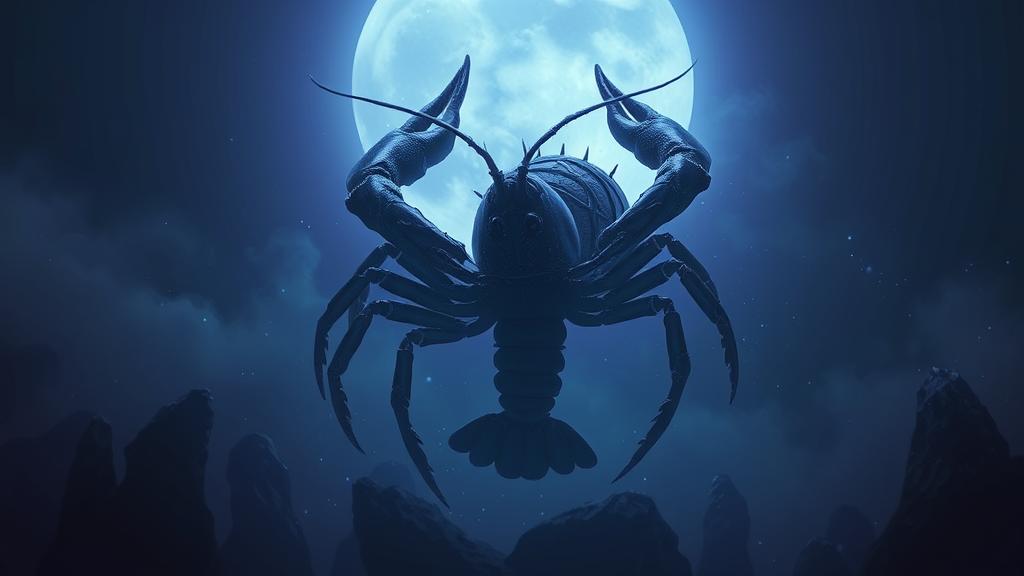
Have you ever looked at a live lobster in a grocery tank and felt, just briefly, something like recognition? Not of the lobster. Of the rubber bands on its claws. Whatever’s most dangerous, secured. Whatever’s strongest, made safe for the people who have to handle it. I’ve thought about that image more times than is probably warranted.
Lobsters don’t show up in dreams casually. They tend to arrive with weight. Dreamers describe them as vivid, often alarming, occasionally fascinating in a way that’s hard to explain. The shell, the claws, the backwards shuffle into dark water. There’s a lot of symbolic material stacked into one creature, and your dreaming mind didn’t pick it at random.
A lobster in a dream usually points to protection, hidden strength, or defended vulnerability. The creature has hard armor around something soft. Ask what in your life right now is armored, or what you’re keeping banded and safe for others to handle.
The shell and what’s under it
The most obvious thing about a lobster is that it can’t be gotten into easily. Hard exterior, sensitive interior. Not a metaphor I invented, but one your nervous system probably already runs on some days. The question the dream is usually asking isn’t whether you have armor. It’s whether the armor still fits.
Lobsters molt. They shed their shell when they’ve grown beyond it, and for a period they’re completely soft, completely exposed, waiting for the new shell to harden. Most people who dream of lobsters are somewhere in that molt: a version of themselves they wore for years has gotten tight, and the new one hasn’t finished forming. It’s the most vulnerable possible moment. The dream is usually honest about that.
Jung spent a great deal of time on the idea that the unconscious contains things that are defended for reasons. Not weaknesses, exactly, but tender cores: wounds that haven’t been addressed, capacities that were never allowed to develop, aspects of the self that got shelled over early and stayed that way. A lobster in a dream is, in his framework, practically an illustration. The creature itself is a case study in psychic defense.
How the lobster moves
One thing that dreamers mention and most guides ignore: lobsters don’t move forward. They move sideways or backwards. When threatened, they reverse, fast, into whatever dark space is behind them. That retreat is a reflex, not a failure. But dreaming of something that only retreats, that only ever backs into corners, is a specific kind of image.
If your lobster was retreating, your dreaming mind might be asking about avoidance. Not cowardice. Avoidance is often survival-smart, and the dream usually doesn’t judge it. But it notices. What keeps backing away from the light in your waking life? What hasn’t faced forward yet?
- Notice the shell’s conditionWas it intact and hard, cracked, or mid-molt? An intact shell points to functioning defense. A cracking or absent shell points to a transition in progress: something’s growing and the old protection doesn’t fit anymore.
- Notice what the claws were doingClaws raised and defensive is different from claws banded and still. If the claws were free, ask what in your waking life you’re holding back from expressing. If they were restrained, ask who or what is managing your strongest impulses.
- Notice the waterA lobster in deep, dark water is fully in its element: something powerful and instinctual operating exactly where it belongs. A lobster on land, or in a tank, or on a plate, is displaced. That displacement is the message.
- Notice your feeling toward itFascination and revulsion in the same dream moment is particularly common with lobsters. That ambivalence usually mirrors something in waking life you’re drawn to and also frightened of. The feeling is not incidental.
- Follow it backRevonsuo’s threat simulation work suggests creatures that alarm us in dreams often trace to something our nervous system flags as requiring a response. Ask: what has your body been tracking in your waking life that your rational mind has been setting aside?
Very old readings of this creature
Artemidorus was working in a Mediterranean world where lobsters were simply food and occasional harbor nuisance. His entries on sea creatures tend toward the practical: a plentiful catch signaled good fortune, a creature escaping the pot signaled something slipping away from you. He’s not always useful on the symbolic register, but on the escape reading he’s probably still right. If your lobster got away from you, something is refusing to be contained.
Eating it, catching it, or being threatened by it
Dreaming of eating lobster puts you in contact with something that required work to access. The shell has to be cracked. There’s effort before there’s reward. If this dream has any warmth to it, any sense of richness or occasion, it’s usually about deserving: something you earned the hard way, something that cost effort and is now available to you.
Being threatened by a lobster, or having one clamp down on you, is a dream where the defended thing turns on the dreamer. Something you’ve armored up against yourself, a suppressed anger, a delayed grief, a truth you’ve kept banded and contained, has gotten loose enough to bite. Not a comfortable dream. Also not a meaningless one.
If the texture and strangeness of the creature is what’s pulling you toward this article, the pieces on dreaming of a dragonfly and dreaming of a white snake both deal with creatures that carry transformation symbolism in different registers. And for the aspect of this that’s about things returning, repeating, or appearing in patterns, dreaming of a stork approaches arrival and expectation from a very different angle.
Back to those rubber bands. The thing about them is that they’re not there for the lobster’s protection. They’re there so that the lobster can be handled safely by everyone else. I’ve been thinking lately about how much of what I call my defenses are actually like that: not protecting me so much as making me manageable in someone else’s hands. That’s not a pleasant thought, but I think the lobster in the grocery tank has been sitting with it longer than I have.
- Was the shell intact, cracked, or missing? The state of the armor is the state of your current defenses.
- Were the claws free or banded? Ask what you’re holding back from expressing, and for whom.
- Was the lobster in water, on land, in a tank, or at a table? Its environment says a lot about whether the defended thing is in its right element.
- Were you drawn to it, threatened by it, or both? Ambivalence toward the creature is usually ambivalence toward the thing it represents in you.
Quick answers
What does it mean to dream of a lobster?
A lobster in a dream most commonly points to armor, defended vulnerability, or hidden strength. The creature has a hard exterior and a soft interior, and your dreaming mind is usually asking something about that structure: whether your defenses still fit, what they’re protecting, or whether something that’s been shelled over is ready to come out.
Is dreaming of a lobster a good sign?
It depends on the context. A lobster in its element, moving freely in deep water, tends to be positive: something instinctual and powerful operating exactly where it belongs. A lobster on land, in a tank, or threatening you points toward displacement or something suppressed trying to get attention. Neither is simply good or bad.
What does it mean to dream of a lobster clamping onto you?
This is usually a dream where something you’ve kept armored and suppressed has turned back on you. An anger, a grief, a truth you’ve held down for a long time. The clamp is uncomfortable, but it tends to mean the suppression isn’t working anymore. Worth taking seriously.
What does eating lobster in a dream mean?
Eating lobster in a dream often points to accessing something that required effort. The shell has to be worked through before anything becomes available. If the dream has warmth or richness to it, it usually suggests you’ve earned something the hard way and it’s now genuinely yours.