- Tradition
- Psychological readingPeople dreams
- Also read in
- The BibleSame symbol, other tradition
- Draws on
- Domhoff, Cartwright, Hartmann
- Reviewed
- 5 min read
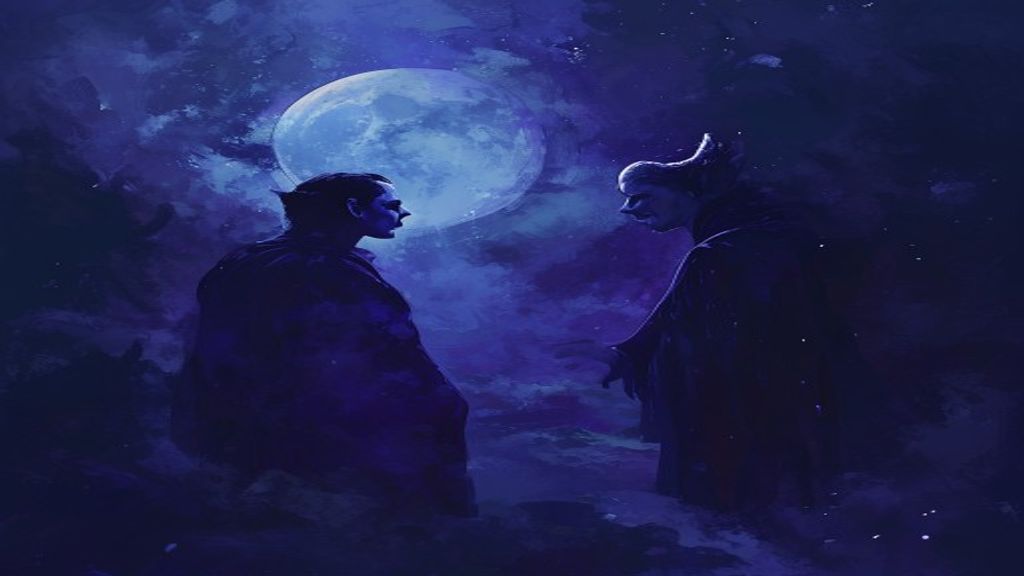
Across from you, in a room you half-recognize, is someone charming in a way that makes you careful. Not rude, not cold, but careful. You want to step back and don’t yet. Your body is doing the math before your mind catches up. If you’ve had a vampire dream, you know this moment exactly. And if you’re honest, you’ve probably also stood in roughly this same situation in a waking hallway, or at a kitchen table, watching someone you care about start talking.
The vampire is a relationship, not a monster
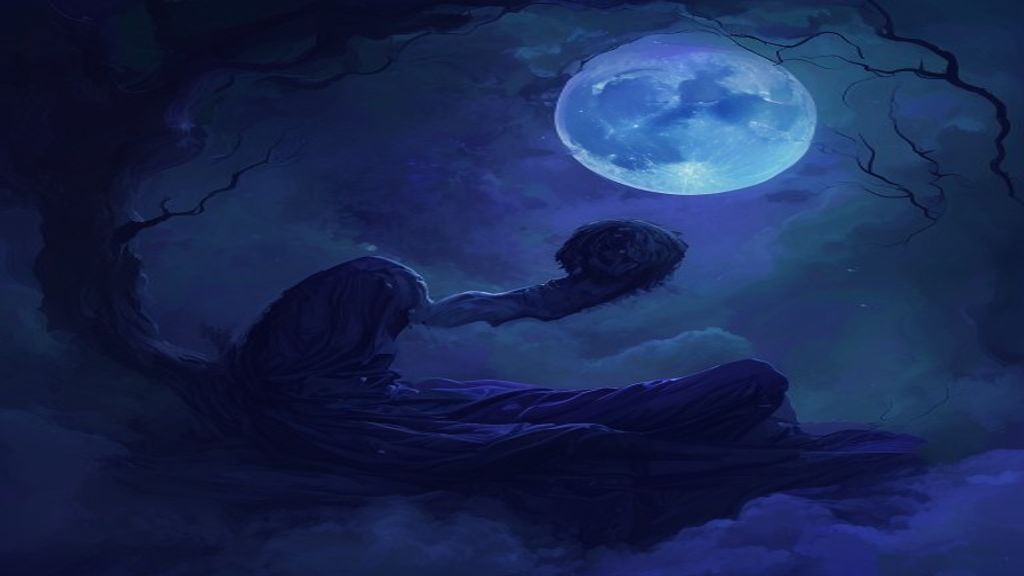
What stands out about vampire dreams is how rarely the dreamer is frightened in the way horror films would predict. There’s something closer to exhausted recognition. Oh. This again. The figure is compelling, often beautiful, often someone the dreamer loves. The danger is in the dynamic, not the teeth. Your sleeping mind has chosen the most economical symbol it knows for a particular kind of relational depletion: not dramatic harm, but slow withdrawal of something essential.
The clinical language for this pattern is energy asymmetry, which does nothing for you at two in the morning. What I’d say instead is: with a recurring vampire dream, the relationship can usually be named within about thirty seconds of waking. You just haven’t said it that directly yet. The dream says it directly.
Which dream did you have?
Hartmann’s work on how strong emotions crystallize into central images maps cleanly onto vampire symbolism. The image of a figure that takes in order to persist, that is beautiful and dangerous in the same breath, is one of the most efficient emotional encodings the dreaming mind reaches for. It doesn’t arrive randomly. It arrives when a specific feeling, usually a complicated mix of love and depletion, has been building without being named.
A note on attraction
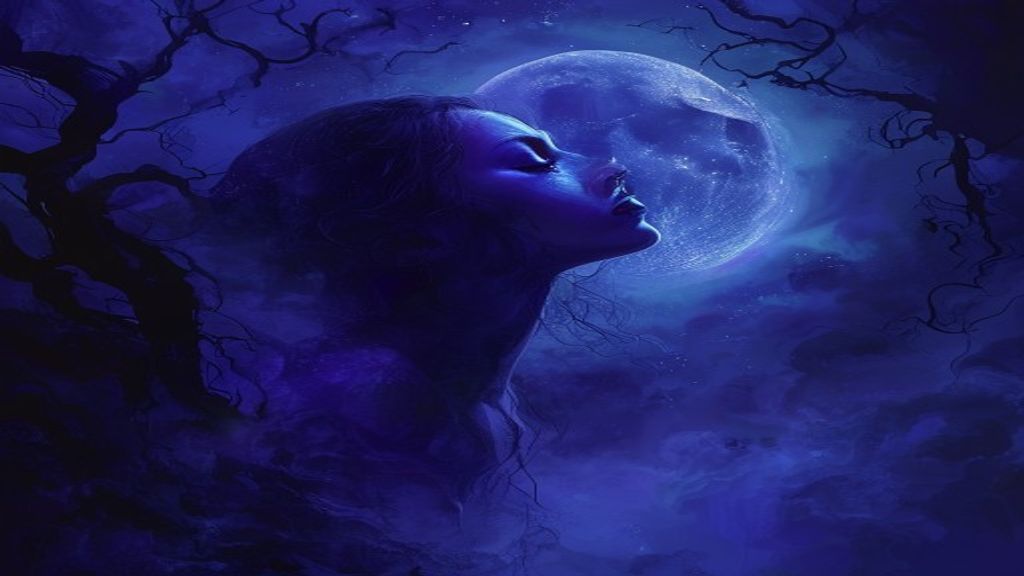
This section is short because I think it only needs to be short: vampire dreams are frequently erotic, and that’s fine, and it doesn’t change the basic reading. Attraction and drain are not opposites. Some of the most depleting relationships are the ones where you most want to stay. The dream can hold both simultaneously. If yours has that quality, don’t do what most people do, which is discard the whole dream as wish-fulfillment. The desire is real data too.
What Domhoff would say, and what he’d miss
G. William Domhoff’s continuity hypothesis would point out, correctly, that vampire dreams tend to cluster around periods of relational fatigue. They track what’s actually happening. If you’re having them weekly, you’re probably also waking up tired in ways that have nothing to do with sleep. That’s the continuity: the dream is an echo of the day, not a warning about the future.
Where the continuity hypothesis stays quiet is on the question of what to do with that information. Rosalind Cartwright’s research on how dreaming processes difficult emotional material gets closer to something useful here: the dream isn’t just repeating the problem, it’s trying to metabolize it. The fact that you’re dreaming a vampire instead of dreaming the actual person or the actual argument suggests your mind is at some distance from the situation, trying to get perspective. That distance is something. It means a part of you is already looking at the dynamic from outside it.
The old mythology is interesting here, though I don’t read it literally. Vampires can only enter if invited, a detail the genre has made famous, and it has an echo in these dreams. The dreamer can let the vampire in, or stay in the room, or not run when they could. That’s worth sitting with. It’s not blame. It’s a question about what’s kept you at the table. Dreams of celebrities share the magnetism: a figure you can’t look away from, who holds your attention at a cost you’re not counting. And in dreaming of an old friend, a person who has turned vampiric carries an added grief, because you remember when the relationship fed you rather than drained you.
I’ll say the uncomfortable thing: vampire dreams can also be about family. Not always, not even usually. But the dream doesn’t exempt people because you love them, and the emotional logic of a parent or sibling whose needs have always slightly exceeded yours is exactly what the symbol holds. Dreams of a sad ex-partner carry the same weight in a different shape: the drain of someone else’s emotional state becoming your problem to manage. If you dismissed the dream because the vampire was someone you’re supposed to love unconditionally, I’d go back and look again.
- Did I recognize the vampire? If so, who, and what does this relationship ask of me regularly?
- Did I want to stay? What does that ambivalence point toward?
- Where in my waking life am I aware of giving more than I’m getting, and calling that normal?
- If the vampire could only enter because I invited them, what was the invitation?
One symbol, two traditions
The two schools are not reading the same book: psychology asks what vampire is doing in your waking life, while the biblical tradition tests the image against Scripture and leaves the meaning with God.
Almost always it points to a relationship or dynamic that is taking more than it gives. The vampire rarely represents a stranger. It represents someone whose presence, however compelling, leaves you feeling emptied. The dream’s…
You are reading this oneScripture never mentions vampires, but it treats blood as sacred, warns against powers that drain and corrupt, and names darkness as a genuine spiritual reality. A vampire dream often opens questions about what is taking more…
Read the biblical meaning →Quick answers
What does dreaming of a vampire mean?
Almost always it points to a relationship or dynamic that is taking more than it gives. The vampire rarely represents a stranger. It represents someone whose presence, however compelling, leaves you feeling emptied. The dream’s job is to put a face on an exhaustion you may be minimizing while awake.
Is a vampire dream about a real person in my life?
Often, yes. Most people who have recurring vampire dreams can name the relationship within moments of waking, even if they’d prefer not to. The symbol is your mind’s way of saying what waking politeness, or love, or obligation keeps softening.
What if I’m attracted to the vampire in my dream?
That’s part of the symbol’s accuracy, not a reason to dismiss the dream. Attraction and depletion aren’t opposites in waking life either. The dream is holding both at once, and both are worth taking seriously.
Why do I keep dreaming about vampires?
Recurrence usually means the waking dynamic hasn’t shifted and hasn’t been named. Vampire dreams tend to stop when the dreamer either changes the relationship, leaves it, or at minimum clearly admits to themselves what it costs. The dream keeps returning because the question is still open.
Sources for this reading
- Domhoff, G. W. (2003). The Scientific Study of Dreams: Neural Networks, Cognitive Development, and Content Analysis. American Psychological Association.
- Domhoff, G. W. (1996). Finding Meaning in Dreams: A Quantitative Approach. Plenum Press.
- Cartwright, R. D. (2010). The Twenty-four Hour Mind: The Role of Sleep and Dreaming in Our Emotional Lives. Oxford University Press.
- Hartmann, E. (1998). Dreams and Nightmares: The New Theory on the Origin and Meaning of Dreams. Plenum Trade.
Full bibliography on Sources and method. Found a mistake? Tell us and see the corrections log.