- Tradition
- Psychological readingNature dreams
- Draws on
- Domhoff
- Reviewed
- 4 min read
The dictionary reading of night in a dream is mystery or fear. That’s not wrong. It’s just not very much. It treats the darkness as the message, when the message is usually in how the dark feels, whether it frightens you or lets you rest, and in whatever small light the dream keeps inside it. Night is a setting, not a verdict. It is better read as a threshold, the hour when things become possible that weren’t before.
Night in a dream is usually your mind’s way of marking a transition, something that belongs to the quiet, the hidden, or the not-yet-revealed. Whether it frightens you or draws you in tells you far more than the darkness itself.
The small lights inside the dark
Think of a single orange porch light across the street that stays on all night. It makes the dark outside a window feel less total, more supervised. Most night dreams aren’t pure blackness either. They have some version of that porch light: a lit window, a street lamp, a moon that seems brighter than real moons. The darkness is defined by its small exceptions. And those exceptions are almost always where the dream is pointing.
Night dreams tend to split into two kinds. In one you wake uneasy, with a feeling that you missed something and can’t say what. In the other you wake oddly peaceful, as though the dream gave you permission to rest from being visible. Same symbol. Opposite feeling. The feeling is the whole interpretation.
What your dream’s night is actually made of
A flatness, no reference points. This version is less about fear and more about navigation: you can’t see where things are relative to each other. It often corresponds to a period where the usual landmarks of your life have gone quiet.
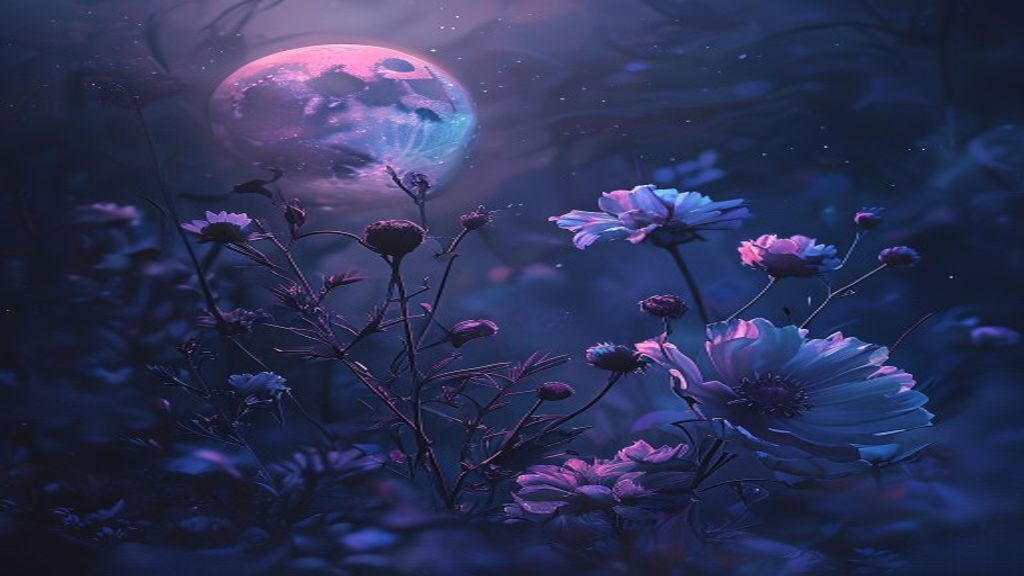
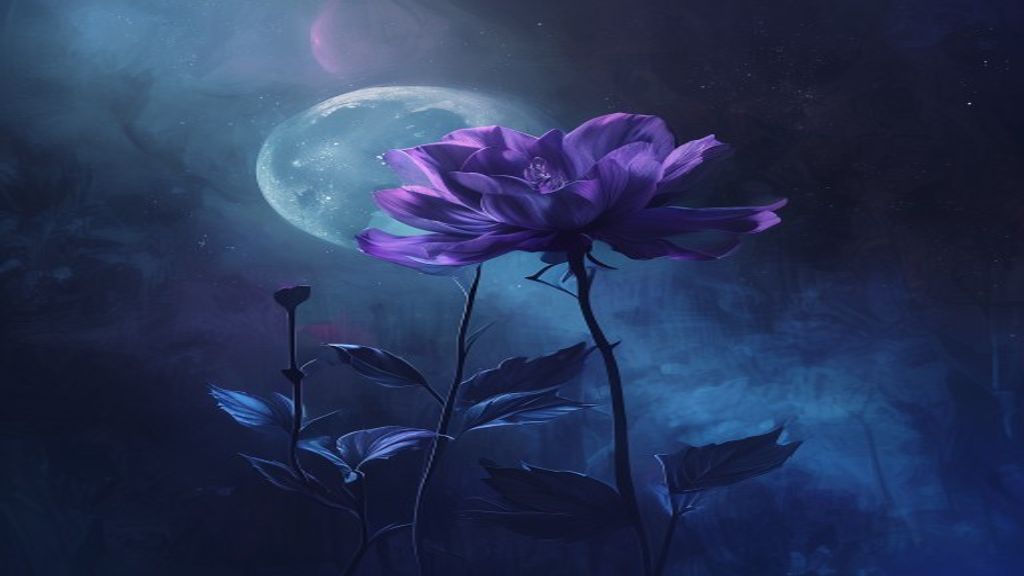
Night that’s lit from one clear source. Something hidden is becoming visible, or becoming beautiful in a way it couldn’t be under ordinary daylight. Dreams like this tend to feel more like revelation than threat.
One of the more hopeful structural moves the dreaming mind makes. Something has been in the dark long enough. The transition is the message, not either end of it.
You’re outside, it’s dark, and the dream proceeds normally. Domhoff would call this continuity: your mind is just building a scene that matches the waking-life period you’re in, probably one where things feel low-key, turned inward, or waiting.
I’m being careful here not to tell you that every night dream is meaningful in some cosmic sense. G. William Domhoff has spent decades charting what dreams actually contain, and his most persistent finding is that they reflect the emotional texture of our waking lives, not some separate symbolic register. If your nights feel long right now, your dream nights might just be long. That’s not nothing. That’s actually useful to know.
The dark as container
In Jungian terms the shadow is everything the conscious mind can’t quite look at directly, and night is a natural image for it. I’m not convinced that every dark dream is a shadow confrontation. But there’s something in the container idea that holds. Night in a dream is a space that permits different rules. Things that can’t be said in daylight get said in it. People who’ve left appear in it. Old grief, particular joy, the version of yourself you don’t show at work: these tend to visit at night, in the dream, for the same reason they visit in real nighttime. The dark is less supervised than the day. That porch light across the street doesn’t reach everywhere.
A night that leans toward a sunrise gives the darkness its job: the dark does its work so the light means something. Dreaming of a sunrise treats that last stretch of waiting as either hope or dread. There’s also a quality to what could be called night-as-shelter dreams, where you’re indoors and the dark outside means safe, that reads almost like a return to something very old. Whether that’s worth anything or is just pattern-matching, I genuinely don’t know.
When the night dream keeps coming back
Recurring night dreams are usually about something you haven’t brought into the light yet. Not necessarily something traumatic, often just something small that’s been deferred. An unfinished conversation. A decision you’ve been orbiting without landing. The dream sets up the dark again and again because the conditions for that thing are still dark.
A recurring night dream doesn’t have to be frightening. It can feel more like being kept after class, the room gone quiet, something waiting for your attention. And the small light in it, the orange porch light or the lit window, may return for a simple reason: the mind found an image that worked once and filed it away. If your dream shifts from night toward dawn as it goes on, that shift is worth paying attention to separately, and dreaming of morning reads it as something beginning, partly hopeful and partly not-quite-ready.
- Was the night threatening, sheltering, or simply there?
- Did any light appear in it, and what was it near?
- What part of your waking life feels currently unlit or waiting?
- Has this dark kept returning, and if so, what hasn’t been named yet?
Quick answers
What does it mean to dream of night?
Night in a dream usually marks a transition, something hidden, or a period of inward quiet. The key is whether the dark felt threatening, peaceful, or simply neutral, since that feeling tells you far more than the symbol itself.
Is dreaming of darkness a bad omen?
Not inherently. Darkness in dreams is as often sheltering as frightening, and in many traditions including the ancient Egyptian record it signals threshold time: something is changing but hasn’t surfaced yet. Fear in the dream is what makes it worth examining, not the darkness alone.
Why do I keep dreaming of dark nights?
Recurring night dreams usually correspond to something in waking life that’s still unlit: a decision deferred, a feeling not quite named, a conversation not finished. The dream repeats the conditions until the waking situation changes.
What does a moonlit night dream mean?
Moonlight in a dream is often the mind’s shorthand for something becoming visible that was hidden. It’s night that provides its own illumination, which usually reads as a gentler, slower kind of insight rather than an abrupt revelation.
Sources for this reading
- Domhoff, G. W. (2003). The Scientific Study of Dreams: Neural Networks, Cognitive Development, and Content Analysis. American Psychological Association.
- Domhoff, G. W. (1996). Finding Meaning in Dreams: A Quantitative Approach. Plenum Press.
Full bibliography on Sources and method. Found a mistake? Tell us and see the corrections log.