- Tradition
- Psychological readingBody dreams
- Draws on
- Domhoff, Artemidorus
- Reviewed
- 5 min read
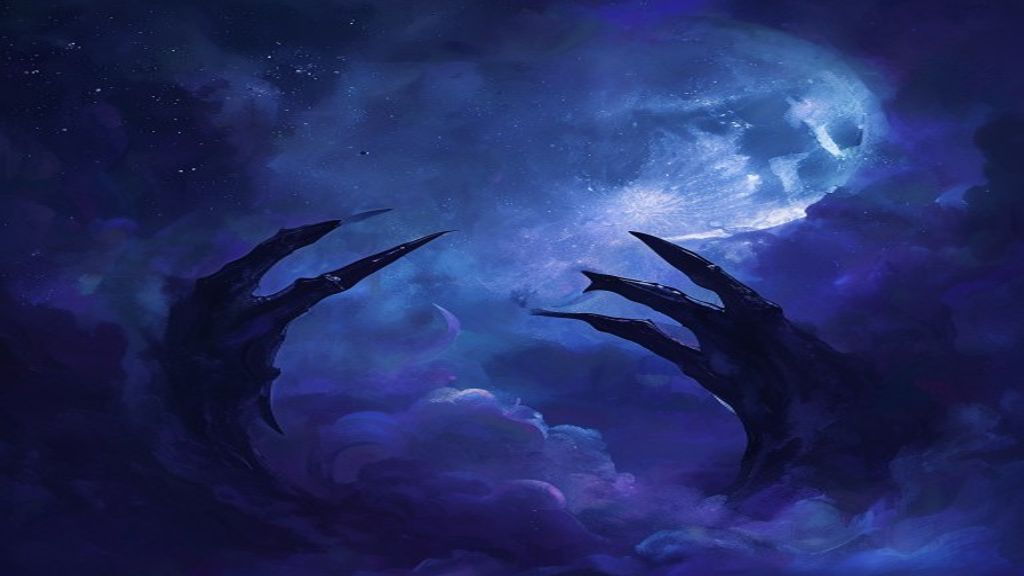
You reach for something in the dream, and your hand isn’t your hand. The fingers end differently. Not alarmingly, just conclusively, the way a full stop ends a sentence. You have claws. And you can feel them, which is the part that sticks. Not visual. Felt. The specific sensation of something at the end of your fingers that could grip, scratch, hold, or tear, and you haven’t decided which yet.
Claws in a dream usually represent latent capacity, specifically the capacity to defend, to grip, to leave a mark. They’re not a signal that you’re dangerous. They’re more often a signal that you’ve been pretending you’re not capable of something you clearly are.
The grip question
What you do with the claws matters as much as having them. And in the typical version of the dream, you don’t do much of anything. You just have them. You stand there with these impossible hands and the dream doesn’t provide a target or a purpose, just the sensation of being differently equipped. I think the dream is demonstrating capability without demanding use. It’s showing you the tool, not handing you an assignment. Whether you’ve been holding yourself back from something, or whether life has been asking you to stay soft in situations that deserved a sharper response: the claws show up, and they wait. If you’ve also dreamed of teeth growing in, the body is asserting itself in both. Both ask the same question: what are you currently holding more gently than the situation warrants?
What the claws are for
This is where I’d push back against the instinct to read these dreams as violent. Claws in nature aren’t primarily weapons. They’re tools for purchase: gripping a branch, anchoring into bark, holding on when the wind is bad. The weapon use is secondary. The primary use is staying put. So with claws in a dream, the question to ask is: what are you trying to stay put in right now? What are you gripping that your regular hands can’t quite get purchase on? Sometimes it’s a relationship, sometimes a project, sometimes a sense of your own identity in a period when it keeps shifting. The claws aren’t for attack. They’re for not letting go.
The historical read
Short section, because the history here is thin. Artemidorus, in the Oneirocritica, held that the same dream means different things for different dreamers, depending on age, status and occupation, and claws are a good test of that: a soldier’s claws and a carer’s claws are not one dream. The older instinct, that claws on a human body mean acquiring something you didn’t have before, still has some life. I’d update it: not acquire. Recognize. Most people who have these dreams already had the capacity. The dream is the recognition event, not the acquisition.
When they’re not power
Domhoff’s continuity hypothesis would predict that claws appear when waking life contains situations requiring more force or self-assertion than the dreamer has used. That’s accurate often enough to be useful. But it doesn’t fully account for the version where the claws feel involuntary, monstrous, foreign to the self. That version is rarer and it’s reading differently. It usually connects to anger the dreamer hasn’t owned, capacity they find frightening in themselves, something they’ve been told is unwelcome. The claws aren’t a gift in that version. They’re the return of something that was buried. Usually something that needed to come back. If the dream repeats with that flavor, dreaming of aging is one near neighbor, a body changing whether you consent or not, and dreaming of blood everywhere is another, working with power and loss in the living body.
The sensation at the end of the fingers
The claws are felt, not just seen, and that is the detail worth returning to. The dream seems to insist on the physical register for a reason: this isn’t a metaphor you’re watching from the outside. You’re inside the body that has this capability. You can’t observe your way through this one. It’s hard to know what to make of dreams where the sensation is so physical it lingers, where you might rub your fingertips for the first few minutes after waking. There may be something in somatic memory and dream embodiment, but it is half-formed and I won’t dress it up. What I can say is that it’s the detail that sticks.
- Were the claws a surprise, or did they feel like they’d always been there?
- What were you trying to hold, protect, or not let go of in the dream?
- Did you use them, and if not, why not?
- Is there something in waking life you’ve been handling more gently than it deserves?
Quick answers
What does it mean to dream of having claws?
It usually means latent capability: the capacity to defend, grip, hold on, or leave a mark. Claws in nature are primarily for purchase, not attack, so the dream is often asking what you’re trying to stay grounded in, rather than what you want to hurt.
Is dreaming of claws a sign of anger?
Sometimes, but less often than people assume. The anger version tends to feature claws that feel involuntary or monstrous. When the claws feel natural or even welcome, the dream is more likely about self-assertion or recognizing capacity than about suppressed rage.
Why do I dream of having claws when I’m usually gentle?
That’s actually the most common profile for this dream. The people who most often dream of claws are those who’ve been consistently soft in situations that called for more directness. The dream is noting the gap.
What if the claws in my dream are broken or fall off?
That version speaks to a period where your capacity to defend or hold on felt compromised, either by exhaustion, external pressure, or being worn down. The dream is acknowledging the depletion, not predicting more of it.
Sources for this reading
- Domhoff, G. W. (2003). The Scientific Study of Dreams: Neural Networks, Cognitive Development, and Content Analysis. American Psychological Association.
- Domhoff, G. W. (1996). Finding Meaning in Dreams: A Quantitative Approach. Plenum Press.
- Artemidorus of Daldis (2nd century CE). Oneirocritica. English edition: Harris-McCoy, D. E. (2012). Artemidorus’ Oneirocritica: Text, Translation, and Commentary. Oxford University Press.
Full bibliography on Sources and method. Found a mistake? Tell us and see the corrections log.