Spiritual Dreams
Dreaming of an Elf: the small figure with disproportionate weight
When I was eight, the house across the street had a garden gnome that had been left out for so long its paint had gone chalky. It stood slightly tilted in the flower bed, watching the road. I don’t know why it unnerved me, but I wouldn’t look directly at it after dark. I’d forgotten about that gnome entirely until someone described a dream to me in which a small figure at the edge of the room watched them with total stillness and absolute attention. Same exact quality of unease. Decades later.
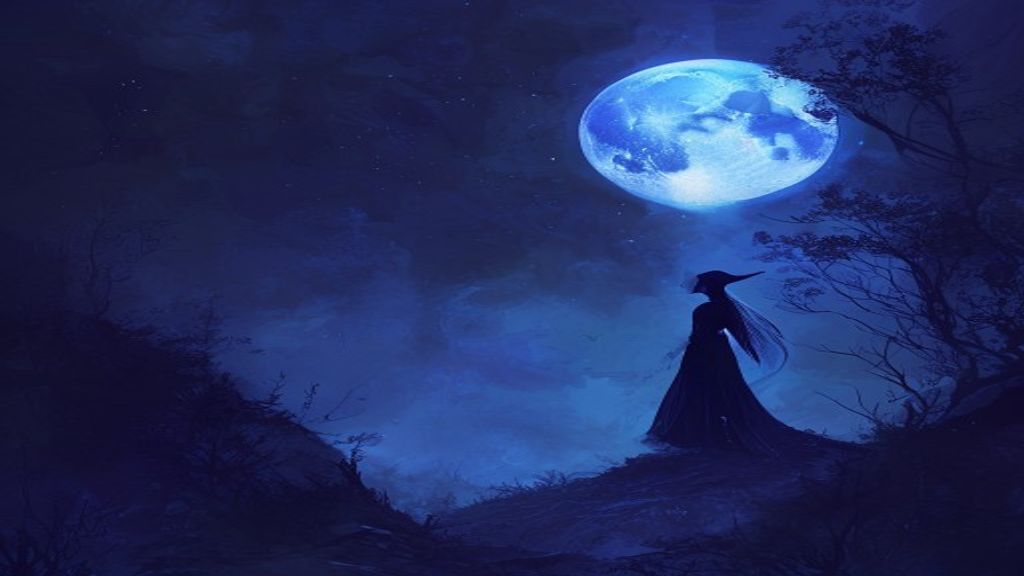
Elves in dreams seem to carry that quality almost by design: small, deliberate, watching. They’re not threatening in the way a monster is threatening. They operate in a different register, somewhere between mischief and knowledge, and that ambiguity is probably why the dreaming mind reaches for them when something in your life doesn’t fit the usual categories.
An elf in a dream usually represents something outside the normal rules of your world: playfulness that the adult version of you has suppressed, an instinct that doesn’t obey logic, or a perspective so outside your frame that it unnerves you. The elf’s behavior in the dream matters more than its appearance.
What the figure actually comes loaded with
The word ‘elf’ is doing a lot of heavy lifting before you even start interpreting the dream, because what it means has shifted so completely across centuries that the figure you dreamed might be pulling from three or four different cultural associations at once. That’s not a complication, it’s actually useful information. What kind of elf did you dream?
Not the fantasy-novel variety, necessarily. Maybe something more like a household spirit: present, watchful, not fully explainable. Maybe something closer to the old folklore, in which elves were ambivalent rather than benevolent, capable of causing illness or mischief or simply existing in the liminal space between what can be explained and what can’t. Your nervous system already knows which tradition it was working from. The feeling in the dream is the clue.
- Old Norse / Germanic tradition
Elves (álfar) were ambivalent nature spirits associated with fertility, illness, and the land. They could help or harm. Dreaming of them was taken seriously as possible supernatural contact or warning. The ‘elf-shot’ concept attributed unexplained pain or sickness to elfin interference.
- Medieval English tradition
Elves became associated with night disturbance and sleep paralysis. ‘Mare’ and elf were often conflated. If you dreamed of an elf and woke feeling pressed or unnerved, medieval interpreters would have read that as a literal nocturnal visitation, not a symbol.
- Artemidorus and the ancient world
Artemidorus, writing in the 2nd century, didn’t use the word elf, but catalogued hybrid and supernatural dream figures by what they did to the dreamer. A figure that watched without acting he’d interpret through the dreamer’s relationship to unseen forces in their life. The behavior was always primary.
- Romantic era and folk revival
Elves were reclaimed as nature spirits connected to creativity and the unconscious. Artists and poets treated elf dreams as contact with the imaginative self, the part that knew things the rational mind refused to.
- Modern popular culture
The fantasy-novel elf, wise and slightly distant, now competes with the helpful Christmas variant. Neither quite captures what the dreaming mind usually produces, which tends to feel older and stranger than either. Pop culture images are available but the dream often reaches past them.
The behavior is the whole message
Hartmann’s framework for central dream images applies cleanly here: the figure is carrying an emotional charge, and the charge is specific to what the figure does. An elf that helps you, guides you, solves a problem you couldn’t: that’s your own resourcefulness personified in a form that feels outside the normal self. The small size is deliberate. It’s not your ego presenting a solution. It’s something more instinctive, quicker, operating beneath the register of deliberate thought.
An elf that watches without speaking is different. Stillness in a small figure is one of the most reliably unnerving dream images, and it tends to show up when you’re aware that something in your periphery knows something you don’t. A decision you haven’t made. An instinct you keep overriding. The figure doesn’t tell you anything. It just stays visible, which is already saying something.
Mischievous or disruptive elves, the kind that move things or interfere with your dream-tasks, usually point at the part of you that’s tired of operating within the rules you’ve set. There’s something anarchic in you that doesn’t buy the structure you’ve built. It’s not malevolent. It’s just done taking the architecture seriously.
What Domhoff would make of this
Domhoff would be unromantic about the elf entirely, and he’d probably be right. The continuity hypothesis says the dream reflects what’s currently going on in your waking mental life, without ornament. So a dream about a small figure operating outside normal rules is, in continuity terms, a dream about whatever aspect of your waking life currently doesn’t fit the categories. The elf is a placeholder for the unclassifiable thing.
I don’t find that reading reductive. I find it clarifying. Because it redirects attention from the figure itself to the relevant question: what in my life right now doesn’t fit the box I’ve been trying to put it in? The elf is just the mind’s way of giving that something a small, watching, quietly persistent form.
If the elf in your dream felt less mischievous and more genuinely otherworldly, you might find dreaming of a past life relevant, since both share that quality of contact with something that doesn’t belong to ordinary time. And dreams about elves and about dreaming of a goblin are close enough in flavor that comparing them is worth doing: the goblin tends to be more interested in taking something, while the elf watches.
The part no one mentions
Elf dreams are often oddly pleasant, even when they’re strange. People describe them with a slight smile. That quality of lightness, of encountering something genuinely not-quite-real without the horror register, might be what the dream is actually offering: a break from the weight of things that make normal sense. If your waking life has been extremely effortful and rule-bound, a dream about a small creature that ignores rules entirely might just be your nervous system letting something breathe. Sometimes I think these dreams are simply the imagination insisting that it’s still there. Dreaming of the future shares something of this quality: both point forward, toward possibility, rather than back.
That garden gnome is probably still tilting in the flower bed of the house across from where I grew up. Or it isn’t, and the garden’s been redone entirely, and no one thinks about it at all. I’m honestly not sure which answer I prefer.
- What was the elf doing, specifically, and does that action mirror something in my waking life?
- Did the figure feel helpful, mischievous, or simply watchful, and which of those do I most need right now?
- Is there something in my life that currently doesn’t fit the categories I’ve been applying to it?
- What kind of elf was it, and does that tradition tell me anything about what I’m working through?
Quick answers
What does it mean to dream of an elf?
An elf in a dream usually represents something that operates outside your normal rules: instinct overriding logic, playfulness suppressed by adulthood, or a perspective so outside your usual frame that it can’t quite be incorporated. What the elf does in the dream matters more than what it looks like.
Is dreaming of an elf good or bad?
Neither straightforwardly. Helpful elves tend to be your own resourcefulness in a form that bypasses self-consciousness. Watching elves tend to represent something you’re not quite acknowledging. Mischievous elves often point to the part of you that’s restless within your own structures. None of these is a verdict; all of them are information.
Why did the elf in my dream just watch me without speaking?
Stillness in a small figure is one of the more persistent dream images, and it usually means something in your peripheral awareness knows something you haven’t consciously processed yet. The elf doesn’t need to explain. It just makes itself visible. That visibility is the whole message.
What does it mean if the elf helped me in a dream?
Probably that you solved something, or that the solution is available, through means that feel intuitive rather than deliberate. The small, slightly magical helper is often the mind’s way of flagging that the rational approach isn’t the only one. The elf did what your careful, rule-following self wouldn’t let itself do.