- Tradition
- Psychological readingPeople dreams
- Also read in
- The BibleSame symbol, other tradition
- Draws on
- Domhoff, Cartwright, Hartmann
- Reviewed
- 5 min read
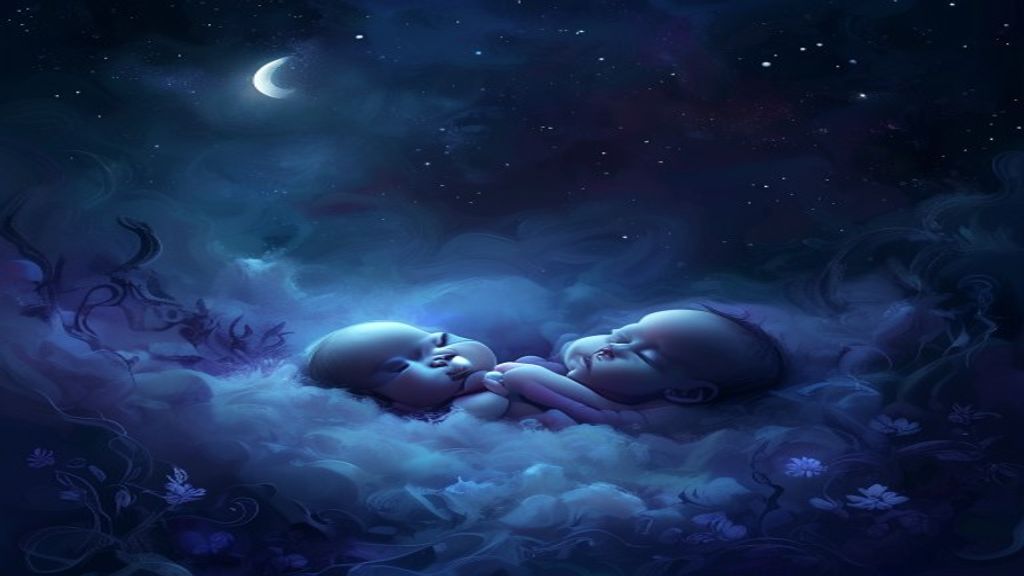
A baby in a dream is often read as a sign of pregnancy, or of a wish for a child. Sometimes that is the right reading. More often the baby is carrying something else, and what it leaves behind on waking is the clue: the phantom weight of something precious and not quite yours to keep, small and heavy for its size, something you keep checking is still there and still intact.
A baby in a dream usually represents something new and vulnerable in your life, an idea, a project, a changed version of yourself, that needs attention and can’t be put down. The emotional tone tells you whether you’re welcoming it or overwhelmed by it.
The weight you can’t set down
The dream baby is remarkably consistent: not always a newborn, not always theirs, but always something that creates immediate, unignorable responsibility. You’re holding it or you’re looking for it or you’ve somehow forgotten it in another room, and the alarm you feel is entirely disproportionate to any calm reading of the situation. That alarm is the whole point.
What’s demanding that level of care in your waking life right now? A new job in its first fragile weeks. A creative project you haven’t told anyone about yet. A relationship you’ve just decided to take seriously, not quite sure it can survive the open air. Dream babies don’t usually announce themselves as metaphors. They just arrive with all that weight, and you wake up feeling like you’ve been responsible for something real.
Your baby
The baby is yours in the dream, and you know it. This version tends to be about something you’ve already started, or a decision you’ve made. The question is how you feel holding it: tender and capable, or terrified and undertrained.
Someone else’s baby
You’re handed a baby that belongs to somebody else, or you find one alone. This usually points to a responsibility that landed on you from outside your own plans: a project inherited, a family role you didn’t ask for, a situation that became yours without ceremony.
When the baby is lost or forgotten
The most distressing version, and one that tends to feel shameful, is the one where you put the baby down somewhere and can’t find it. You’ve left it in a store, in a car, in a room you can’t locate. The panic is overwhelming and entirely specific: it’s not the fear of danger so much as the horror of having been careless with something that needed you.
Rosalind Cartwright’s work on dreaming and mood regulation points the same way: dreams work over the emotional material we haven’t processed in daylight, and this particular anxiety fits that pattern. The forgotten baby is almost always about something real that has been neglected: a creative practice you’ve let lapse, a friendship on quiet life support, a part of yourself you keep meaning to return to. The dream doesn’t let you stay busy enough to avoid the feeling.
It’s worth noting what the dream is not doing: it isn’t accusing you. It’s surfacing something. There’s a meaningful difference, and writing the dream down makes it easier to hear.
Gender, appearance, the details that feel significant
The baby’s sex, its face, whether it’s healthy or unwell: dreamers want these to mean something specific, and the impulse is understandable. But they rarely do. What matters far more is whether the baby is thriving or struggling, whether you feel equal to caring for it, and whether anyone else in the dream helps or disappears. A sick baby in a dream isn’t a bad omen about someone real. It’s a signal that whatever the baby represents in your waking life is fragile right now and might need more than you’ve been giving it.
The oldest readings
This particular dream image has a long paper trail. Artemidorus, writing in the second century, held that the same dream means different things for different dreamers depending on age, status and occupation, and a baby dream is a good test of that: the same image reads differently for someone starting a business and someone starting a family. The templates change. The underlying situation, something new that requires you to show up differently, doesn’t.
When it’s about an actual baby
Sometimes the dream is literal. If you’re pregnant, trying to conceive, newly postpartum, or living close to someone who is, the baby in the dream may simply be that baby, carrying all the real worry and love and ambivalence that goes with it. Domhoff’s continuity hypothesis is blunt about this: your dreams tend to mirror what’s actually going on. If a literal baby is the most important thing in your life right now, of course your sleeping mind goes there. It would be strange if it didn’t.
Even then, though, the emotional texture is worth paying attention to. Dreaming of your own unborn child with joy and dreaming of them with dread aren’t the same dream, even if the surface content is identical. You already know which feelings are unspoken. The dream’s just making sure you can’t entirely skip them. If the literal case applies, dreaming of being pregnant goes into what is actually growing in those dreams, and dreaming of an unknown child looks at the version where the baby belongs to nobody you know.
Ernest Hartmann argued that dreams put emotion into a central image, a container that holds the feeling. A baby fits that description well. Whatever is new and requiring and slightly terrifying in your life right now needs a body, and this is one it can take.
Holding something small and carefully made has its own kind of steadiness. That might be the other thing the dream’s offering, if you’re not running from it: the chance to notice what you’re already, quietly, carrying.
- What’s new in my life right now that feels that weight-in-the-hands, can’t-put-it-down important?
- Was I holding the baby or searching for it? That difference is almost the whole story.
- Did the responsibility feel mine, or like something handed to me without my consent?
- If the baby was struggling, what in my waking life is fragile and quietly undersupported right now?
One symbol, two traditions
Psychology keeps baby inside your own story, a symbol your mind built from your days. The biblical tradition looks outward instead, and asks whether Scripture gives the image any voice at all.
A baby in a dream usually represents something new and vulnerable in your life, an idea, a project, a changed version of yourself, that needs attention and can’t be put down. The emotional tone tells you whether you’re welcoming…
You are reading this oneBabies in Scripture carry several distinct meanings: innocence and receptivity (the child who receives the kingdom in Mark 10), miraculous arrival (Isaac, John the Baptist, Jesus), and vulnerability that God chooses to honor. No…
Read the biblical meaning →Quick answers
What does dreaming of a baby mean?
Usually it points to something new and vulnerable in your life: a project, a relationship, an emerging version of yourself. The baby’s state and your emotional response tell you more than its appearance does.
Is dreaming of a baby a sign of pregnancy?
It can be, especially if pregnancy is already on your mind. But most of the time it’s metaphorical, representing something new you’re responsible for rather than a literal prediction. Context and feeling matter more than the image itself.
Why do I dream I forgot a baby?
This is one of the most common and most distressing versions. It usually signals that something important to you, a creative practice, a relationship, a commitment, has been neglected. The dream is surfacing the anxiety, not accusing you.
What does it mean to hold a baby in a dream?
Holding a baby in a dream tends to mean you’re actively carrying a new responsibility or idea. Whether it feels comfortable or overwhelming in the dream is the part worth paying attention to, because that feeling mirrors how you’re actually relating to whatever is new in your waking life.
Sources for this reading
- Domhoff, G. W. (2003). The Scientific Study of Dreams: Neural Networks, Cognitive Development, and Content Analysis. American Psychological Association.
- Domhoff, G. W. (1996). Finding Meaning in Dreams: A Quantitative Approach. Plenum Press.
- Cartwright, R. D. (2010). The Twenty-four Hour Mind: The Role of Sleep and Dreaming in Our Emotional Lives. Oxford University Press.
- Hartmann, E. (1998). Dreams and Nightmares: The New Theory on the Origin and Meaning of Dreams. Plenum Trade.
- Artemidorus of Daldis (2nd century CE). Oneirocritica. English edition: Harris-McCoy, D. E. (2012). Artemidorus’ Oneirocritica: Text, Translation, and Commentary. Oxford University Press.
Full bibliography on Sources and method. Found a mistake? Tell us and see the corrections log.