Spiritual Dreams
Dreaming of a Goblin: What That Menacing Little Figure Wants
My phone screen cracked at 3am once, dropped on tile, and the way it lit up the room when I picked it up: a web of fracture lines, still fully functional, slightly wrong. I thought about that crack for days. Not because of the cost. Because the phone kept working and I kept looking at the damage, half expecting it to spread. That’s a goblin dream, I realize now. Not the phone. The looking.
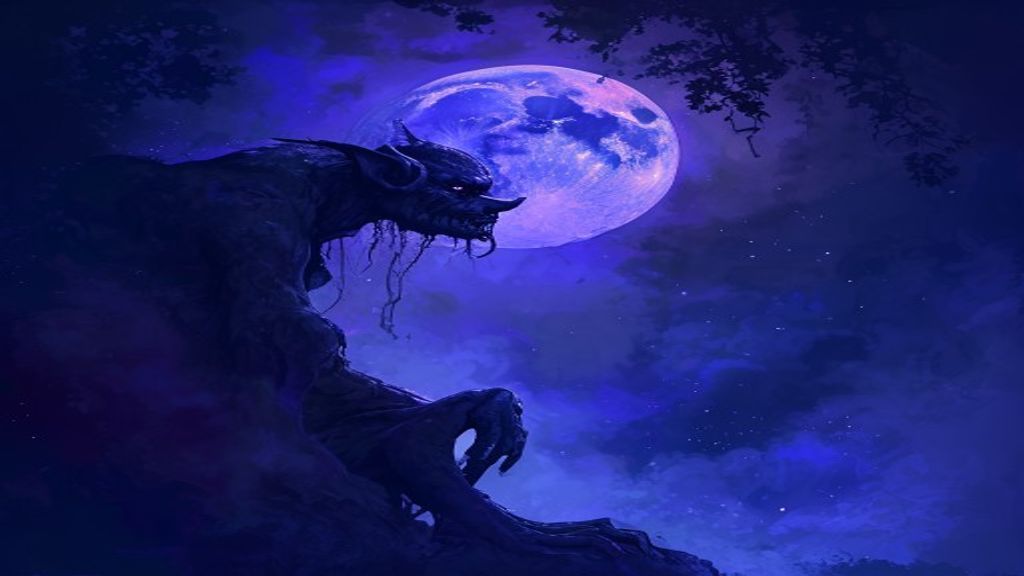
The goblin shows up in a lot of people’s dreams and almost nobody wants to talk about it, maybe because it sounds ridiculous. A small creature, usually ugly, usually smirking, sometimes causing minor chaos, sometimes just watching from a corner. It doesn’t eat you. It doesn’t chase you. It’s there, and it’s got that expression, and you can’t shake it after you wake up.
A goblin in a dream tends to represent a part of your own mind that operates outside your normal rules: the impulse that made a cutting remark, the pettiness you’re slightly ashamed of, the cleverness that tips into cunning. Most people are disturbed by goblins because they half-recognize them.
Why the goblin looks the way it does
Folklore gave us the goblin as a small thing with disproportionate power to cause trouble. A creature that doesn’t operate by your rules, doesn’t care about your schedule, and finds something privately amusing about the whole situation. What dream psychology has noticed, again and again, is that figures like this almost never represent something external. They’re internal. They’re you, or some piece of you that got compressed into a shape your waking mind can look at without flinching.
Ernest Hartmann’s research into the way emotion becomes a central image in dreams is useful here. The goblin is almost never a goblin because you read a fantasy novel. It’s a goblin because the feeling underneath needed something small, knowing, and slightly malevolent to wear. Fear in a dream might become a wolf. The more complex mix of guilt, cleverness, and low-level resentment? That’s goblin-shaped.
The goblin is threatening you
This version is about external pressure that feels petty and relentless, something in your life that niggles rather than looms. A conflict you can’t fully name. The dream makes it small so you can see it. It’s irritating precisely because it never quite crosses a line you can point to.
The goblin is amused by you
This is the harder version to sit with. A goblin that watches and grins is showing you something about your own internal critic: the voice that enjoys your failures a little too much, or the part of you that knew something was a bad idea and went along anyway. It knows things about you. That’s why it’s smiling.
The trickster who predates Tolkien by two thousand years
Artemidorus, writing his Oneirocritica in the second century, catalogued small mischievous figures in dreams across the ancient world and consistently linked them to deception, either suffered or committed. I find this more persuasive than it should be. The specific creature changes by culture but the psychological territory is remarkably stable: trickster energy in a dream points to places where you’re either being played, or where you’re playing yourself.
Domhoff would probably push back on all of this and say the goblin is just a goblin because you’ve been watching too much of something, and the continuity hypothesis is correct that dreams often just reflect what we’ve been feeding our attention. He’d have a point for some people. But the dreams that stick with you, that follow you into the morning commute, those tend to carry more freight than leftover media. And goblin dreams stick.
What it’s specifically doing in the dream
The goblin’s behavior in your dream is the whole message. A goblin destroying things is about impulses that feel outside your control: spending money you don’t have, saying things that can’t be unsaid, the particular pleasure-guilt of minor sabotage. A goblin stealing something is about energy, creativity, or a relationship where something is slowly being taken in a way that’s hard to name at the breakfast table.
A goblin just sitting there, watching, is the one that takes the longest to shake. Because you wake up feeling observed. And the observer is made of you. If you’ve ever had a dream with a hidden message that felt like it was meant for you, this is related territory: the dream is trying to get something through, and it’s picked the least comfortable messenger possible.
The part people don’t want to admit
Here’s what’s uncomfortable: in goblin dreams, you’re usually not the victim. Or not only the victim. Most people who describe these to me in any detail eventually admit the goblin was doing something they’ve thought about doing. Acting on a petty impulse they’ve suppressed. Being clever in a mean way. Refusing to be dignified. The goblin is having the reaction you didn’t let yourself have, and part of you admires it.
Dreams about death tend to feel significant in a way people respect. The goblin dream gets dismissed as weird. But I think it’s often more honest. Death dreams wrap the uncomfortable thing in grandeur. The goblin just shows up with the same expression your own face makes when someone you don’t like makes a mistake.
Back to the cracked screen
The crack in my phone that I kept looking at. The thing that still worked but looked wrong. That low-level wrongness that you keep checking, keep pressing to see if it’ll spread: that’s the feeling a goblin dream leaves behind. Not terror. Not mystery. Just a small, persistent awareness that something in you isn’t behaving.
If you’re having recurring goblin dreams, the honest question isn’t what the goblin represents. It’s what it was doing, and whether you’d secretly like to do the same. That’s a harder conversation to have with yourself than the dream is. Probably why the dream showed up first. Dreams about the afterlife get taken seriously immediately. The goblin earns its meaning more quietly.
I still have that phone, cracked screen and all. Never got it fixed. I’m not sure what that says about me.
- What was the goblin actually doing, and is that something you’ve wanted to do?
- Did it feel like a threat from outside, or did it feel like something familiar?
- Was there something in your life right now that’s small, persistent, and won’t quite go away?
- Did you feel observed by it, and if so, does that feeling point anywhere?
Quick answers
What does it mean to dream of a goblin?
Goblins in dreams tend to represent a part of your own psychology operating outside your usual rules: impulses you’ve suppressed, low-level resentments, or the part of you that’s cleverer than it is kind. They’re disturbing partly because they feel recognizable.
Is dreaming of a goblin a bad omen?
Folklore traditions, including ancient Mediterranean dream interpretation, often linked small mischievous figures to deception, either something you’re experiencing or something you’ve been complicit in. In a psychological reading, it’s less about omen and more about honesty: the dream is showing you something you’d rather not look at directly.
What does it mean when the goblin is chasing you?
Being chased by something small and fast tends to represent a problem you keep underestimating or postponing. The goblin’s size is part of the message: the threat feels minor, but it’s persistent, and your avoidance is giving it traction.
Why did my goblin dream feel almost funny?
Goblin dreams often do have a slightly absurdist quality, and that tonal mix of menace and dark comedy is part of how the dream works. If you woke up almost amused, your unconscious may be trying to take the edge off something genuinely uncomfortable. The humor is the wrapping, not the content.