Spiritual Dreams
Dreaming of an Archaeological Discovery: What You're Unearthing
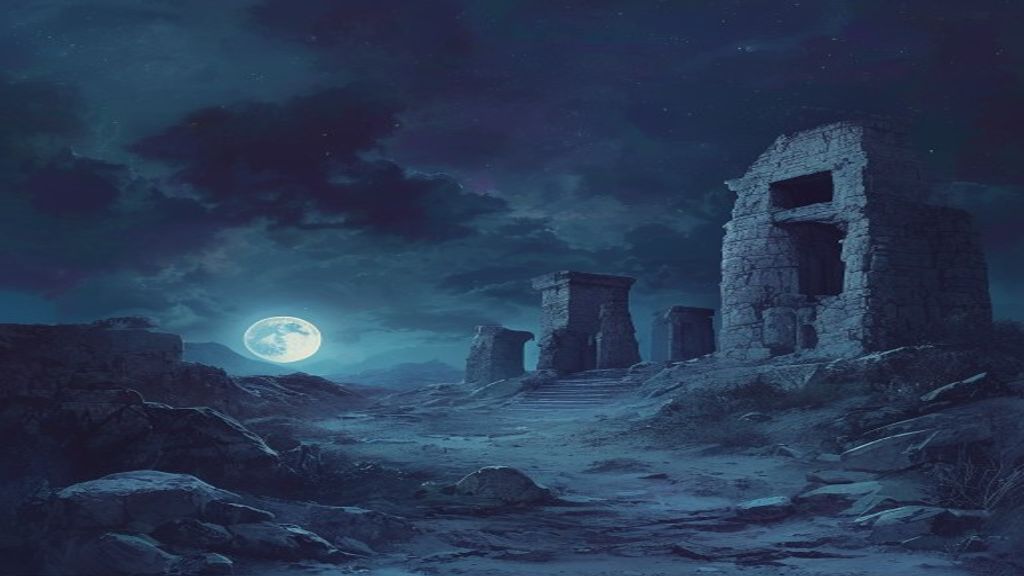
A brush, moving slowly across dry earth, uncovering something curved and dark. That image is the whole dream, sometimes. No grand reveal, no museum, no headline. Just the motion of careful removal, and the growing certainty that something real is underneath. Archaeological dreams have a specific quality of hush about them. The air in them is always dusty and still.
What makes them different from other discovery dreams is the patience they require. You’re not stumbling onto treasure, you’re working toward something methodically. The dream is built around process, not surprise. And in my experience interpreting them, that’s exactly the instruction being given: slow down, look carefully, something you need has been there for a long time already.
An archaeological discovery dream usually means your mind is ready to examine something it’s kept buried, a memory, a part of your history, an aspect of yourself that predates your current life. The find itself tells you what layer you’re working in. The act of excavating is the real event.
The earth as a filing system
Archaeology has always known what psychology rediscovered later: depth is time. The deeper you dig, the older the layer. When your dreaming mind reaches for an excavation metaphor, it’s usually because something from an older layer of your life is ready to be examined. Not necessarily something traumatic. Sometimes it’s just something you set down and covered over because you didn’t have time for it then.
Jung would have recognized this immediately. His concept of the unconscious as layered sediment, with the personal history in the upper strata and something much older underneath, maps almost literally onto the dream image of a dig site. I’m not always a faithful Jungian, but on this particular image I find his reading hard to improve on. You are the site. The dig is therapy, or memory, or simply attention paid to what got covered.
A detail worth noting: who else is at the dig? If you’re alone, the excavation is private, an internal archaeology you’re undertaking in secret or in isolation. If there’s a team around you, if you’re working alongside others or being watched by them, the dream is also about the context in which you do this kind of self-examination. Some people can only dig when no one’s looking.
What you find changes everything
G. W. Domhoff’s continuity hypothesis keeps showing up here in a useful way. He’d say, and he’d be right, that if you’re dreaming of excavation you’re almost certainly in a period of reflection or transition in waking life. The dream isn’t introducing the idea of excavation. It’s mirroring a process that’s already underway, probably unconsciously. You’ve been digging without knowing it. The dream just lets you see the site.
The find you didn’t expect
The most interesting versions of this dream are the ones where what gets found isn’t what the dreamer was looking for. You’re excavating what you thought was one thing, and the brush reveals something else entirely. A coin where you expected a wall. A child’s shoe in a soldier’s trench. These mismatches are the dream being honest about the gap between what you’ve told yourself and what’s actually there. The archaeological record doesn’t negotiate.
If the discovery disturbs you and you find yourself trying to rebury it in the dream, that’s important. The resistance is the message. Something was found that wasn’t ready to be found, or that you’re not yet ready to do something about. The buried thing doesn’t go away because you cover it again. It just waits for the next dig season.
These excavation dreams connect naturally to dreams about confronting what’s been hidden. If you’ve also been dreaming of being betrayed, that’s often the emotional surface of which an archaeology dream is the deeper layer. The betrayal is what you found. The dig is how you got there.
My own brush-across-earth dreams came in the years after a long relationship ended. Not nightmares, nothing dramatic. Just me, in a quiet dig site that kept shifting location, always finding fragments that were clearly significant and never quite identifiable. For a while I tried to catalog them. What does a broken tile mean, what does a sealed amphora mean? The catalog was beside the point. The dream was simply about the ongoing, incremental work of understanding something that had happened. When I stopped asking what I was finding and just let myself find it, the dig sites became quieter. Eventually they stopped.
The dreaming of missing an exam dream and the archaeological dream are almost opposites in temperament: one is frantic, the other is still. But they’re often in the same psychological neighborhood. Both are about something that needs to be met or reckoned with. The exam insists on urgency. The dig site offers a different kind of invitation. Also related in its own way is dreaming of an invasion, which tends to arise when external forces are disrupting exactly the kind of interior work an archaeological dream represents.
- What did you find, and was it what you expected to find?
- Were you alone or working with others? What does that feel like in waking life?
- How deep was the dig? Shallow layers are recent history. Older layers go earlier.
- Did you want to show someone what you found, or keep it to yourself? That impulse is part of the meaning.
Quick answers
What does it mean to dream of an archaeological discovery?
It usually means something from your own past, a memory, a buried version of yourself, a resolved or unresolved event, is ready to be examined. The excavation is the therapy. What you find tells you what layer of your history you’re currently working in.
Is an archaeological dream a positive sign?
Generally yes, even when what’s found is painful. The act of excavating suggests readiness. The dream doesn’t make you dig. It shows you that you’re already digging. That’s usually a good sign, even when the contents are difficult.
What does it mean if you find bones in an archaeological dream?
Bones in excavation dreams typically point to something that has fully ended. Not always with grief, sometimes with relief or simply acknowledgment. The dream is asking you to recognize a completed chapter rather than treat it as ongoing.
Why do I keep dreaming about digging or excavating?
Recurring excavation dreams usually mean the underlying examination process isn’t finished, which is normal. It takes time to work through what’s in a given layer. The dream returns not to alarm you but to accompany you while the work continues. When the thing being examined is truly acknowledged, the dream typically changes or stops.