- Tradition
- Psychological readingAnimal dreams
- Draws on
- Revonsuo, Artemidorus
- Reviewed
- 5 min read
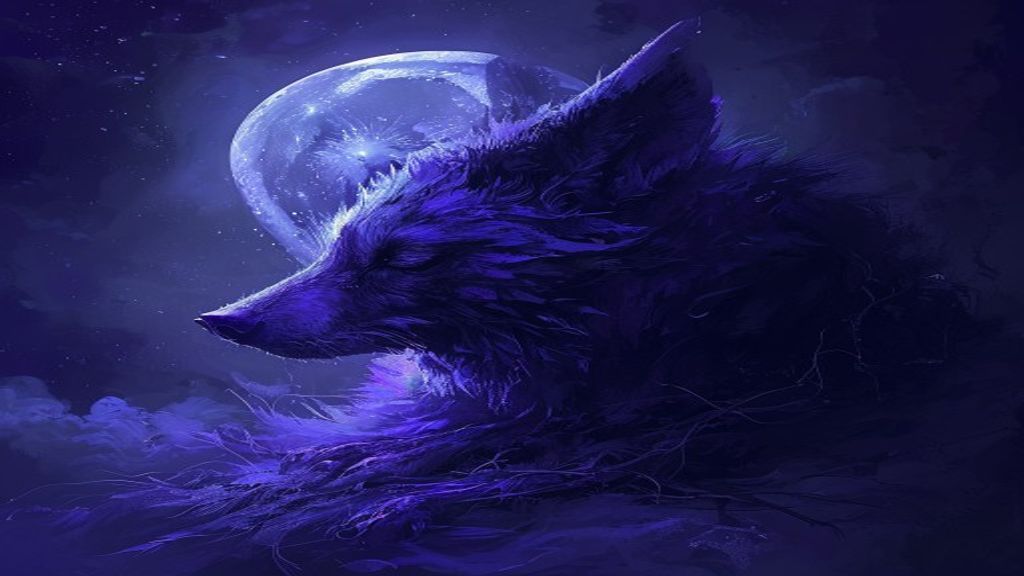
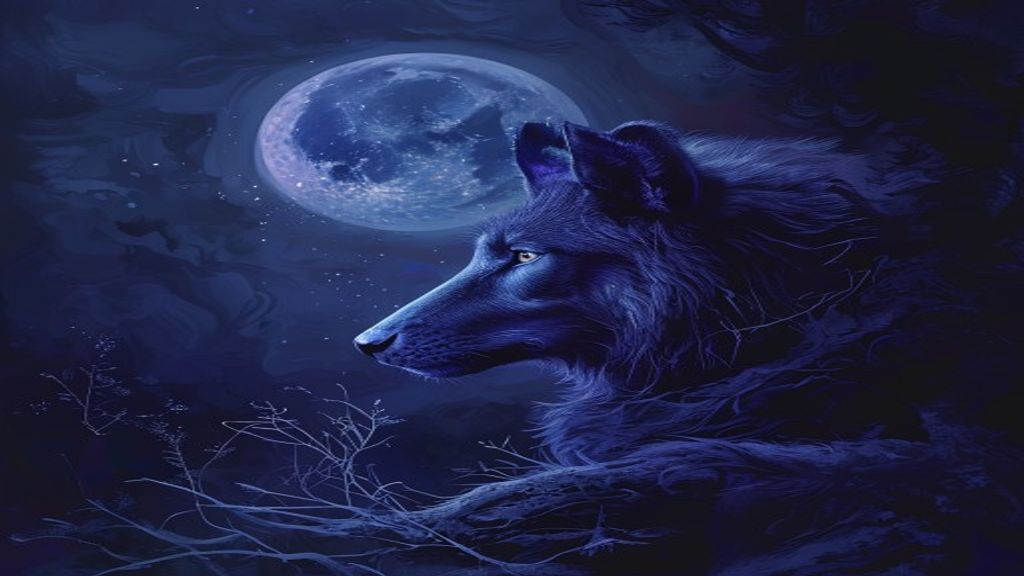
Is a tame wild animal in a dream good news or a warning? Neither, exactly. The animal isn’t threatening. It follows you, or sits near you, or does what you ask, and you’re aware the whole time of what it could do if it wanted to. A wolf that waits. A hawk on your wrist. A big cat that has decided, just for now, to be gentle. The wildness isn’t gone. It’s present and contained, and the dream holds both facts at once.
A tamed wild animal in a dream usually points to some form of power, instinct, or intensity that you’ve brought under conscious control, or that life has pressured you into controlling. The dream isn’t praising the leash or mourning the loss of it. It’s asking you to look at what you’re holding.
What ‘tamed’ actually means in a dream
The animal being tamed is always the part that matters most. A wolf that follows you is different from a crocodile that lets you scratch its head, and not just in terms of threat level. The wolf carries centuries of pack instinct, loyalty, wildness at the treeline. The crocodile is ancient, cold, patient, prehistoric in a way that makes you feel watched. Your mind chose a specific creature, and it chose it carefully. That specificity is the most important sentence in your dream.
Jungian psychology treats animals in dreams as the parts of us that predate language, the layers of psyche that operate on drive and reflex. A tamed one, on that reading, is a drive you’ve integrated rather than repressed. That’s a meaningful distinction. Repression means you’ve pushed something underground. Integration means it’s still there, still alive, but you’ve built a working relationship with it. The dream of the tamed animal often feels different from the dream of the caged one for exactly that reason: there’s no locked door. Just a trust that could break.
Pack instinct, loyalty, or social dominance brought into the domestic sphere. Often appears when you’ve found a way to channel competitiveness or leadership without it running the room.
Raw appetite, independence, or sexual energy that you’ve learned to live alongside. The cat being tame doesn’t mean it’s safe. It means it chose you, and you know it.
Clarity, vision, or ambition held on a short leash. The falconer image is ancient because it’s accurate: you can direct the bird, but the sky is still the sky.
Protectiveness, anger, or a kind of grief that can level things if it gets loose. Tamed bears in dreams often belong to people who’ve been quietly furious for a long time and haven’t burned anything down.
Instinct stripped of warmth, or transformation in its most unsettling form. A tame snake that you trust is among the stranger gifts a dream can hand you.
When the leash starts to matter more than the animal
Antti Revonsuo’s threat simulation theory would look at the tamed-animal dream differently, and I think he’d be partly right. His argument is that the dreaming mind rehearses danger, refines our responses to it. A wild animal that’s calm is almost harder to navigate than one that charges: you can’t just run. You have to stay, hold still, read the mood correctly. That kind of calibration is real training. The dream might not be a metaphor at all. It might just be your nervous system doing reps.
But this dream is rarely about an actual animal. More often the anxiety belongs to something being kept quiet. Anger is the likeliest candidate: an anger that’s been reliable, restrained, even useful, but that you’re not sure you can hold forever. Creative intensity fits almost as well. Grief too, actually, which can behave like a large animal in a small room if you don’t give it any air. The dream isn’t warning you that the creature will escape. It’s just asking: how long have you been doing this? And do you trust yourself to keep doing it?
Artemidorus, writing in the second century, held that the same dream means different things for different dreamers, depending on age, status and occupation. A tame wolf means one thing to a shepherd and another to a clerk. Either way, the thing that should have been against you is with you. That’s its own kind of power. For the other end of this, the versions where the animal is untamed or actively threatening, dreaming of a jaguar is the big cat nobody has tamed, and dreaming of a galloping horse is about directed versus runaway energy.
The moment it stops being tame
Worth noting: the animal in these dreams almost never attacks. It almost attacks. Or you feel, the entire time, that it could. That’s the emotional texture that makes the dream memorable: sustained alertness around something that isn’t threatening you. A constant low-level negotiation. If you wake up and the clearest thing you remember is your own effort to stay calm in its presence, that’s the dream’s real content.
Think of a house dog asleep in a patch of sun, paws twitching in small, urgent kicks. The house has the trained body, the dog that listens. But the thing that keeps running, the thing that only comes out when nobody is watching? That is probably the part he lives in most fully. It isn’t a sad thought. But it’s a complicated one. Which is exactly how these dreams tend to leave you, if they’re any good. You can also follow this further with dreaming of a vulture if your tamed animal dream has a darker valence, a sense that something patient is watching, rather than something loyal.
- Which animal was it, and what do you associate with that creature when you’re awake?
- Were you holding it, directing it, or just near it? That difference tells you how much agency you felt.
- Was the tameness a comfort or a tension? Did you trust it, or were you just holding very still?
- What in your waking life have you brought under control that still has a pulse?
Quick answers
What does it mean to dream of a tamed wild animal?
It usually points to a drive, emotion, or intensity you’ve brought under conscious control. The specific animal matters: its qualities in waking life are the qualities you’ve been domesticating in yourself. The dream isn’t judging whether that’s a good thing. It’s just noting that you’re doing it.
Is a tamed wild animal dream a positive sign?
Often, yes, in the sense that integration is healthier than repression. But if the dream felt effortful, if you were clearly working to keep the animal calm, it might be asking whether the control is costing you something. The dream can be both hopeful and honest at the same time.
What if the wild animal in my dream is friendly but still dangerous?
That’s the most common version, and the most accurate one. Something can be loyal to you and still be capable of real harm. The dream is holding both of those facts, and asking you to do the same, rather than pretending one cancels the other out.
Why do I keep dreaming of the same tamed animal?
Recurring tamed-animal dreams usually mean the underlying tension hasn’t been resolved. Either something you’ve controlled is asking for more expression, or you’re more tired of holding it than you’ve admitted. The dream repeats because the conversation isn’t finished.
Sources for this reading
- Revonsuo, A. (2000). The reinterpretation of dreams: An evolutionary hypothesis of the function of dreaming. Behavioral and Brain Sciences, 23(6), 877-901.DOI
- Artemidorus of Daldis (2nd century CE). Oneirocritica. English edition: Harris-McCoy, D. E. (2012). Artemidorus’ Oneirocritica: Text, Translation, and Commentary. Oxford University Press.
Full bibliography on Sources and method. Found a mistake? Tell us and see the corrections log.