- Tradition
- Biblical reading
- Also read as
- PsychologySame symbol, other tradition
- Scripture
- Leviticus, Deuteronomy, Isaiah, Jeremiah
- Reviewed
- 4 min read
An owl in a dream is usually taken to mean wisdom: it stares, it sees in the dark, so some hidden insight must be arriving. That reading comes from Greek tradition, not from the Bible, and it fails the moment you go looking for the verse. The owl you meet in Scripture lives in ruins, and what it signals is much quieter than insight.
An owl that stays in your thoughts after waking deserves a reading built from what the text says, not from what the bird stands for in other cultures. It’s worth knowing what Scripture does with the owl before building an interpretation.
What the Bible actually says about owls
Owls in Scripture appear in two contexts: the ritual purity lists (Leviticus 11, Deuteronomy 14, where various owl species are listed as unclean birds), and the desolation oracles. It’s the second category that’s theologically significant.
Isaiah 34:11-15 describes what God’s judgment leaves behind when a nation falls, and owls are there: among the creatures that inhabit what used to be a city. Isaiah 13:21, prophesying Babylon’s fall, says ‘owls shall dwell there.’ Jeremiah 50:39, same with Babylon. Micah 1:8 has the prophet crying out and ‘mourning as the owls.’ Psalm 102:6 uses the owl as an image of grief and solitude: ‘I am like a pelican of the wilderness: I am like an owl of the desert.’
| Passage | What it says |
|---|---|
| Isaiah 34:11-15 | Owls inhabit the ruins of judgment: they appear where human civilization has collapsed under God’s word. The owl marks desolation. |
| Psalm 102:6 | The psalmist in grief compares himself to an owl in the desert: alone, out of place, calling into silence. Lament language, not curse. |
| Isaiah 13:21 | Owls will dwell in fallen Babylon. The owl signals that what was great is now empty. |
| Jeremiah 50:39 | Same desolation prophecy over Babylon: owls signal the end of noise and power. Emptiness has moved in. |
| Micah 1:8 | The prophet himself mourns ‘as the owls’: the owl’s voice becomes an image of prophetic grief over what’s been lost or is about to fall. |
Here’s what Scripture does not do: it never uses the owl as a wisdom symbol. That’s Greek tradition (Athena’s owl) and Western cultural inheritance, not biblical. The Bible never calls the owl wise. The close-reading site that tells you an owl dream means God is giving you supernatural discernment is importing a Greek archetype into a Hebrew text. Interesting, but not scriptural.
Why desolation isn’t the same as doom
The desolation reading sounds harsh until you read it carefully. In Isaiah and Jeremiah, the owls arrive after judgment falls on pride and violence. They’re not the cause or even the symbol of the judgment; they’re what grows in the quiet afterward. Desolation in the biblical prophets is never the end of the story. Isaiah 35, right after the owl-inhabited ruins of Isaiah 34, describes an extraordinary reversal: the wilderness blossoming, the blind seeing, streams in the desert. The ruins get the owl; the restoration gets flowers. Both are in the same book, sometimes in the same chapter.
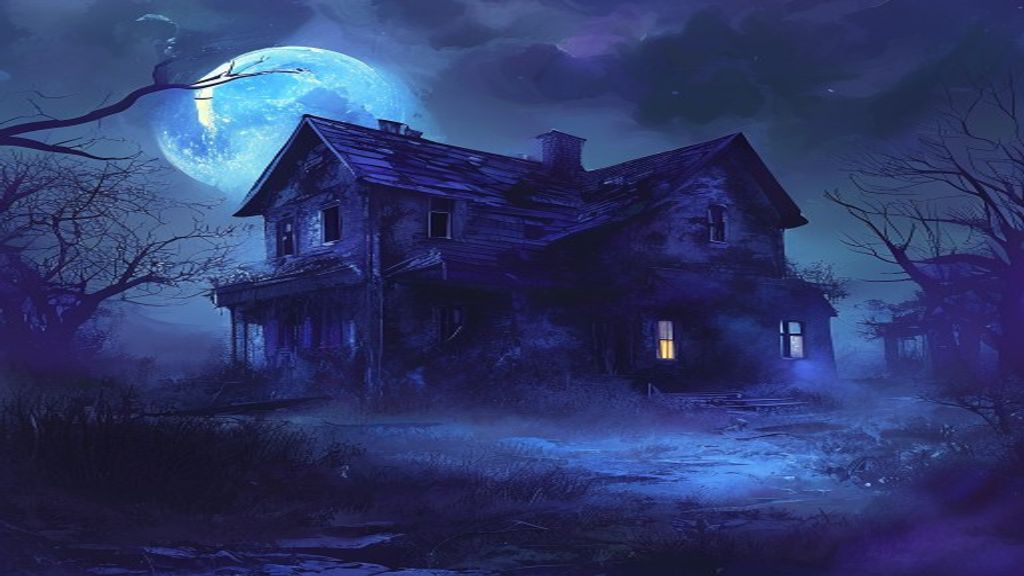
If an owl dream carries a quality of emptiness or ending, the honest biblical question isn’t ‘what am I about to lose?’ It’s closer to: is there something in my life that’s been running on noise and activity and is now going quiet? And if so, is that judgment, or preparation? The secular reading of owl dreams will give you the wisdom angle if that’s what you’re looking for. Isaiah’s owls live in ruins, so the biblical meaning of a ruined house in dreams is the natural companion: it follows the same pattern of desolation followed by restoration.
What Scripture never says about owls
No one in the Bible dreams of an owl. The owl is a background presence in prophetic poetry, not a dream-image in the personal accounts. We’re working from symbol-transfer here: what does this creature mean in the places Scripture does use it? The answer is: solitude, mourning, and the silence that follows a significant ending. That’s worth something. It’s also worth knowing that within the tradition, readings vary, and the owl as an omen of personal harm is not what the text says. The owl inhabits ruins. It doesn’t create them. The same goes for an abandoned house in dreams, where the prophets treat an emptied place first as judgment or neglect and then as ground to be rebuilt.
If the owl in your dream did nothing at all, that may be its whole message: not a prediction, not a warning, just attention to a silence that’s been accumulating. That is worth sitting with, even if it doesn’t come with a verse.
- Is there an area of your life that’s been going unusually quiet? Are you treating that silence as failure, or giving it room to be something else?
- The psalmist in Psalm 102 uses the owl as a picture of grief without shame: the lament is the prayer. Is there a sorrow you’ve been carrying that you haven’t actually brought before God honestly?
- The biblical owl appears in ruins after something great has fallen. Is there something in your life that’s ended or collapsed that you haven’t fully mourned, or haven’t yet seen clearly?
- Isaiah 35 follows Isaiah 34’s desolation with extraordinary restoration. If the quiet in your life is a ‘chapter 34’ moment, what might a ‘chapter 35’ beginning look like?
One symbol, two traditions
A psychologist asks what owl felt like and what it echoes in your week. The biblical reader asks a different question entirely: what does Scripture say when this image appears, and what does it stay silent about?
An owl in a dream usually represents knowledge or judgment that’s already present but hasn’t been fully acknowledged. Unlike birds that signal movement or escape, owls in dreams are typically still and watchful, pointing at…
Read the psychological meaning →No. That association comes from Greek tradition (the owl as Athena’s symbol), not Scripture. The Bible never uses the owl as a wisdom symbol. Its appearances in the Hebrew text are almost entirely in desolation contexts: ruins…
You are reading this oneQuick answers
Is an owl dream a message from God?
Joel 2:28 affirms that God can speak through dreams, and the church has taken dream-promptings seriously throughout its history. But Ecclesiastes 5:7 cautions against over-reading all dreams as divine messages, and Jeremiah 23:25-28 specifically warns about mistaking vivid dream-impressions for God’s word. An owl dream that stays with you and connects to something real in your waking life deserves prayerful attention. The biblical owl-imagery of solitude and silence might be worth holding against your current season. Bring it to prayer and, if it’s significant, to a trusted spiritual guide.
Does an owl in a dream mean wisdom in the Bible?
No. That association comes from Greek tradition (the owl as Athena’s symbol), not Scripture. The Bible never uses the owl as a wisdom symbol. Its appearances in the Hebrew text are almost entirely in desolation contexts: ruins, grief, and the quiet after judgment. If you’re looking for a biblical wisdom symbol in dreams, the tradition would more likely point toward the discernment passages in Proverbs or the ‘wise as serpents’ language of Matthew 10:16.
What does it mean if the owl in my dream was watching me?
The watching quality is the owl’s most consistent dreamlike attribute, and it connects naturally to the Psalm 102 picture of solitary, attentive waiting. Biblically, the question worth sitting with is: is this dream asking me to pay attention to something I’ve been moving past too quickly? The owl watches while the world sleeps. It might be the part of your own awareness that knows something your daytime self has been too busy to look at.
Is an owl dream a bad omen?
Not in the biblical tradition’s core meaning. The owl inhabits desolation; it doesn’t cause it. The scriptural passages use the owl to mark something that has already happened, not to predict something coming. If the dream carries a fearful quality, it’s worth examining what the fear is actually about rather than treating the bird as the source of the message. Fear in dreams is data about your waking life, not a prophecy of harm.
Sources for this reading
- The Holy Bible, King James Version (1611). Public domain. Scripture quotations on this site are from the KJV.
Full bibliography on Sources and method. Found a mistake? Tell us and see the corrections log.