- Tradition
- Biblical reading
- Also read as
- PsychologySame symbol, other tradition
- Scripture
- Isaiah, Nehemiah, Proverbs, Luke
- Reviewed
- 4 min read
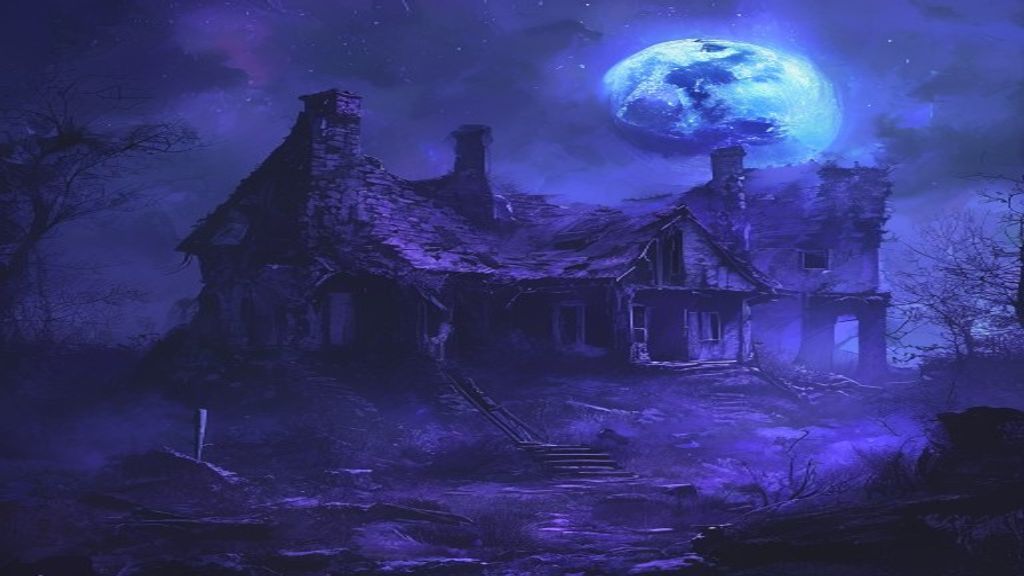
An image that shows up in vivid detail: a house you recognize, or a house that feels like yours without being your actual home, and it’s already fallen. Not in the process of falling. Already ruined. Overgrown, or gutted, or simply standing in a state of long abandonment. The collapse isn’t dramatic in this kind of dream. The ruin is quiet. It happened before you arrived.
That quality sets this apart from a house-on-fire dream or a collapsing-house dream. The ruined house is not a crisis in motion. It’s a crisis that’s already settled into itself. The question isn’t what to do in the moment; it’s what you’re looking at, and whether it can be changed.
What the Bible Actually Says About Ruined Houses and Desolation
Ruin is a serious theme in the Old Testament prophets, and it’s almost always tied to choices rather than to fate. The ruins of Israel’s cities in Isaiah and Jeremiah aren’t natural disasters. They’re the result of specific decisions: the pursuit of false gods, the exploitation of the poor, the neglect of covenant. Isaiah 5:8-9 condemns those who accumulate houses until there’s no one else left: the judgment is that those great houses will become desolate, without inhabitant.
Haggai is the prophet most directly about ruined versus well-kept houses. In Haggai 1:4-9, God confronts a people living in their own paneled houses while the temple lies waste. The ruins aren’t external; they’re the result of what was attended to and what wasn’t. And God’s response isn’t condemnation. It’s an instruction: ‘Go up to the mountain, and bring wood, and build the house; and I will take pleasure in it, and I will be glorified.’ The ruin can be addressed. That’s the central note.
Nehemiah’s journey to rebuild Jerusalem’s walls is the fullest narrative of ruin-becoming-restoration in the Hebrew Bible. He surveys the broken walls at night, says nothing at first, then gathers the people and says: ‘Come, and let us build up the wall of Jerusalem, that we be no more a reproach.’ The survey happens before the speech. The ruin is looked at honestly before the rebuilding begins.
- Isaiah 5:8-9
Houses accumulated through injustice will become desolate: ruin as consequence of misplaced investment
- Haggai 1:4-9
God rebukes neglect of what matters while personal comfort is maintained: the ruin is reversible, and God instructs rebuilding
- Nehemiah 2:12-17
Nehemiah surveys the ruins privately before speaking: the honest examination of what has fallen precedes the work of restoration
- Isaiah 58:12
Promise to the faithful: ‘thou shalt raise up the foundations of many generations; and thou shalt be called, The repairer of the breach’
- Proverbs 24:30-32
The vineyard of the lazy man is all thorns and nettles: ruin as the result of sustained inattention rather than a single catastrophe
Isaiah 58:12 is worth staying with. The word ‘repairer of the breach’ is one of the most striking phrases in the prophets. It describes someone who doesn’t just patch what’s broken but who restores foundational things. The ruin, in Isaiah’s vision, isn’t the end. It’s the beginning of a specific kind of calling.
Where Scripture Is Silent
No dream in the biblical record features a ruined house as its central image. What we’re doing is applying the prophets’ consistent use of ruined structures as a metaphor for spiritual and moral neglect, and applying that to a dream image. That’s honest application, not quotation. The tradition’s instinct is that a ruined house in a dream raises questions about long-term neglect rather than sudden crisis: what has been left to fall apart over time? What was once inhabited that’s now empty?
Within the tradition, readings vary. Some teachers emphasize the warning note: neglect has consequences, and the ruined house is a diagnostic of what you’ve failed to maintain. Others, especially those in the contemplative tradition, emphasize the restoration note: the ruin is not the last word. Nehemiah surveys the ruins in order to rebuild. The dream may be the survey, not the verdict.
That verse sits a few lines after the passage Jesus reads in Luke 4:18-19 when he announces his ministry, and the tradition has long heard the rebuilding of desolations as part of what he came to do. If a ruined house in your dream is pointing somewhere real, it may be less about the ruin itself and more about who has authority over what happens next.
For the secular companion to this reading, the psychological reading of a ruined house in dreams covers what this image typically carries in the emotional register. If the house in your dream was empty and left to rot rather than simply broken, the biblical meaning of an abandoned house in dreams leans harder on desolation and judgment. And if the walls were still coming down as you watched, the biblical meaning of a collapsing house in dreams covers the crisis in motion that this page deliberately sets aside.
- What in your life does the ruined house represent? Is it something that fell apart gradually through neglect, or something you arrived to find already in that state?
- Is there a Nehemiah moment available here: an honest survey of what has fallen before you decide whether and how to rebuild?
- What would it mean to be a ‘repairer of the breach’ in your own life, or in someone else’s? Is there a calling in the ruin that you haven’t seen yet?
- Is the ruin something that needs rebuilding, or something that needs releasing? Not all ruins are meant to be restored. Some are meant to be left behind.
One symbol, two traditions
A psychologist asks what ruined house felt like and what it echoes in your week. The biblical reader asks a different question entirely: what does Scripture say when this image appears, and what does it stay silent about?
A ruined house in a dream represents something you inhabited that’s no longer fully intact. It’s the dream’s shorthand for an ending that wasn’t clean: a relationship, a life chapter, an identity that still has its walls but lost…
Read the psychological meaning →Ruin in Scripture is almost always tied to choices and neglect rather than random misfortune. Haggai uses ruined structures as the image of misplaced priorities. Proverbs 24 uses a neglected vineyard to describe what sustained…
You are reading this oneQuick answers
What does a ruined house mean spiritually in the Bible?
Ruin in Scripture is almost always tied to choices and neglect rather than random misfortune. Haggai uses ruined structures as the image of misplaced priorities. Proverbs 24 uses a neglected vineyard to describe what sustained inattention produces. Isaiah 58 and 61 use ruins as the starting point for a calling: the repairer of the breach, the rebuilder of old wastes. The spiritual reading of a ruined house tends to ask what has been neglected and whether rebuilding is the appropriate response.
Is this dream a message from God?
Joel 2:28 affirms that God speaks through dreams, and the prophetic tradition is full of God using vivid imagery to get people’s attention about things they’ve been avoiding. Ecclesiastes 5:7 cautions that not every dream carries a message, and Jeremiah 23:25-28 warns against misidentifying personal anxiety as divine speech. If the ruined house resonates with a real situation in your waking life, bring it to prayer and honest self-examination. If it doesn’t attach to anything clear, hold it lightly and see whether the image develops meaning over time.
Does dreaming of a ruined house mean something is beyond repair?
The Bible consistently says the opposite. The prophets’ favorite use of ruin as a metaphor is in the context of restoration. Nehemiah rebuilds what seemed beyond repair. Isaiah 61 promises that ancient desolations will be rebuilt. Haggai tells the people that their neglected temple can still be built to glory. The dream may be a survey of what has fallen, but in the biblical frame the survey is the beginning, not the end. Whether something is worth rebuilding is a different question from whether it can be.
What if the ruined house in the dream was my childhood home?
Childhood homes in dreams often represent foundational layers of the self, the first structures of identity, belonging, and safety. A ruined childhood home doesn’t mean your foundation is irreparably broken. The prophets’ language of ‘raising up former desolations’ applies here: Isaiah 61:4 specifically mentions ‘the desolations of many generations.’ Some of what gets ruined goes back a long way. The tradition asks: is this something being shown to you so you can grieve it, examine it, or begin the work of restoration? All three are legitimate responses.
Sources for this reading
- The Holy Bible, King James Version (1611). Public domain. Scripture quotations on this site are from the KJV.
Full bibliography on Sources and method. Found a mistake? Tell us and see the corrections log.