- Tradition
- Psychological readingPeople dreams
- Draws on
- Domhoff, Cartwright, Hartmann
- Reviewed
- 5 min read
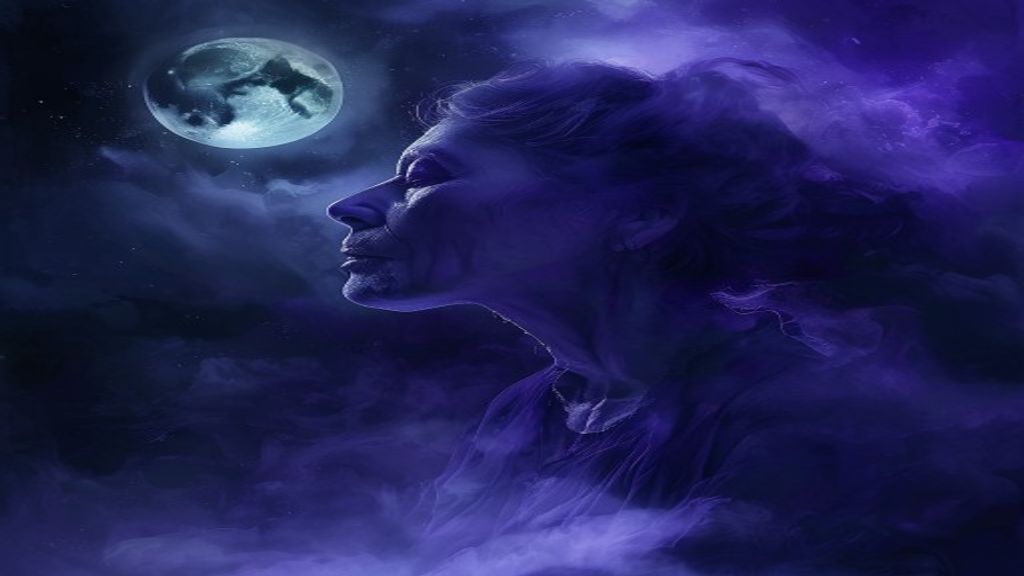
Artemidorus of Daldis, writing in the second century, held that the same dream means different things for different dreamers, depending on age, status and occupation. A grandmother tests that rule better than most figures. For one dreamer she is the person who held the family together; for another, the one who made everything harder. Either way, the dream has the texture of an old recipe card in a dead woman’s handwriting: something is reaching back, or you’re reaching forward, and neither of you is sure of the distance.
A grandmother in a dream usually carries the part of you that knows things it hasn’t said yet. Whether she’s warm, silent, or somehow wrong, she tends to surface when you need to consult something older and steadier than your current self. The feeling at waking matters more than anything she did in the dream.
What she’s doing in the dream matters more than that she’s there
She gives you something
Food, an object, a piece of advice, even just her hands. This is the gift dream, and it’s almost always about transmission: something she carried that you haven’t picked up yet, or something you were afraid you’d lost when she died. The object often isn’t literal. Pay attention to how it felt to hold it, not what it was.
She’s distant or doesn’t speak
She’s in the room but won’t look at you, or she’s speaking and you can’t make out the words. This one tends to arrive around decisions where you’re not sure what she’d have said. Which is really just another way of saying you’re not sure what you think. The silence is yours, not hers.
When she appears completely as herself, warm and specific, a detail many dreamers notice is waking up convinced she was actually there. There isn’t a clean psychological answer for that feeling. What I can say is that it doesn’t seem to matter whether she’s living or dead at the time of the dream. She arrives the same way either way, as a presence that carries a particular weight your other dream figures don’t. Other people in your dreams are often just people. She’s a category.
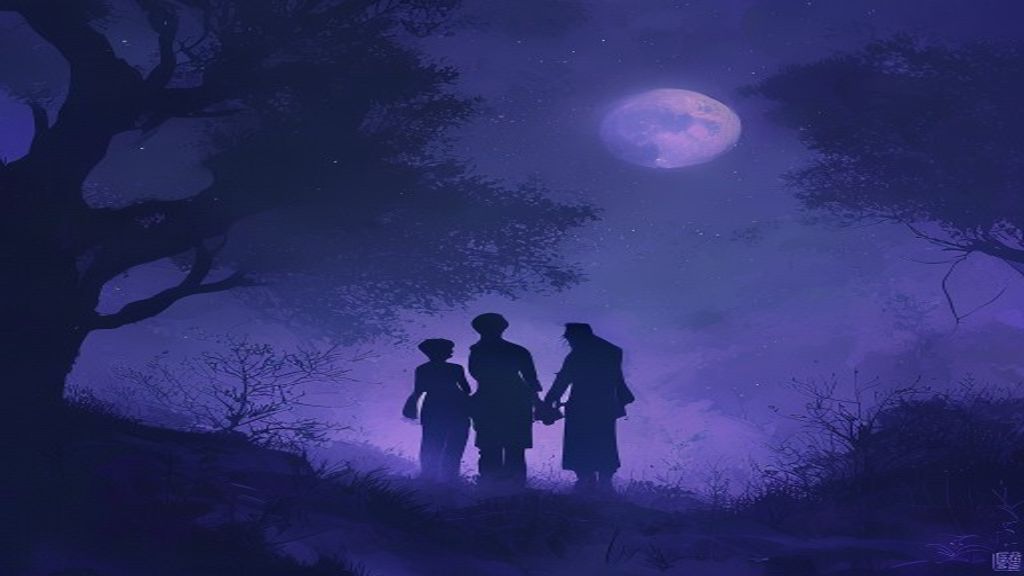
Part of that weight is what she represents in the family system. Not all grandmothers are warm. Some people dreaming of their grandmother are dreaming of the person who held the family together through its worst years. Others are dreaming of the person who made everything harder. The figure in the dream carries that history. If she’s never been uncomplicated in your waking life, she won’t be uncomplicated in the dream either, and that’s not a problem. That’s accurate.
The hard version: she appears sick, wrong, or angry
If your grandmother appears diminished or strange, the instinct is to read it as a bad omen or a guilt dream. It’s almost never either. More often it’s a dream about your own difficulty holding two versions of someone at once: the grandmother you knew at her fullest and the one diminished by illness or age or memory. You’re not being disloyal by dreaming it. You’re just finishing a grief your waking mind keeps interrupting.
Where this sits in the bigger picture of how we dream about people we’ve lost
Rosalind Cartwright’s work on dreaming and mood regulation, studied in people going through divorce, supports an idea that sounds obvious and isn’t: we tend to dream about loss until we’ve worked through it, and the dreaming is doing real work. I’m not saying grandmother dreams are grief rehearsals in any mechanical sense. But the pattern fits. The dream keeps returning until something shifts. If you’re dreaming of your grandmother often, and the visits feel unresolved, something is waiting to be acknowledged. That might be the same mechanism that brings a late partner back, or it might be closer to the way a lost pet resurfaces, a presence the mind keeps trying to make sense of.
Domhoff’s continuity hypothesis is worth knowing here too, even if it’s the less poetic of the two frameworks. His argument is essentially that dreams reflect our waking concerns with surprising faithfulness. Which means that if she’s appearing regularly, your waking mind is circling something she was part of, an unfinished conversation, a value you inherited and have complicated feelings about, an era of your life that centered around her kitchen or her house or her voice. You’re not being haunted. You’re being consistent.
If she died before you really knew her
This is its own category, and I find it quietly striking. Dreamers who never knew their grandmother, or barely did, can have some of the most vivid visitation dreams. The figure in the dream is assembled from photographs, family stories, inference. And yet she feels completely real and utterly herself. Ernest Hartmann’s work on how emotion finds a central image helps here. Your mind isn’t reconstructing a real person. It’s building a vessel for something you needed, and giving it the most authoritative face it could find.
Those dreams tend to carry a particular kind of longing that’s hard to name. Not grief exactly. More like missing something you were never fully given. If the dream left you with that feeling, it’s worth sitting with rather than interpreting away. A grandmother assembled from stories can take on the weight of a queen, authority without a personal history, which is the figure read in dreaming of a queen.
Cooking from an old recipe card can produce a dish that comes out wrong and also somehow right, and it is hard to know what to do with that feeling. Some consultations don’t arrive at a clean answer. I think that’s the honest ending for most grandmother dreams too.
- Was she the version of herself I know best, or some other version?
- Did she give me something, ask me something, or just exist in the room?
- Is there a decision I’ve been making without consulting something older and steadier?
- If she spoke, what was I most afraid she was going to say?
Quick answers
What does it mean to dream of your grandmother?
It usually means some part of you is consulting a source of deep familiarity or inherited wisdom. Whether she’s living or gone, she tends to appear when you need something older and more grounded than your current self can provide. The feeling you wake with tells you most of what you need to know.
Is dreaming of your deceased grandmother a visitation?
Many people experience it that way, and the vividness can be striking. Psychologically, it’s the mind bringing forward a significant attachment figure during periods of grief, decision, or transition. Whether that’s also something more is genuinely outside the scope of what I can tell you.
Why do I keep dreaming of my grandmother giving me advice?
Recurring advice dreams usually point to an ongoing question in your waking life that hasn’t resolved. Your mind is reaching for the authority it associates with her. The advice she gives tends to be something you already know and haven’t let yourself act on yet.
What does it mean if my grandmother looks different or wrong in a dream?
It’s rarely sinister. It often reflects your own difficulty holding two versions of someone: the person at their fullest and the person changed by time or illness. The dream is working through that complexity, not warning you of anything.
Sources for this reading
- Domhoff, G. W. (2003). The Scientific Study of Dreams: Neural Networks, Cognitive Development, and Content Analysis. American Psychological Association.
- Domhoff, G. W. (1996). Finding Meaning in Dreams: A Quantitative Approach. Plenum Press.
- Cartwright, R. D. (2010). The Twenty-four Hour Mind: The Role of Sleep and Dreaming in Our Emotional Lives. Oxford University Press.
- Hartmann, E. (1998). Dreams and Nightmares: The New Theory on the Origin and Meaning of Dreams. Plenum Trade.
- Artemidorus of Daldis (2nd century CE). Oneirocritica. English edition: Harris-McCoy, D. E. (2012). Artemidorus’ Oneirocritica: Text, Translation, and Commentary. Oxford University Press.
Full bibliography on Sources and method. Found a mistake? Tell us and see the corrections log.