Spiritual Dreams
Dreaming of Surviving in Nature: What the Wild Reveals
Wet socks. That’s what I keep coming back to. Not the bear, not the exposure, not the hypothetical starvation, but the specific misery of walking in wet socks through cold mud. Every survival dream I’ve ever had, the one detail that makes it feel unbearably real is something small and banal like that. Your brain does this on purpose, I think. It knows that genuine threat doesn’t announce itself with dramatic music.
A survival dream is usually your mind running a stress test on your real-world reserves, not a premonition. The wilderness is the arena. What’s actually being tested is your judgment, your endurance, and whether you trust yourself when no one else is around.
Why wild places, specifically
Most threat dreams use whatever’s available: an angry person, a car about to hit you, a city going wrong. The wilderness dream is weirder because it strips away the social entirely. No one failed you. No one is chasing you. The world just became inhospitable, and you’re alone in it. That shift is worth noticing. When your dreaming mind reaches past offices and staircases and goes all the way to raw terrain, it’s usually reaching for something older than your current problems. The cold and the exposure and the figuring out are a different kind of language.
People describe survival dreams with a strange gratitude sometimes. Exhausted in the dream, yes. Scared, often. But also unusually awake to themselves, making decisions fast, trusting instincts they’d second-guess in daylight. That’s not incidental. That doubled awareness, frightened and capable at the same time, is part of what the dream is rehearsing.
What your mind is actually rehearsing
You’re cold, hungry, thirsty, lost, or all of the above. This maps closely to waking life when something you depend on has run out or gone unreliable: money, energy, support, motivation. The wilderness just strips it to its bones.
Finding shelter, reading weather, choosing a direction. Survival dreams often feature an unusual clarity about cause and effect. If you wake from these feeling quietly confident, pay attention to that. Your mind may be telling you it knows what to do.
No one is coming to help. That part of the dream can land very differently depending on your situation. As a weight, it mirrors loneliness or abandonment. As a relief, it points to self-sufficiency you’ve been undervaluing.
Blisters. Exhaustion. Hunger that’s actually physical. Survival dreams are among the most bodily of dreams. Sometimes they’re just processing physical depletion: a period of overwork, poor sleep, an illness your system is registering before your conscious mind catches up.
Anita Revonsuo’s threat simulation theory is relevant here, and I find it more compelling for survival dreams than for almost any other category. The hypothesis is that dreaming evolved partly to rehearse responses to real dangers in a cost-free environment. A hostile wilderness isn’t just metaphor then, it’s the original training ground. Domhoff would push back a little, noting that for most people in industrialized life, actual wilderness survival is never a real threat, so the dream is likely borrowing the landscape for continuity with whatever emotional pressures are ongoing. I think both can be true.
When you fail and when you don’t
Whether you survive matters less than how the failure or success feels. Some people wake from a survival dream in which they died, or gave up, or made a terrible decision, feeling strangely relieved. The rehearsal ran its course. Others survive perfectly in the dream and wake shaky, because the competence felt like pressure rather than comfort. The dream’s emotional residue is the data.
The variant where someone else is with you, a partner, a child, a stranger you’re responsible for, adds another layer. Now the dream isn’t just testing you, it’s testing your care. Keeping another person alive in a hostile place, that particular weight, shows up during times when someone in your life genuinely needs you and you’re not sure you have enough left to give.
If you’ve been dreaming of being abandoned, a survival dream often comes in the next phase of the same emotional sequence. The abandonment is the problem statement. The wilderness is the answer being constructed: can you function alone? Nielsen’s research into typical dream content suggests survival and chase themes cluster together in the same periods of heightened life stress, which fits.
The dream that keeps returning
Recurring survival dreams are, in my reading, a patience test the unconscious runs until it’s satisfied with the answer. The specific obstacle shifts, but the question stays the same. Usually it’s some version of: are you handling this? When the waking problem resolves, or when you’ve genuinely reckoned with it, the landscape tends to return to something habitable. Not always immediately. Grief and exhaustion run on their own schedule.
The wet socks came back for me during a year of financial uncertainty, when the future felt like cold mud in every direction. I didn’t make that connection until much later. Dreams about dreaming of professional success started replacing them only when the situation actually stabilized, not when I told myself it would. The unconscious keeps its own timetable.
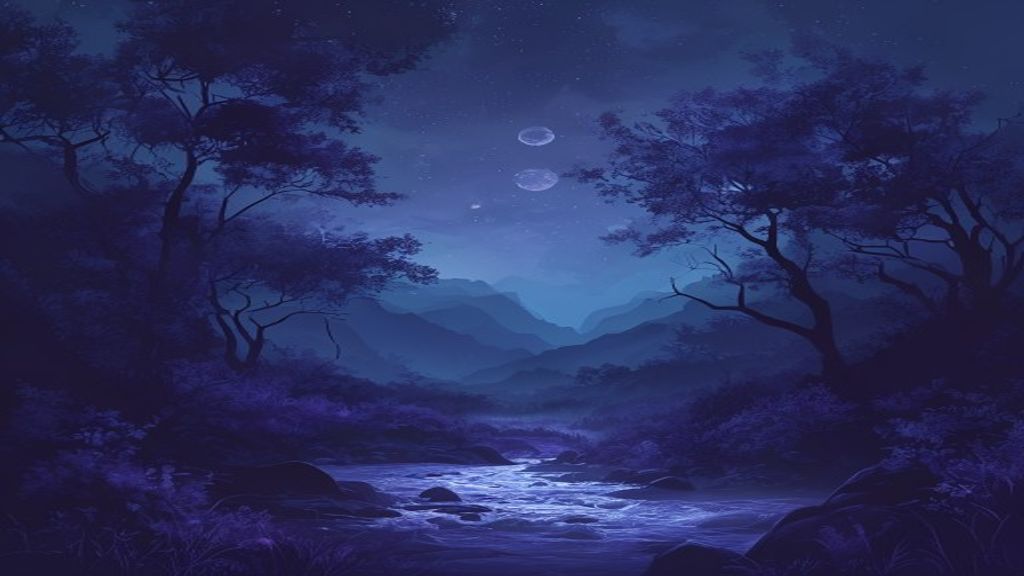
One more version worth naming: the survival dream that’s also strangely beautiful. The stars more vivid than anything you’ve seen, the stream cold and clear, the fire you managed to light casting real warmth. Nature in dreams can be hostile and generous at once. These double dreams, threatening and gorgeous in the same breath, are something close to a dream about being fully alive. When people describe them they almost always use the word ‘intense.’ That’s not the wrong word. If you also find yourself in similar high-stakes territory in sleep, the dreaming of an invasion article covers what happens when the threat source becomes external and collective rather than simply environmental.
- What resource was running out, was it water, warmth, direction, or something harder to name?
- Did the isolation feel like a weight or a relief? That distinction is the whole reading.
- Were you alone, or responsible for someone else? Who, in waking life, needs something from you right now?
- How did it end, and how did you feel when it ended? The residue is the message.
Quick answers
What does dreaming of surviving in nature mean?
It’s usually your mind running a rehearsal of a real-world stress: something in your life has gone resource-scarce or unreliable, and the wilderness externalizes that. The terrain is the atmosphere of the problem. What the dream is actually testing is your judgment and self-trust under pressure.
Is a survival dream a bad omen?
It’s not a warning about actual danger in the wild. It tracks whatever is genuinely demanding in your waking life right now. The hostile landscape is borrowed. The exhaustion and the problem-solving are pointing at something real, but not literal.
Why does nature feel threatening in my dreams even though I love the outdoors?
Because your mind isn’t commenting on your feelings about nature. It’s using the environment you associate with rawness and consequence to stage a situation where the social safety nets are gone. It would do the same with the ocean, a desert, or a storm.
What does it mean to die or fail in a survival dream?
Less than you’d think. Failing in the dream doesn’t mean failing in waking life. It can mean exhaustion has genuinely reached a limit and the dream is naming that honestly, or that a situation you’ve been white-knuckling through has finally been acknowledged as hard. Sometimes failure in the dream is its own kind of honesty.