Nature Dreams
Dreaming of a Tulip: What the Single Stem Means
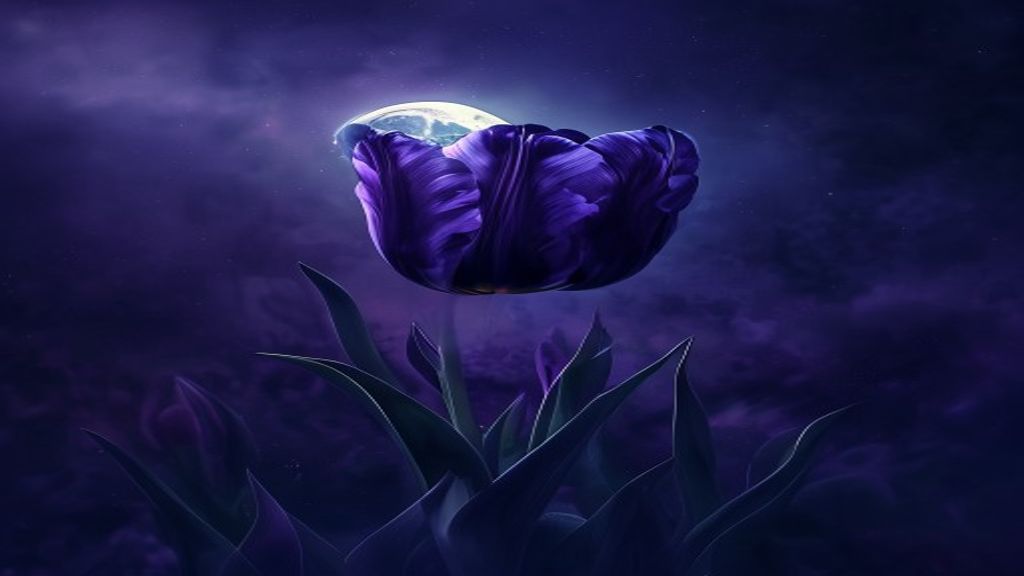
A grocery store near where I used to work kept a bucket of tulips by the door, cheap ones, the kind with cellophane still on them. I walked past that bucket every day for two years and almost never bought any. Then one week I did, on a Tuesday for no reason, and the whole kitchen changed. I thought about that Tuesday when I started paying attention to tulip dreams, because something about a single tulip is so specific it almost demands a reason. You didn’t dream of “flowers”. You dreamed of this one, probably in a particular color, maybe alone in a vase or lying flat on a table, or given to you by someone whose face you couldn’t quite hold onto when you woke.
A tulip in a dream usually signals something fleeting but genuinely beautiful: a feeling, a season of life, or a connection that blooms quickly and ends cleanly. The color sharpens the reading, but the feeling underneath tells you whether the brevity is a loss or a relief.
Why the tulip and not any other flower
Most flowers blur together in dreams. Roses have centuries of cultural freight. Wildflowers carry a sense of accident and abundance. But a tulip, especially a single tulip, has a quality of intention about it. Someone planted it, waited, got one season out of it. That lifespan is built into the shape: the closed bud holding itself together, the open cup briefly gorgeous, then gone. When it appears in a dream it tends to carry exactly that texture, something that was given its moment and is now in one of those phases.
The anchor I keep coming back to is the color. A red tulip in a dream sits in very different emotional territory from a white one or a purple one. In waking life we read tulip colors almost automatically, which is probably why the sleeping mind borrows the same code. Worth noticing what your dream chose.
The tulip is open
An open tulip in a dream tends to signal the present tense, something beautiful that’s available to you right now, a feeling, a period, a person. The question it’s asking is whether you’ve actually let yourself be in it.
The tulip is closed or wilting
A bud that hasn’t opened, or a stem that’s already drooping, tends to speak about timing. Either something hasn’t been allowed to bloom yet, or the window for it has passed and the dream is acknowledging that.
What it means when someone hands you one
The gifted tulip is the version I hear about most. Someone in the dream, sometimes known, sometimes a stranger, places a single stem in your hands. A few things are worth examining. First: did you want it? Dreams of receiving flowers can carry an undercurrent of obligation alongside the warmth, and sometimes the uneasy version of this dream is exactly about a gift you’re not sure you asked for. An affection, an offer, an inheritance. Second: what did you do with it? If you put it in water, you’re taking care of something. If you set it down and walked away, that tells you something too.
Carl Jung’s reading of plant imagery in dreams generally centers on natural growth, the self unfolding at its own pace, and I find that reading earns its keep with tulips specifically. They refuse to be rushed. They emerge when the ground is ready, not when you decide. A tulip dream often surfaces when someone is waiting out a process they can’t control, a healing, a decision someone else is holding, a spring that’s taking its time. Jung would’ve said the dream is reminding you that the timing isn’t yours to set.
The color question
Red is the easy one, passion, love, a feeling that’s fully alive. But the less obvious colors are often more interesting. A yellow tulip in a dream is surprisingly complex because yellow in nature can mean warmth or warning, and dreams use both. Purple tends to carry a meditative quality, something being held in quiet dignity. White is frequently about endings, not morbidly, more in the sense of clean completion, the way a white room feels when it’s just been cleared.
G. William Domhoff’s continuity hypothesis would suggest the colors in your tulip dream aren’t random, they reflect whatever emotional associations you carry from waking life. If you associate yellow tulips with your childhood kitchen, that’s probably what the yellow is doing. The dream doesn’t invent new meaning; it borrows yours.
Artemidorus, surprisingly useful here
I don’t reach for ancient sources very often, but Artemidorus, writing his Oneirocritica in the second century, had a practical view of flower dreams that’s held up. He treated them as calendrical: flowers in dreams indicated timing, and a flower in full bloom meant the season was now, a wilted flower meant it was passing. For a symbol as seasonally precise as a tulip, that reading is still worth something. Not prophecy, just timing awareness. The dream might be asking: are you in this moment, or are you already treating it as past?
That Tuesday with the grocery-store tulips comes back to me when I think about what these dreams actually do. I wasn’t sad or in transition or marking anything. I just walked past the bucket and, for once, thought: that’s worth bringing home. The tulip sat in a glass on the counter for eight days. I noticed it every time I made coffee. That kind of noticing is probably what the dream is after, not interpretation, just the act of really seeing something brief and real that’s already in your hands.
If you’ve been dreaming of flowers more broadly, dreaming of a forest fire makes an interesting companion read, because it’s about the opposite of careful bloom: transformation that comes fast and leaves the field open. And if your tulip arrived in a landscape setting rather than a room or your hands, dreaming of a red sunset shares something of that quality of beautiful impermanence.
- Was the tulip open, budded, or wilting, and which phase are you in?
- What color was it, and what does that color mean to you personally?
- Did someone give it to you? Did you want it?
- Were you noticing it, or walking past it?
Quick answers
What does it mean to dream of a tulip?
A tulip in a dream usually reflects something in your life that has a natural lifespan: beautiful, brief, and seasonal. The state of the tulip, open, budded, or fading, tends to mirror whether you feel you’re in the middle of something, waiting for it, or watching it close.
What does the color of a tulip mean in a dream?
Color carries your own associations more than any fixed dictionary. Red tends to point toward strong emotion or passion. White leans toward completion or clean endings. Yellow can indicate warmth or, depending on your waking associations, something worth examining. Notice what the color means to you first.
What does it mean when someone gives you a tulip in a dream?
The gifted tulip raises two questions: did you want it, and what did you do with it? It can represent an offer, an affection, or something given to you that you’re still deciding how to hold. The unease or warmth you felt on receiving it is the real signal.
Why do tulips appear in dreams specifically rather than other flowers?
Tulips carry an unusual quality of intention, someone planted them, waited, and got one season. That quality seems to make them appear in dreams when the dreamer is aware of a limited window: a feeling, a season of life, a relationship that won’t keep indefinitely.