- Tradition
- Psychological readingAnimal dreams
- Also read in
- The BibleSame symbol, other tradition
- Draws on
- Revonsuo, Artemidorus
- Reviewed
- 4 min read
The cat turns its head, opens its mouth, and says something you don’t quite catch. Dream recall fades within minutes of waking, and this dream makes the most of that: you wake absolutely certain the sentence was important, and absolutely unable to remember a single word of it.
That feeling, the near-miss of it, is basically the whole dream. A talking cat in a dream almost never delivers a clean message. It delivers a quality: something withheld, something just past the edge of hearing. The cat spoke. You almost understood.
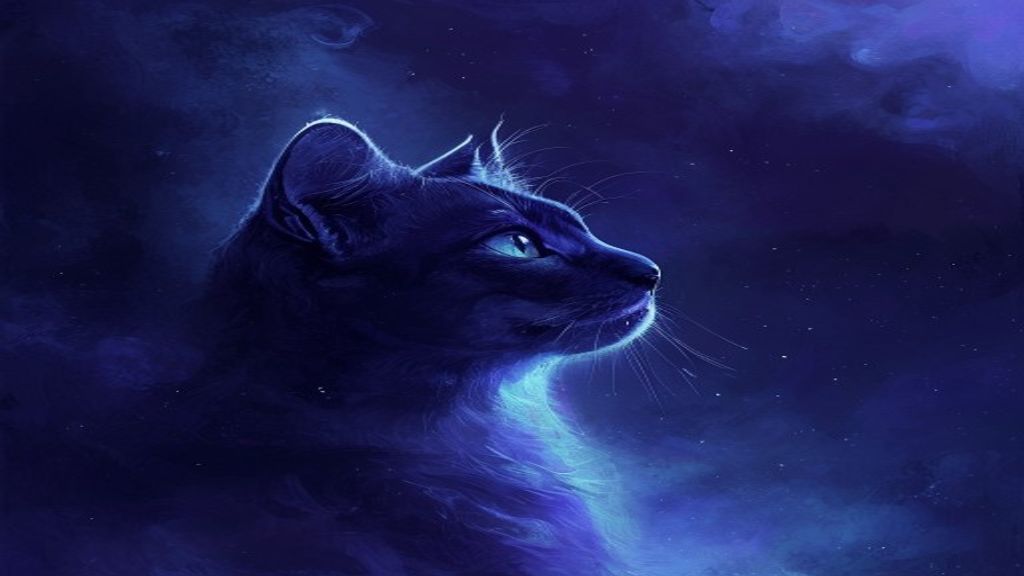
A talking cat usually represents a part of yourself that knows something you’re not fully listening to: your instincts, your quiet wants, the thing you keep almost-thinking. The fact that it speaks is less important than whether you understood, and whether you wanted to.
The cat on the window ledge
Cats carry a specific psychological weight that dogs don’t. They came to us on their own terms, and they’ve never entirely agreed to stay. When a cat in a dream begins to speak, it’s not your loyal assistant delivering a memo. It’s something in you that usually stays quiet, choosing, just this once, to say something out loud.
A Jungian would read the talking cat as shadow material deciding to become audible. Not the monstrous shadow, the embarrassing one, the self-aware one, the part that watches you from the window-ledge of your own awareness. You know it’s there. Most days you don’t ask it anything.
What the cat says, or what you remember of it, is usually less vivid than its manner. Was it calm, almost bored? Was it urgent? Did it seem disappointed in you? That tone is doing more work than any content. I’d trust your memory of how it sounded over your memory of the actual words.
Two ways to hear it
The cat that waits
The cat is patient, almost neutral. It says something obvious, something you already knew. This version tends to appear when you’ve been ignoring a quiet truth, not a crisis, just a fact you haven’t wanted to look at. The calm is part of the message: it’s been waiting a long time for you to be ready.
The cat that insists
The cat is urgent, possibly distressed. It says something you can’t quite make out, or something alarming. This version leans closer to Revonsuo’s threat simulation theory: the dreaming brain rehearsing a confrontation it hasn’t had yet. The cat isn’t a cat anymore. It’s the argument you’ve been avoiding.
Most people land somewhere between those two. And if you dreamed of a talking dog instead, or alongside the cat, the contrast tells you something by itself. Dogs speak out of loyalty and urgency. Cats speak out of choice. The difference is the whole interpretation.
What it asked you to do
Pay attention to whether the cat was asking you something or telling you something. Asking dreams are different from telling dreams, and the distinction rarely gets made in dream dictionaries. If the cat had a question for you, even one you can’t reconstruct, the dream is about a part of your life that hasn’t been decided yet. If it was making a statement, something in you has already decided.
Artemidorus, who wrote the Oneirocritica in the second century, held that the same dream means different things for different dreamers, depending on age, status and occupation. A working sailor and a senator don’t share a symbolic vocabulary, and neither do two people who dream of a cat. Your cat is your cat, not a universal symbol.
The ones where it says your name
This is the version that shakes people most. The cat turns and says your name, nothing else, and you wake up with your heart going. The theory I’d offer isn’t mystical. When the dreaming brain constructs something so intimate, a nonhuman voice saying your own name with a cat’s total indifference, it tends to arrive charged. The intimacy and the alienness land at the same time.
It’s probably the self-as-observer, speaking with deliberate strangeness to get your attention. Which suggests the question isn’t what the cat meant but what you needed to hear that badly.
Dreams about giant spiders or bees carry a more obvious menace. The talking cat is stranger because it’s almost comfortable. An animal you might live with, saying things you almost understood. That almost is doing all the heavy lifting.
If it happens again
A recurring talking cat, one that comes back night after night, usually means the message hasn’t landed. Not that the dream is broken, but that whatever the cat is standing in for hasn’t been addressed. Somewhere in the dream the cat is still on its ledge, still watching, still holding its sentence.
- What was the cat’s tone more than its words?
- Did you understand, almost understand, or not at all?
- Was the cat asking you something or telling you something?
- Is there something in your waking life you’ve been almost-thinking but not quite saying?
One symbol, two traditions
The disagreement is honest: one school sees talking cat as self-communication, the other as an image to be discerned against Scripture. They can inform each other, but they do not merge.
A talking cat usually represents a part of yourself that knows something you’re not fully listening to: your instincts, your quiet wants, the thing you keep almost-thinking. The fact that it speaks is less important than whether…
You are reading this oneThe Bible records exactly two instances of an animal speaking: the serpent in Genesis 3 and Balaam’s donkey in Numbers 22. Neither is a cat. Scripture is completely silent about cats as spiritual symbols. That silence is itself…
Read the biblical meaning →Quick answers
What does it mean to dream of a talking cat?
It usually points to a quiet, instinct-driven part of yourself that’s trying to surface. Cats in dreams tend to represent the independent, self-contained elements of the psyche, and when one speaks, it’s often the dreaming mind making audible something you’ve been half-aware of.
Is a talking cat dream a good or bad sign?
Neither, really. It’s closer to a notice. The feeling matters more than the valence: a calm talking cat carries a different message from an urgent or distressed one. If it unsettled you, the dream was probably pointing at something you’ve been avoiding.
What if I couldn’t understand what the cat said?
That’s actually the most common version. The near-miss of the message, almost-hearing it and then losing it on waking, tends to mean the relevant insight is present but you haven’t quite let yourself land on it consciously. It’s worth sitting with what you think it might have said.
Why do cats talk in dreams more than other animals?
Cats carry a symbolic weight built on centuries of cultural layering, from Egyptian reverence to medieval suspicion to their modern reputation for hidden inner lives. They speak in dreams partly because we already half-expect them to have opinions they’re withholding.
Sources for this reading
- Revonsuo, A. (2000). The reinterpretation of dreams: An evolutionary hypothesis of the function of dreaming. Behavioral and Brain Sciences, 23(6), 877-901.DOI
- Artemidorus of Daldis (2nd century CE). Oneirocritica. English edition: Harris-McCoy, D. E. (2012). Artemidorus’ Oneirocritica: Text, Translation, and Commentary. Oxford University Press.
Full bibliography on Sources and method. Found a mistake? Tell us and see the corrections log.