Animal Dreams
Dreaming of a Lion: Power, Pride, and What You Won't Look At
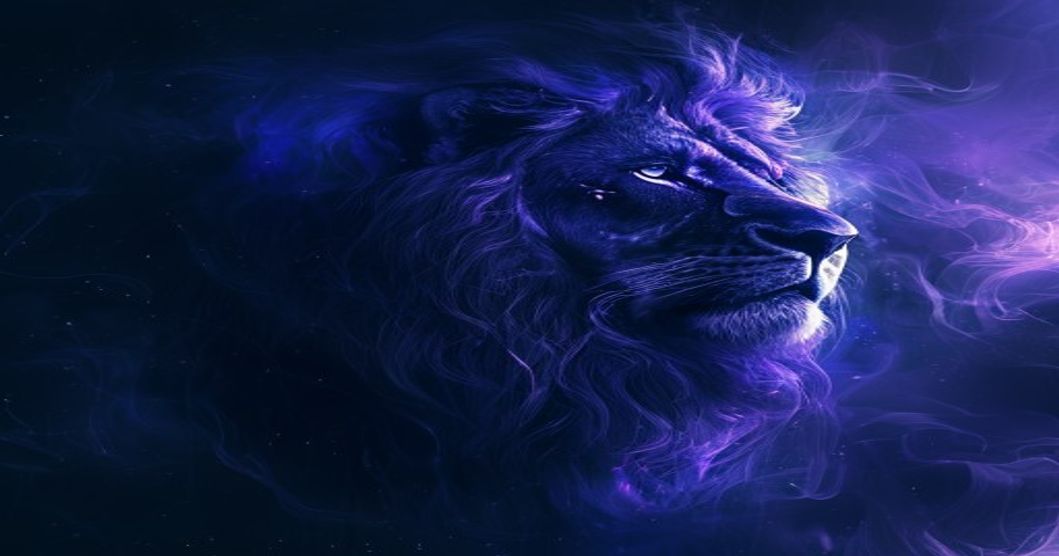
I used to work in a building with a sculpture of a lion above the entrance. Every morning for two years I walked under it without looking up. I only noticed this habit when I stopped working there, and the building appeared in a dream, and in the dream I finally looked. The lion was watching me leave.
That image kept me up for a while. Not because it was frightening. Because it was accurate.
A lion in a dream typically stands for authority, will, and the kind of power that announces itself openly. Unlike the tiger, which watches and waits, the lion tends to occupy space by right. Whether you feel awed, afraid, or weirdly calm in the dream shapes everything about how to read it.
The one that doesn’t hide
The difference between a tiger dream and a lion dream is often felt before it’s thought. Tigers move in grass and shadow. Lions sit in the open, in the light. They don’t need concealment. They’re already the answer to the question “what is the biggest thing here?”
That quality of visibility is, I think, why lion dreams tend to be about authority rather than instinct. Your tiger dream is about what’s coiled inside you. Your lion dream is about what role you’re playing, or refusing to play, in the world. It’s the difference between inner power and enacted power.
Which makes the lion dream both easier and harder to sit with. Harder because enacted power involves other people, and other people are complicated. Easier because the question is usually concrete: are you in your right place, doing your right work, stepping into the right version of your life? A firefly dream asks what small light you’re carrying; a lion dream asks whether you’re standing in yours.
How to read what happens in the dream
Jung treated large predators in dreams as projections of the personal shadow, the aspects of the self that carry force and have been either rejected or disowned. With lions specifically, the shadow reading gets interesting because lions carry cultural authority, royalty, courage, solar energy in dozens of traditions. So when the lion appears, the shadow it represents tends to be the dignified, powerful parts of you that you’ve decided aren’t appropriate to claim.
Artemidorus is blunter about it. In his second-century framework, dreaming of a lion and surviving is a favorable sign, specifically for those in positions of public life. He’d call it a dream of victory. I’m less certain about the universal reading, but there’s something to the observation that lion dreams tend to cluster around transitions in authority: a promotion that feels too large, a leadership role resisted, a difficult conversation you know you have to have and haven’t.
The lion you’ve been walking under
What I didn’t understand, for a long time, about that sculpture above the old building’s door was what it was actually doing there. Decorative, sure. But architecturally, a lion above an entrance is protection and warning simultaneously. You’re safe inside. Something outside should hesitate.
That double function shows up in lion dreams too. The lion protects and it threatens. It’s yours and it’s bigger than you. You can’t fully own it and you can’t fully disown it. This is exactly why Revonsuo’s threat-simulation framework, useful as it is for chase dreams generally, doesn’t quite cover the lion. The lion isn’t just a threat to rehearse surviving. It’s a presence to decide how to stand next to.
Dreams about hyenas often arrive when the question is about group dynamics and survival instincts; lion dreams ask something different, something more about solitary authority and what you do with it when you’re the one holding it. The two animals don’t coexist in the same psychic territory.
What sticks
People who dream of dead birds often describe a feeling of something small and specific being over. Dreams of dead birds and lion dreams rarely come from the same emotional place, but I mention it because occasionally they do come in sequence: the small thing that ended, and then the large thing that’s waiting. As if the psyche clears the runway before landing something heavier.
My lion dream, the one with the sculpture, came six weeks after I’d left that job. Not while the decision was still being made. After. When I finally looked up in the dream and met its eyes, what I felt wasn’t triumph or vindication. It was something quieter. Like being recognized. Which I think is the thing I’d been avoiding: the idea that leaving had been, in some way, a lion’s move. I’m still not entirely comfortable with that.
- Did I feel the lion’s power as mine, or as something I was facing?
- Is there an authority in my life, a role, a decision, a version of myself, that I’ve been refusing to occupy?
- What was the lion doing just before I woke?
- If the lion could see something in me that I can’t see, what would it be?
One symbol, two traditions
A psychologist asks what lion felt like and what it echoes in your week. The biblical reader asks a different question entirely: what does Scripture say when this image appears, and what does it stay silent about?
Lions in dreams carry the weight of authority, leadership, and the parts of yourself you've either claimed or buried. The emotion you feel facing it tells you everything.
You are reading this oneThe lion is the most layered animal in the Bible. Here's what Scripture actually says, from the adversary to the Lion of Judah, and what to do with a lion dream.
Read the full biblical meaning →Quick answers
What does it mean to dream of a lion?
A lion tends to represent authority, enacted power, and the part of you that either occupies its full space or refuses to. The lion’s behavior and your emotional response in the dream are more important than the animal itself.
Is dreaming of a lion attacking you a bad sign?
Not necessarily. An attacking lion is usually about a confrontation that’s overdue, not about danger. The intensity of the dream matches the intensity of whatever you’ve been avoiding. Whether you ran or stood your ground in the dream tells you something about where you actually are with it.
What does it mean to dream of a lion lying down?
This is one of the more peaceful versions. A calm, resting lion, especially near you without threat, tends to point at power that’s found its right place. It can follow a difficult decision you’ve made well, or arrive when something in your life has finally settled.
Why do I keep dreaming of lions?
Recurring lion dreams almost always circle an unresolved question about authority, either yours or someone else’s in your life. You haven’t yet fully claimed or confronted whatever the lion represents. The dream keeps returning because the question is still open.