- Tradition
- Psychological readingNature dreams
- Also read in
- The BibleSame symbol, other tradition
- Draws on
- Domhoff, Artemidorus
- Reviewed
- 5 min read
Gardens don’t grow without someone choosing them. That’s the fact buried inside every beautiful-garden dream: all that abundance had a gardener. The roses didn’t decide to bloom in rows. The paths didn’t lay themselves. Something that looks effortless in a dream, all that fragrance and color and ordered abundance, is actually a record of sustained choice. Your dreaming mind knows this even when you don’t notice it consciously.
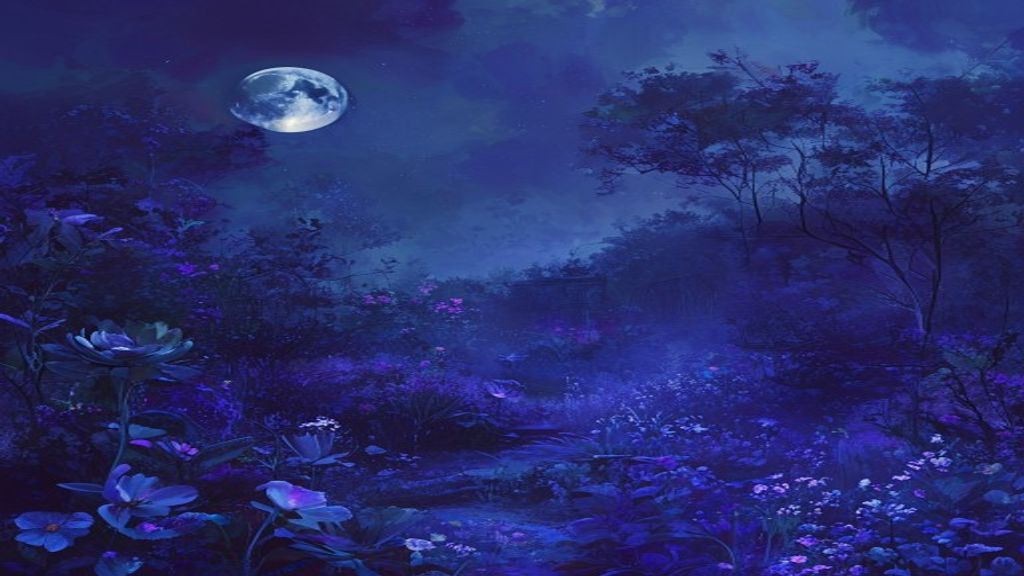
A beautiful garden in a dream usually points to a part of your inner life that’s thriving, or a part you’re longing to cultivate. The key question isn’t what’s blooming. It’s whether you felt like the gardener or only the visitor.
The visitor or the one who tended it
Think of walking into a garden that someone has spent thirty years on, a quarter-acre that looks like a painting every summer. What stays is not the flowers specifically but the smell of warm earth and something sweet you can’t name, and how the gate creaks when you push it open. The visitor feels a particular quality of arrival: entering something that had been made, carefully, without you.
That distinction, visitor versus maker, is the first thing to ask about this dream. Were you wandering through it? Or were you tending it, your hands in the soil, your sense of what needed doing? Because the beautiful garden you visit is a dream about encountering flourishing. The beautiful garden you work is a dream about being responsible for it. They’re not the same feeling, and they don’t mean the same thing.
What every tradition seems to agree on
| Tradition | How it reads a beautiful garden |
|---|---|
| Ancient Egyptian | Tomb paintings show gardens and orchards as part of the afterlife, so a cultivated paradise was already a familiar image of order. The Chester Beatty papyrus dream book (about 1200 BC) sorts dreams into good and bad omens, and an image of order is easy to place in the first group. |
| Greco-Roman (Artemidorus) | The Oneirocritica holds that the same dream means different things for different dreamers depending on age, status and occupation, so a beautiful garden would be read differently for a farmer than for a merchant. |
| Islamic dream tradition | Gardens are widely associated with paradise, jannah, so a beautiful garden carries that echo, alongside the idea of the soul in good health. |
| Jungian psychology | Jungian work centers on archetypes and compensation (Man and His Symbols, 1964). Read that way, a cultivated garden can stand for nature brought under conscious care, the wild made deliberately beautiful. |
| Contemporary research | Domhoff’s continuity hypothesis holds that dreams extend waking concerns, so a beautiful garden is read against what the dreamer is currently cultivating or longing for, in the sense of effort and in the sense of rest. |
Reading across these, the basic premise is consistent. A thriving garden means something is thriving. The differences are in where the thriving is located: your fortune, your soul, your psyche, your relationship to instinct. A reading in Artemidorus’s spirit looks at outcomes, a Jungian reading at inner structure. Both point at the same signal: this is a dream of health.
The longing version
There’s a version of this dream that’s quieter and a little harder to sit with. You’re in the garden, it’s magnificent, and you wake up and your life feels like a parking lot. The dream was beautiful. The gap between it and your waking situation is the whole message.
I don’t think this is the mind being cruel. I think it’s showing you a picture of what cultivation looks like, because something in you needs to see it. What part of your life has gone untended? What would bloom if you showed up for it consistently, the way a real gardener does, not dramatically, just reliably? The beautiful garden as a dream of longing is the most useful version, because unlike a warning dream it comes with an image of what you’re actually after.
The meadow is a garden with no gardener, and dreaming of a meadow reads that open, alive space as spaciousness and a threshold between chapters, something that invites you without requiring work. The garden gone the other way is the subject of dreaming of an overgrown garden, which asks what grew while you weren’t looking.
The gate and the choice
A beautiful garden usually comes with a way in. A gate, an archway, a break in a hedge. And the dreamer typically has to choose to go through it. Nobody is pushed. The garden waits on the other side of a threshold crossed willingly.
When it belonged to someone else
A garden can also belong to someone else. The garden is beautiful, abundant, clearly cared for, and it belongs to someone else. You’re visiting. You might be invited, or you might feel like you’re trespassing. A Jungian reading, with its idea of the garden as cultivated self, would say this points to admiring something in another person that you haven’t yet claimed in yourself. I find that reading slightly too neat, but I don’t have a better one. What I’d ask instead is: what have you been telling yourself belongs to other people? Ease, maybe, or creative richness, or the particular kind of daily satisfaction that comes from making something grow over time?
There’s also the version where the garden is the garden of someone who has died. You recognize it. Their taste is in it, their choices. You’re walking through their garden after they’re gone, and it’s still blooming without them. I think this is one of the most tender dreams a person can have. The garden persists. The cultivation outlasts the cultivator. That’s not a small thing to notice.
The opposite of cultivated abundance is abundance that simply arrives, and dreaming of golden rain reads that image of gifted wealth. Set beside the garden dream, the two ask whether you feel you’ve earned what’s growing or whether you’re waiting for it to arrive from outside.
A garden that beautiful is made of time, not talent. Watch one in the season after its gardener stops tending it and it starts to go, not badly, not yet, just softening at the edges. It becomes plain how much had been held together by habit, by the daily round of small decisions made for years without thinking about them. That isn’t sad exactly. It’s instructive.
- Was I the visitor or the one who tended this garden, and which did I want to be?
- What in my waking life is thriving right now because of sustained, quiet effort?
- If this was a longing dream, what part of my life has been going untended?
- Whose garden was it, and what might that tell me about where I’m looking for beauty that’s not mine yet?
One symbol, two traditions
Read side by side, the two traditions pull in different directions: beautiful garden as a signal from your own mind, or beautiful garden as an image to test against the text. Knowing which question you are asking is half the interpretation.
A beautiful garden in a dream usually points to a part of your inner life that’s thriving, or a part you’re longing to cultivate. The key question isn’t what’s blooming. It’s whether you felt like the gardener or only the visitor.
You are reading this oneGardens in Scripture are consistently places of encounter between God and humanity: creation in Eden (Genesis 2), anguish and surrender in Gethsemane (Matthew 26), restoration at the resurrection (John 20), and final renewal in…
Read the biblical meaning →Quick answers
What does dreaming of a beautiful garden mean?
It generally points to a part of your inner life, or outer circumstances, that’s flourishing. The key variable is your role: are you cultivating it or just passing through? Both are meaningful, but they’re not the same message.
Is dreaming of a beautiful garden a good sign?
Gardens as dreamscapes tend to be emotionally positive. If it felt beautiful and you woke up feeling good, trust that. If you woke up wistful, that gap is worth thinking about.
What does it mean to dream of a garden that belongs to someone else?
Often it points to admiring something in another person you haven’t yet claimed for yourself, a quality, a way of living, a creative practice. The question to ask is: why does this feel like it belongs to them and not to you?
Why do I dream of beautiful gardens when my real life feels difficult?
That contrast can be the whole point. The dream isn’t mocking you. It’s showing you an image of cultivation, as if to say this is what sustained attention looks like. It tends to arrive when something in you is ready to start tending.
Sources for this reading
- Domhoff, G. W. (2003). The Scientific Study of Dreams: Neural Networks, Cognitive Development, and Content Analysis. American Psychological Association.
- Domhoff, G. W. (1996). Finding Meaning in Dreams: A Quantitative Approach. Plenum Press.
- Artemidorus of Daldis (2nd century CE). Oneirocritica. English edition: Harris-McCoy, D. E. (2012). Artemidorus’ Oneirocritica: Text, Translation, and Commentary. Oxford University Press.
Full bibliography on Sources and method. Found a mistake? Tell us and see the corrections log.