Nature Dreams
Dreaming of a Storm: the force you didn't choose and can't stop
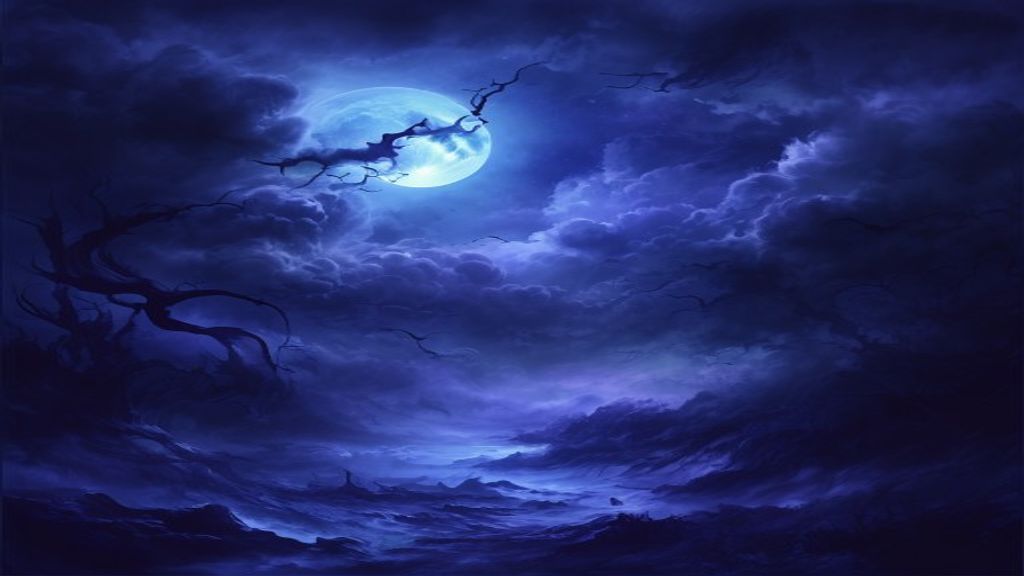
What does it mean when the storm in your dream isn’t interesting or beautiful, just genuinely overwhelming? Not the cinematic version with dramatic light, but the one where the force is simply too much and you’re very small and the only question is whether anything survives it?
I think about the cracked window. Not a broken window, a cracked one. The kind you leave because it’s only a hairline, because it’s not urgent, because closing it all the way requires something being fixed and fixing it isn’t today’s problem. Then one bad night the wind picks up and the crack becomes the room’s only real fact. That’s the exact emotional structure of most storm dreams: a hairline crack you were managing, and a force you weren’t ready for, and suddenly those two things are meeting.
A storm in a dream is usually an overwhelming force that exceeds the dreamer’s sense of control. Whether that force comes from outside your life or from inside your own emotional interior, the dream’s real question is what it does to your structure, and what’s left when it passes.
What kind of storm, and where you stood in it
Storm is a broad category and the type matters. A gale with horizontal rain and your footing going is completely different from the uncanny stillness of a dream storm that’s somehow stopped mid-howl. Different from the storm you watched from a cliff. Different from the one that you realized, mid-dream, was moving toward something specific rather than generally everywhere.
The version where the storm targets something, it goes for your house, your car, one particular tree while everything else stays standing, is often the most pointed dream. Your mind has singled something out. The storm is the pressure; the target is the thing you’re actually worried about losing. If that dream has any crossover with dreaming of a forest, you might be sensing that a whole interior ecosystem is under pressure, not just one branch.
How to read the dream without flattening it
- Start with the feeling, not the imageBefore you reach for a symbol, sit with what the dream left in your body. Dread is different from exhilaration is different from that numb detachment of watching something happen that’s too big to process. The feeling is the first piece of data.
- Locate where you were standingExposed, sheltered, watching from a distance, caught in the middle. Your position in relation to the storm is your position in relation to whatever it represents. Distance and shelter are emotional states, not just physical ones.
- Ask what the storm was doing to thingsKnocking things down, flooding, stripping leaves, bending but not breaking. Each has a different weight. Total destruction is a different dream from bending. What survived intact is often the most important element.
- Notice if you were fighting it or accepting itDreamers who run from storms are in a different conversation with their waking life than dreamers who find themselves standing still in it, watching. Neither is better. But they’re different confessions about how you’re relating to whatever’s overwhelming you right now.
- Look at what came afterA storm that ends and leaves silence. One that’s still ongoing when you wake. One you survived and then found yourself already rebuilding in. The temporal shape of the dream maps onto something real about where you are in a difficult passage.
The long tradition of taking storm dreams seriously
Artemidorus didn’t separate the kind of storm from the status of the dreamer, because the same atmospheric event meant completely different things depending on whether you were a sailor, a farmer, or a person of leisure. The storm that destroys crops and ruins livelihoods is a catastrophe. The storm that breaks a drought is a deliverance. He was tracking what the dreamer had at stake. That logic still applies. What do you have at stake right now, and is the storm threatening it or potentially relieving it?
Jung would take the storm as an expression of what he called the collective, forces operating well beyond individual will. I find that reading most useful not as cosmology but as a corrective to a certain kind of self-blame that runs through storm dreams. Not every storm is your fault. Some forces are just larger than you. The dream might be making a simple, almost compassionate point: you didn’t create this, and you can’t stop it, and the question is just how you’re in it.
The dreams that keep returning
Domhoff’s continuity work, which I find reliably honest even when it deflates romantic interpretations, would predict that recurring storm dreams track sustained high-pressure periods in daily life. You don’t need the mystical explanation. The atmosphere in your actual life is producing atmospheric imagery in your sleep. This is worth taking at face value: if the storms keep coming, something in your waking situation has sustained the conditions for them. That might be worth naming.
The recurring storm dream that shifts, that becomes different in small ways night after night, often means the dreamer’s relationship to the overwhelming force is changing, even if the force itself isn’t. You were running; now you’re watching. You were watching; now you’re still. That progression, storm as a force you gradually find a way to stand inside without being destroyed, is one of the more genuinely useful things a dream series can show. If you’ve also had dreams of black water, the two often companion each other when someone is moving through something genuinely threatening with uncertain depth.
Back to the cracked window
The crack that becomes the room’s only fact on a bad night. I did eventually fix it. Not urgently, not with any great resolution. I just finally had a day when fixing it was today’s problem. What I remember most is how quiet the room got after. How much noise I’d been filtering out without knowing it. Some storm dreams are, in the most practical sense, your sleeping mind insisting that the crack is real, the wind has been coming through it for a while now, and at some point today’s problem is going to be today’s problem. What is it that you’ve been meaning to fix?
Though I’m less certain about that reading when the storm in the dream is truly indiscriminate. When it’s not targeting anything, when it’s just weather being fully itself without interest in you specifically. Those dreams can be the most disorienting and occasionally, the most settling. Not everything is about you. Some forces just move. Dreaming of a meteorite carries something similar: that sense of a force that existed before you and will continue after, and your smallness in relation to it not as a verdict but just as a fact.
- What was the storm doing specifically: was it general or was it aimed at something in particular?
- Were you fighting, sheltering, watching, or simply in it?
- What was the first thing you noticed when the storm passed, or when you woke still inside it?
- Is there something in your waking life you’ve been treating as a hairline crack that may be wider than you’ve admitted?
One symbol, two traditions
Read side by side, the two traditions pull in different directions: storm as a signal from your own mind, or storm as an image to test against the text. Knowing which question you are asking is half the interpretation.
Storm dreams cut to something most people spend daylight hours avoiding. Nora Vance on what your mind does with overwhelming force while you sleep.
You are reading this oneWhat the Bible actually says about storms, from Jonah's sea to Jesus calming waves, and how to read it when a storm appears in your dreams.
Read the full biblical meaning →Quick answers
What does it mean to dream about a storm?
A storm in a dream usually represents an overwhelming force in your life that exceeds your sense of control. It might be external pressure or internal emotional intensity. Where you stood in relation to the storm, and what it did to your surroundings, tells you more than the storm itself.
Is dreaming of a storm a bad omen?
Not necessarily. Storms in dreams, like real storms, can be destructive or they can clear things out. The version where something survives or the air clears afterward often points to a difficult passage that has a workable ending. The version that leaves everything flattened is a heavier message worth sitting with.
What does it mean when a storm targets my house in a dream?
Your mind has singled something out. The storm is the pressure; what it targets is what you’re actually afraid of losing or having damaged. The house in Jungian terms represents the self, so a storm targeting your home often points to a threat to your sense of stability or identity.
Why do I keep dreaming of storms?
Recurring storm dreams usually track sustained high pressure in your waking life. They tend to continue as long as the conditions that generated them persist. If the storms in the dreams are shifting over time, that often means your relationship to the difficult situation is changing even if the situation itself isn’t yet resolved.