Nature Dreams
Dreaming of Water: What the Current Is Trying to Say
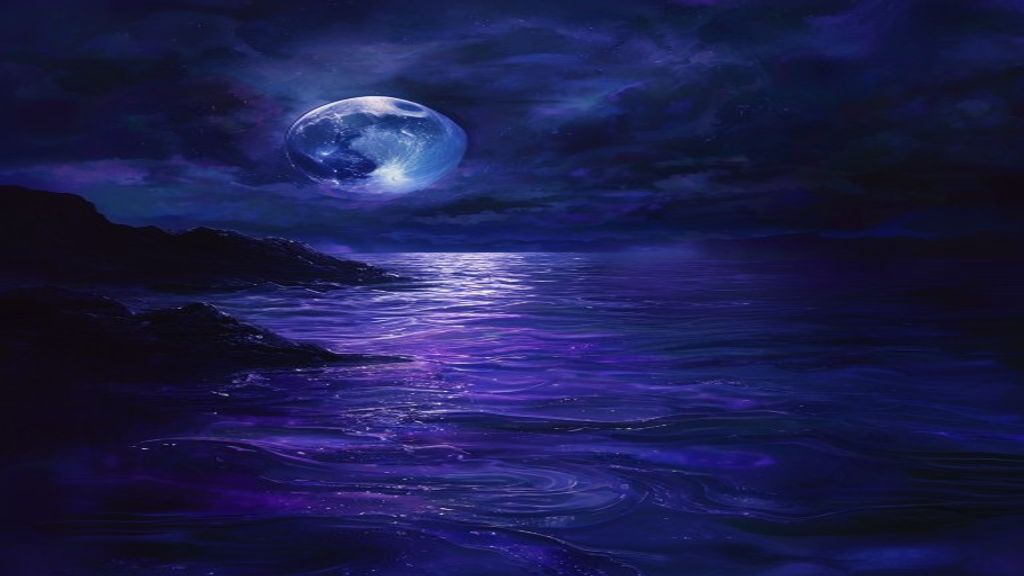
What does the water want from you? That’s the question I find myself sitting with after water dreams, because the element never just sits there. It moves or it doesn’t. It’s clean or it’s not. It’s yours to swim in or it’s coming for you whether you’re ready or not. Water is the most visited symbol in dream reports I’ve read, more than houses, more than being chased, and it earns that frequency by being genuinely ambivalent. The same element that carries you can swallow you.
Water in a dream almost always reflects your emotional state at the moment of the dream. Clear, calm water tends to mean clarity or peace. Turbulent or dark water points to feeling overwhelmed, uncertain, or churned up by something you haven’t fully processed. The single most important detail isn’t the type of water but what you did in it, and what it did to you.
I want to start with something small. The sink faucet in my childhood home made a sound when the pipes were old and the pressure was low: not a drip exactly, more of a slow irregular ticking, water not quite committing to falling. I thought of it years later when I had my first real flood dream, the kind where the hallway just fills and you can’t find the source. That childhood sound had been so ordinary I’d forgotten it. But in the dream it was there in the background, that exact interval. The water wasn’t dramatic. It was patient.
Clear or dark, moving or still
Still, clear water
This is the version people wake from feeling rested. A lake without a ripple, a pool you can see the bottom of, ocean calm as glass. It tends to appear when something that was muddy has settled, an argument resolved, a decision finally made, a long anxiety that lifted. You don’t have to do anything with this dream except notice that something inside you went quiet.
Moving or turbulent water
Rivers, floods, waves that show up too fast, water rising in rooms that should be dry. The motion isn’t always danger: a river that carries you somewhere is different from a current pulling you under. But turbulence almost always means emotional intensity in waking life, something pressing, unresolved, larger than you’ve admitted. The question to ask is whether you were swimming, watching, or fighting it.
The color and clarity of water carry more information than most people expect. Dark water, where you can’t see what’s below, tends to track the unconscious in the literal sense: the part of your inner life you haven’t examined yet. Murky brown water often carries the residue of something recent, a stressful week, a conversation you left unfinished, grief you haven’t named. Green water can carry a different charge entirely, something alive in it, productive rather than threatening. I’m usually skeptical of color readings that get too precise, but on this one the pattern really does repeat.
What you’re doing in the water
Jung wrote about water as the unconscious, and I think the reason that reading has stayed alive for a century is that the behavior of water in dreams tracks so precisely with the behavior of whatever we haven’t looked at in ourselves. Still water at the surface, unknowable depth below. You can swim on top of it without ever engaging what’s underneath. That’s not a criticism; sometimes the surface is enough. But if the water keeps appearing with that quality of unknowable depth, the dream is probably flagging something you’ve been floating over rather than diving into. It might connect to something you’ve been half-aware of, like a swamp you keep skirting in dreams of stagnation, or it might be as distinct and sudden as the feeling that comes with dreaming of lightning, where meaning arrives in one sharp flash rather than a long tide.
Artemidorus, writing in the second century, was interested in what state the water was in when you entered it, specifically whether it received you or resisted you. He wasn’t being poetic. He thought the water’s behavior toward you told you something about what the element represented in your particular life at that particular moment. That’s a stranger framework than modern psychology uses, but it asks the same essential question: are you in relationship with this feeling, or is the feeling happening to you?
Drowning versus swimming
These deserve their own section because people conflate them. Swimming, even difficult swimming, even swimming against current, is an active engagement with the emotional material the water represents. You’re in it; you’re using your body. That’s not a bad dream even when it’s exhausting. Drowning is different. It’s the sense of being taken over, of losing the capacity to keep your head up. The clinical literature on this, and Domhoff would call any romantic framing of it unromantic, confirms that drowning dreams spike during periods of genuine overwhelm: caregiving, major loss, situations where someone’s demands on your time and self have genuinely outpaced your capacity. The dream isn’t telling you to try harder. It’s telling you that something needs to change.
That sink faucet sound comes back to me now in a different way. What I remember isn’t that the water was dramatic. It was that it was continuous. Not a crisis, just a presence, water that kept going even when no one was in the room. My flood dreams have been like that too: rarely catastrophic, usually just this slow inexorable filling, water finding every low point. Which is, I think, what emotion does when you haven’t given it a proper channel. It finds the low places anyway. It’s patient in the way that only large, slow things can be patient.
If water keeps visiting your sleep, it might be worth looking at what contrast is also appearing, since mountain dreams often pair with water in the same period, the immovable beside the always-moving, or at what smaller, stranger elements like delicate things are surviving or not surviving the tide. The pairing matters.
- Was the water moving toward me, around me, or taking me somewhere I didn’t choose?
- Could I see through it, and does that match how clearly I can see a current situation in waking life?
- Was I swimming, watching from shore, or already in over my head?
- Has the same body of water appeared before, and what was happening in my life the last time it did?
Quick answers
What does dreaming of water usually mean?
Water tends to represent your emotional life, the part that runs deeper than your daily thinking. Clear, calm water points to clarity or peace. Dark, turbulent water suggests you’re dealing with something unresolved or overwhelming. The most useful detail isn’t the type of water but whether you were in it, near it, or being overtaken by it.
Is dreaming of flooding a bad sign?
Not necessarily a bad sign, but it’s usually significant. Flood dreams appear when emotional pressure has built past what you’ve consciously acknowledged. The water finding every low point in a room is a fair image for how long-suppressed feeling behaves. It’s information about volume, not a verdict on outcome.
What does drowning in a dream mean?
Drowning tends to signal genuine overwhelm: a situation in waking life where the demands on you have exceeded your capacity to meet them. It’s one of the clearer stress signals in dream imagery. If it recurs, that’s worth taking seriously, not as a prediction, but as your mind insisting you look at what’s too much.
Why do I dream of the same body of water repeatedly?
Recurring water tends to mean the emotional situation it represents hasn’t resolved or hasn’t been fully acknowledged. The specific body of water, a childhood lake, a particular ocean, an imaginary river, often carries the memory of when you first encountered that feeling. The dream returns because the feeling does.