Nature Dreams
Dreaming of a Swamp: What Murky Ground Is Trying to Say
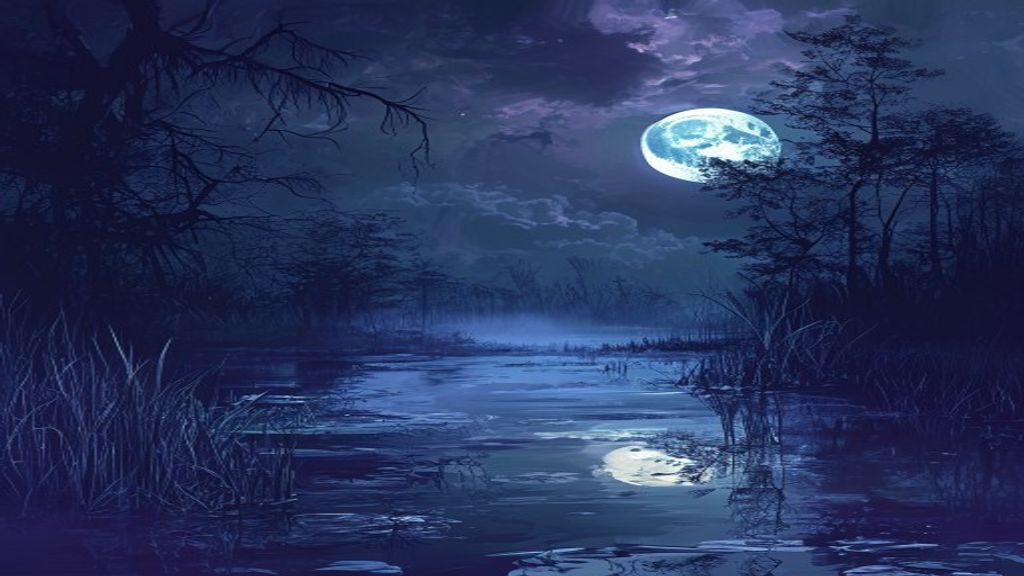
Cold water around your ankles. The ground giving just enough to make the next step uncertain. That’s the swamp dream, and it’s one of the most honest landscapes the sleeping mind produces, because it doesn’t dramatize. It doesn’t roar. It just resists.
The smell is the thing I always notice first when people describe these dreams, and I noticed it in my own. Not rotting exactly. More like vegetation doing something slow and necessary underground, the smell of a process you can’t see. The kitchen where I grew up had a window that faced a drainage ditch overgrown with reeds, and after rain that smell came in under the door. I didn’t hate it. I didn’t like it. It was just the smell of things going on without you.
A swamp in a dream usually stands for a situation in your waking life where progress is possible but slow, where something murky or unresolved is underfoot, and where the difficulty is less about danger than about effort. You’re not drowning. You’re wading. The question is what you’re wading toward.
The particular quality of swamp resistance
Most threatening dream landscapes are immediate. The storm hits. The cliff drops away. The swamp is different: it’s slow, cumulative, attritional. Each step costs more than it should. You can see where you’re going. You just can’t get there at the pace you expect.
That quality, effortful-but-possible movement through something murky, is the signature of a specific type of waking-life situation that almost everyone recognizes when I describe it. A project that should be done but isn’t. A relationship that’s been in a holding pattern for longer than either person will name. A grief process that keeps going after you thought it had stopped. A career that moves but doesn’t arrive. The swamp isn’t telling you to quit. It’s telling you what the terrain is actually like.
Jung was fascinated by water as an image of the unconscious, and swamp water in particular he’d read as the unconscious at its most active and undifferentiated, teeming and murky at once. Not dead. Very much alive. Something is happening in there. You just can’t see it from the surface. I find that framing genuinely useful for this symbol, more useful than the simpler “being stuck” reading that most dream dictionaries offer. A swamp is not a tar pit. Things live in swamps. Things grow in them. The mud is doing something.
How to read where you are in the swamp
- You’re at the edge, not sure whether to enterThis is the anticipatory version. Something murky and effortful is ahead of you in waking life, and you haven’t committed to beginning it. The swamp isn’t a verdict. It’s a description of what’s in front of you if you go.
- You’re wading, making slow progressThe most common version. You’re already in the middle of something difficult and unclear, and the dream is simply narrating that. Not a warning. Not a prediction. Just an honest description of where you are. The question is whether you can see the far shore.
- You’re stuck, can’t move forward or backThis version tends to arrive when you’ve been in a murky situation long enough that inertia has set in. Neither committing nor leaving. The swamp reads that state accurately. It’s worth asking, in waking life, what it would cost to make an actual choice.
- You find solid ground in the swampThe hopeful version, and it happens. An island, a path, a rise in the terrain. Your mind is telling you there’s a foothold available, a specific action or clarity that could change the quality of the wading. It’s worth looking hard at what, in your waking life, might be that solid patch.
The company you keep in the water
Worth noting briefly: swamp dreams where you’re alone feel different from ones where others are wading alongside you, or ahead of you, or watching from the bank. Alone in a swamp is often about a private, unspoken difficulty. Others wading with you can mean shared struggle, sometimes literally, a work situation or family difficulty nobody’s talking about openly. Someone watching from dry land while you wade is a different thing entirely, and you probably already know who that person is.
The neighbors in the dream landscape
Swamp dreams often connect to adjacent territory. If the swamp feels less like resistance and more like being frozen in place, the emotional register shifts toward something like the stillness of ice dreams. If the murky quality is less about effort and more about mystery, something alive and hidden below the surface, there’s an overlap with the enchanted forest territory, where the landscape itself is watching you.
Artemidorus, writing in the second century, read difficult terrain as predictive of difficult journeys in waking life, which is less mystical than it sounds. He was essentially saying: your mind has already assessed what’s in front of you, and it’s giving you its honest report. I find that reading useful stripped of the oracular frame. The swamp dream is your mind’s honest assessment of the ground conditions. It isn’t being poetic about it.
Domhoff would make the same point in more prosaic terms: dreams about effortful, murky terrain cluster around waking lives that are, in fact, murky and effortful. That sounds obvious until you’re in the middle of it and trying to tell yourself the ground is solid. The dream knows the difference.
The kitchen window faced the drainage ditch for fifteen years before my family moved. I never paid it much attention. But last year, wading through a professional situation that had been unclear for longer than I was willing to admit, I had a swamp dream so specific I could smell the reeds. Not threatening. Just true. The ground was doing something I couldn’t see, and so was I.
I don’t know yet what grew. That’s the thing about the swamp: the process it describes is usually still underway.
- Was I making progress at all, however slowly, or was I genuinely stuck?
- What situation in my waking life has been murky and effortful for longer than I’ve admitted?
- Did I find solid ground anywhere, and what might that correspond to?
- Who else was in the water with me, or watching from the bank?
Quick answers
What does it mean to dream of a swamp?
A swamp in a dream usually represents a situation in your waking life that’s murky, effortful, and ongoing. You’re not necessarily in danger. You’re in difficult terrain that requires more effort than expected. The swamp is an honest description of the ground conditions, not a verdict on your choices.
Is dreaming of a swamp a bad sign?
Not inherently. The swamp is often active and alive beneath the surface, even when it’s murky. It reads conditions accurately rather than passing judgment. The dream is more useful as an honest assessment of where you are than as a warning about where you’re going.
What does it mean to be stuck in a swamp in a dream?
Genuine immobility in the dream, unable to move forward or back, tends to reflect a waking-life situation where you’ve been in a state of unresolved holding for a long time. Neither committing nor leaving. The dream is naming that state clearly. The useful question is what it would take, practically, to make a real choice.
What does swamp water represent in dreams?
Jung read murky water as the active, undifferentiated unconscious: full of life and process, but not yet clear. Swamp water specifically suggests something is happening below the surface that you can’t yet see or name. That’s not always threatening. Sometimes it means a process is underway that will eventually clarify itself.