- Tradition
- Psychological readingNature dreams
- Draws on
- Domhoff, Jung, Artemidorus
- Reviewed
- 5 min read
Thunderstorm dreams leave a particular residue. The morning after feels like a collapsed umbrella propped against the wall, still wet, a small reminder of a storm you’ve already walked through. The storm is past but still present in the room. You’re dry. You’re inside. And the whole thing is still dripping somewhere behind your eyes.
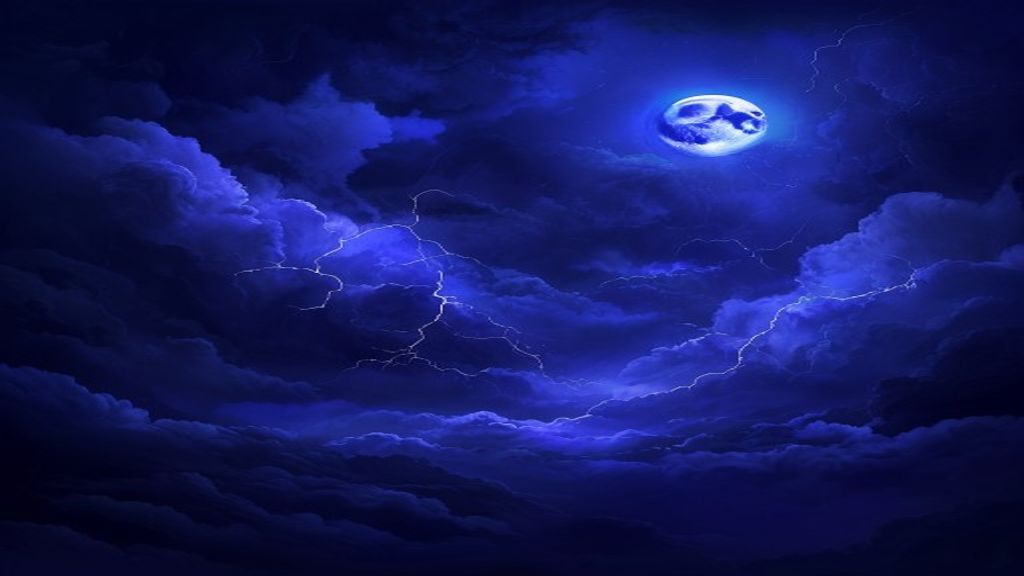
Thunderstorm dreams are among the most emotionally complete dreams there are. Unlike simple lightning, unlike isolated thunder, a thunderstorm is a full sequence: the darkening, the first drop, the full broke-open middle, then the gradual quiet. Your dreaming mind chose the whole arc. That’s not nothing.
A thunderstorm in a dream is usually an emotional event that needed to happen. The sky darkening before it hit is whatever you’d been avoiding. The storm itself is the release. What you find after, wet pavement, fallen branches, cleared air, tells you what the upheaval was actually for.
The moment before, which is where the dream often lives
Many thunderstorm dreams never reach the full storm. They stay in the before. That particular light, flat and yellow-green, the smell that isn’t rain yet but is already something, the air holding its breath. You wake from that, not from the storm itself, and you’re left with pure dread or pure excitement, depending on the person. Both are honest. The anticipatory version is usually less about the storm and more about something in your life you know is coming that you haven’t allowed yourself to fully face. You can feel it in the pressure.
Dreaming of a raging sea has similar qualities, that sense of elemental force building past the point of your ability to manage it, but the thunderstorm has a specific emotional structure the sea doesn’t: it ends. The sea just keeps going. A thunderstorm completes. That completion is often what the dreamer most needs to trust.
How different cultures have read this dream
| Tradition | How it reads the symbol |
|---|---|
| Ancient Greek (Artemidorus, 2nd c.) | Storm dreams tied to civic upheaval or personal reversal of fortune. The interpretation turned heavily on the dreamer’s station: a sailor dreaming of storms faced different stakes than a merchant. The sky was the domain of the divine, so weather was communication from above. |
| Jungian (20th c.) | The storm as an encounter with forces larger than the ego: what Jung called the collective unconscious breaking through. Not threatening so much as humbling. The individual standing in weather they didn’t make and can’t stop. |
| Ibn Sirin tradition | Islamic dream interpretation, drawing on deep older sources, read storms as tests of faith and resilience. A dreamer who sheltered wisely was showing spiritual readiness. The storm’s aftermath, was there destruction or just cleansing, mattered enormously for the reading. |
| Contemporary continuity research | Domhoff’s work would locate the storm squarely in whatever emotional intensity is live in the dreamer’s daily life. High-stress periods produce high-weather dreams. The imagery is the feeling in a shape it can hold. |
Shelter, or the lack of it
The single most important detail in a thunderstorm dream is where you were when it hit. Inside, watching through glass, carries a totally different weight than outside with nowhere to go. Inside means you have some container for the emotion, however fragile. The glass might crack but you’re not standing in it. Outside, exposed, is the dream telling you something has broken through your defenses in your waking life and you’re actually in it now, not watching.
And then there’s the third version, which is the one that lingers longest: inside, but knowing the roof won’t hold. That low terrible certainty. You’re technically sheltered and completely unprotected. I think this is the thunderstorm dream for people going through something they thought they had contained, a relationship, a professional situation, a grief, and discovering the container is less solid than they believed.
After the storm
If your dream continued past the peak into the wet, still aftermath, pay attention to that landscape. Flooded streets are different from cleared air. Fallen trees are different from bent-but-standing ones. The Jungian habit of reading a house as the self extends here: I think in a thunderstorm dream the landscape after is the self in the storm’s wake. What stood. What went over. What the light looked like when it came back.
Some thunderstorm dreams end in the fresh aftermath with a specific feeling of aliveness, skin still tingled, everything washed clean and vivid. That version arrives at moments of genuine transition, after a decision that cost something real, after a relationship ended in the open rather than the slow way. If you’ve been dreaming of a meadow as well, that after-storm meadow quality, the particular green of grass after rain, may be showing you something the thunderstorm cleared a path toward.
The umbrella in the corner
Leaving a wet umbrella in the corner longer than makes sense, because taking it home feels like closing something, is exactly the mechanism behind certain recurring thunderstorm dreams. The storm is over. You’re just leaving the evidence of it propped against the wall so the experience stays open a little longer. Some completions take more than one night to accept. And occasionally the dream is doing the same work over and over until you finally dry the umbrella and put it away. What a dream of an overgrown garden shares with the thunderstorm aftermath is that quality of something vital gone wild in the absence of attention, the storm that kept building while you looked away.
- Where were you when the storm broke: watching from inside, caught outside, or inside with a roof you weren’t sure about?
- Did the dream include the before, the storm itself, or the aftermath, and which part felt most real?
- What in your waking life has been building pressure the way a sky builds before it breaks?
- If there was damage in the dream, what was still standing?
Quick answers
What does it mean to dream of a thunderstorm?
A thunderstorm dream usually represents an emotional upheaval that needed to happen. The darkening before the storm is whatever you’ve been avoiding. The storm itself is the release. What you find in the aftermath, whether the air is cleaner or the ground is flooded, tells you what the upheaval was actually for.
Is a thunderstorm dream a warning?
Sometimes the pre-storm version, that flat yellow light before anything breaks, functions as a warning that something is incoming and unavoidable. But most thunderstorm dreams aren’t warnings so much as experiences: your mind running an emotional event through its full arc to see where things land.
What does it mean to be caught outside in a thunderstorm dream?
Exposure in a dream almost always means vulnerability in waking life. Being caught outside with nowhere to shelter usually points to something that’s broken through your usual defenses, a situation or feeling you can no longer manage from a safe distance.
Why do thunderstorm dreams recur?
Usually because the emotional event the dream represents hasn’t been fully acknowledged in waking life. The storm keeps returning until you process what triggered it: the pressure that built, what broke open, what the aftermath actually looks like.
Sources for this reading
- Domhoff, G. W. (2003). The Scientific Study of Dreams: Neural Networks, Cognitive Development, and Content Analysis. American Psychological Association.
- Domhoff, G. W. (1996). Finding Meaning in Dreams: A Quantitative Approach. Plenum Press.
- Jung, C. G. (Ed.). (1964). Man and His Symbols. Doubleday.
- Artemidorus of Daldis (2nd century CE). Oneirocritica. English edition: Harris-McCoy, D. E. (2012). Artemidorus’ Oneirocritica: Text, Translation, and Commentary. Oxford University Press.
Full bibliography on Sources and method. Found a mistake? Tell us and see the corrections log.