Nature Dreams
Dreaming of a Volcano: The Slow Build Before the Eruption
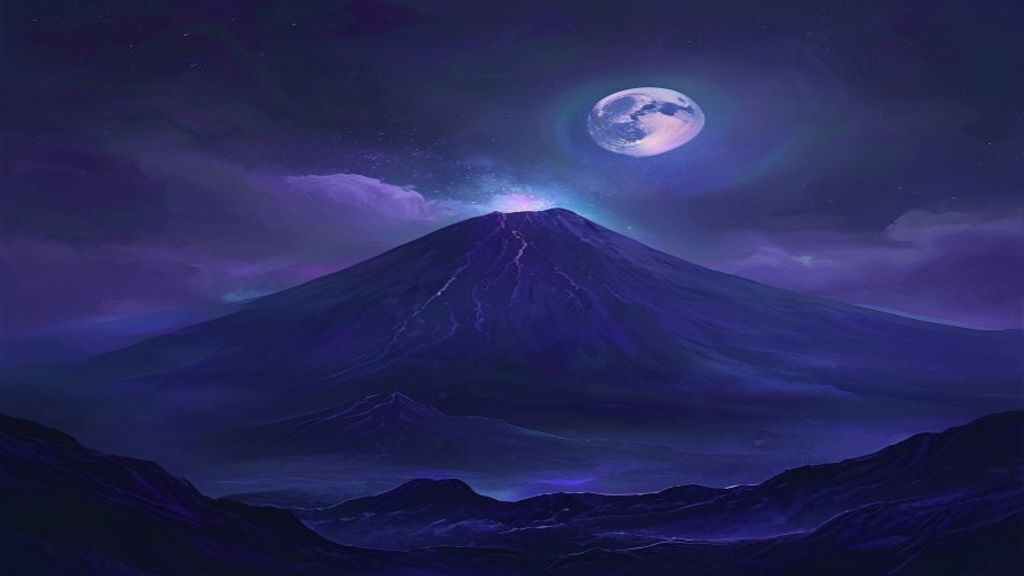
I’ll admit something: I used to dismiss volcano dreams. Too obvious, I thought. Pent-up anger. Everybody knows this one. Then a colleague described her volcano dream to me during what she insisted was a perfectly calm period, and I had to reconsider. No rage. No frustration she could identify. Just the mountain on the horizon, glowing at the rim, and an absolute certainty in the dream that it had been this way for a long time before she noticed it. That detail, the long before, is the one I keep returning to.
Not anger. Pressure.
The easy reading of volcano dreams is suppressed anger, and it’s not wrong. But it’s incomplete. Anger is one kind of pressure. Creativity is another. Grief that hasn’t been expressed is another. The dream doesn’t seem to distinguish between them much. What it responds to is accumulation: the quality of something that has been building underground while the surface stayed polite and presentable. The mountain itself has been forming for years. The eruption is just the moment it finally runs out of room.
A volcano in a dream usually points to something that has been building under pressure for longer than you’ve acknowledged. It isn’t necessarily anger; it can be creative energy, unspoken grief, or any feeling that has been managed carefully instead of expressed. The dream tends to arrive just before the pressure requires a decision.
How people have read the burning mountain
- 2nd century
Artemidorus read fire from the earth as a sign of violent upheaval in public affairs or a coming fever in the body, something hot rising through a structure that was supposed to be cool and stable. He treated it as among the more urgent dream signs.
- 19th century
Volcanic imagery appeared in the early literature on dreams as a metaphor for the unconscious itself: deep, superheated, capable of remaking the landscape above it. The industrial era liked geological metaphors for inner life.
- Early 20th century
Jung formalized the reading: the volcano as an eruption from the deep unconscious, material that has been compressed under the weight of the persona, the careful surface self, finally breaking through. His idea of the shadow as a pressurized interior finds its best natural image here.
- Contemporary research
Domhoff’s continuity work suggests that volcano dreams cluster around real periods of suppression: situations where someone has been holding back an emotional response for extended periods. The dream tracks the actual pressure, not just a symbolic version of it.
What I find useful about the historical range is that across very different interpretive frameworks, the core reading stays consistent. Hot material under pressure, building toward a release that will happen whether or not it’s invited. The only thing that changes is the vocabulary.
The versions that feel different
Watching from a distance, which is the most common version, tends to mean you know something is coming but haven’t yet had to stand in the heat of it. There’s a remove that the dream is preserving, and it’s worth asking whether that remove is wisdom or avoidance.
Standing on the volcano’s edge is more confrontational. The dreamer is right at the rim, looking down. That version tends to appear for people who are already aware of what’s building, who are in some sense choosing whether to let it erupt or not. The decision feels imminent.
Being caught in the lava’s path is the most visceral version, and oddly not always the most distressing. Sometimes surviving a lava flow in a dream carries the same quality as surviving a tsunami: something that had to happen has happened, and you came through it. The landscape will be different. That’s not necessarily the disaster it looked like from the outside.
The eruption that nobody stops to watch: this is the one that lingers with me. The volcano erupts in the background of an otherwise ordinary dream, while the dreamer goes about their business, and nobody mentions it. That version tends to belong to people who have learned to function around an enormous unacknowledged pressure, so well that even in dreams it recedes into wallpaper.
What the long before means
Back to my colleague and her perfectly calm period. What she identified, after sitting with the dream for a few weeks, was that she’d been managing something for roughly three years. Not a crisis, nothing dramatic. A slow mismatch between what she was doing and what she actually wanted to be doing, which she’d been addressing through productivity and rearrangement rather than acknowledgment. The volcano had been there the whole time. She just hadn’t looked at the horizon.
This is what distinguishes the volcano dream from most other threat dreams. It isn’t sudden. It wasn’t created by the recent event you’d like to assign it to. The mountain was forming before the obvious stressor arrived. Volcano dreams tend to carry, in their texture, a sense of something very old finally becoming visible.
If you’ve been sitting with a related question about overwhelming natural force in dreams, the piece on dreaming of a tsunami covers the dynamic of built pressure reaching shore, which shares some grammar with this. For the specific quality of fire and solar heat in dreams, dreaming of the sun explores what it means when a heat source is cosmic and external rather than geological and internal. And if the volcano dream felt more like dreaming of an overgrown garden, something once tended that has gotten away from you, that piece might speak more directly to the loss of maintenance, rather than the buildup of pressure.
What I haven’t fully resolved, personally, is whether it’s better to let the volcano erupt or to find a different outlet. I suspect the dream doesn’t much care which you choose. It cares that you stop pretending the mountain isn’t there.
- Where was I in relation to the volcano? Distance, edge, or caught in it? That position maps roughly onto how close I am to the thing building in me.
- How long has the volcano been there? Old pressure or recent? The answer probably isn’t what I first assume.
- What would the eruption look like in waking terms, and am I afraid of that because it would cause damage, or because it would require admitting something?
- What have I been managing carefully instead of expressing, and for how long?
One symbol, two traditions
A psychologist asks what volcano felt like and what it echoes in your week. The biblical reader asks a different question entirely: what does Scripture say when this image appears, and what does it stay silent about?
Fire that has been waiting underground for a very long time. What volcano dreams reveal about suppressed emotion, creative pressure, and the cost of holding things in.
You are reading this oneWhat Scripture actually says about fire, mountains, and divine wrath in dreams. KJV passages on holy fire, Sinai, and where the Bible is silent about volcanoes specifically.
Read the full biblical meaning →Quick answers
What does dreaming of a volcano mean?
It usually points to pressure that has been accumulating beneath the surface of your daily life, often for longer than you’ve consciously noticed. This could be suppressed anger, unexpressed creativity, grief, or any feeling that has been carefully managed rather than felt. The dream signals that the pressure is becoming significant.
Does a volcano dream mean I’m angry?
Not necessarily. Anger is the most obvious reading, but the volcano responds to all kinds of accumulated pressure. Creative energy that has nowhere to go, grief that keeps getting postponed, a desire for change that you’ve been rationalizing against. The common thread is the underground buildup, not the specific emotion.
What does it mean if I’m watching the volcano from far away?
Distance in the dream often means awareness without action. You sense what’s building, but you’re maintaining a safe remove. The dream is likely asking whether that distance is genuinely useful or whether you’re watching from a comfortable vantage when you should be moving closer to the decision.
Why do I keep dreaming about volcanoes?
Recurring volcano dreams usually mean the pressure they’re pointing to hasn’t been released or even acknowledged. The dream keeps returning because the waking situation keeps building. Naming what’s under pressure, to yourself or to someone else, tends to change the quality of these dreams even before anything external changes.