Vehicle Dreams
Dreaming of a Car: who's really in the driver's seat
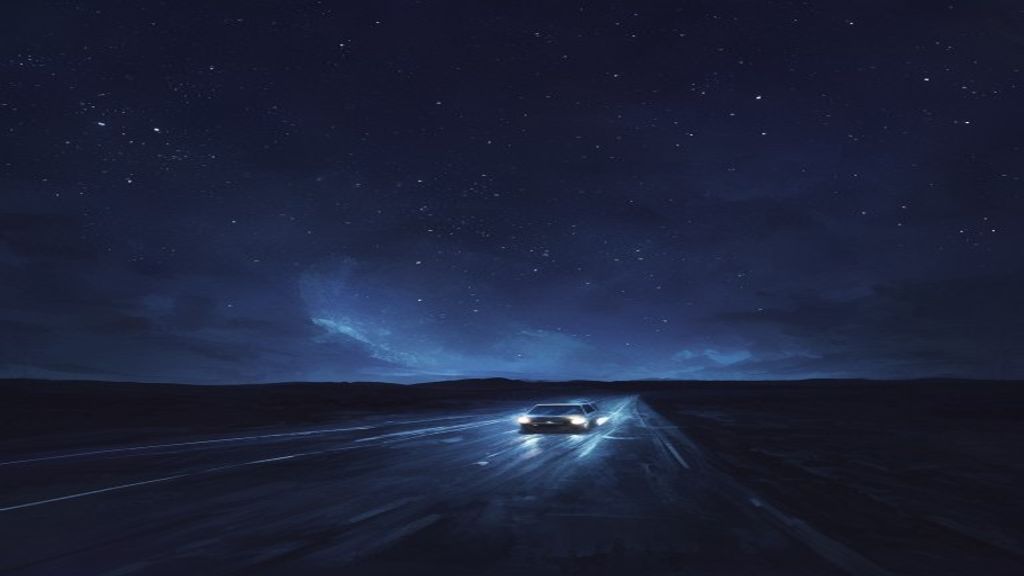
When did you last sit in the passenger seat of someone else’s car and notice, just for a second, that you had absolutely no idea where you were going? Not lost, exactly. Just… along for the ride, watching someone else’s hands on the wheel. That split second of mild unease is a feeling a lot of people carry around in their waking lives without naming it. Dreams have a talent for naming things we’d rather not.
A car in a dream usually stands for your sense of personal direction and control. Who’s driving, how much say you have over the route, and what the car itself is like all matter more than the destination. It’s a moving portrait of how much agency you feel you have right now.
The hands on the wheel
The single most telling detail in a car dream isn’t the car. It’s the seat you’re in. Driving means you’re shaping the direction of whatever chapter this is. Passenger means something or someone else is calling the shots, and you know it on some level. Back seat is worse, in my experience: it suggests you’re not even involved in the conversation happening up front. And if there’s no driver at all, the car moving on its own with you inside it, that’s the one that tends to leave people rattled, because the honest reading is that things feel like they’re happening to you rather than because of you.
The car’s condition is another layer. A car that won’t start, keeps stalling, or is embarrassingly old and unreliable tells a different story than one that’s sleek and responsive. I’d be cautious about reading too much into make and model, but the felt sense of the vehicle, whether it felt capable or like it was going to let you down, that part maps onto real life more faithfully than most symbols do. Jung treated the automobile as a distinctly modern image of the self in motion. He was interested in how the vehicles we dream about reflect what we believe we’re capable of. A beater with a cracked windshield is saying something different than a car you step into and it just goes.
Driving the car
You’re directing this phase of your life, at least more than you think. The question is whether the destination feels chosen or just inevitable. Notice if the road is clear, congested, unfamiliar, or missing entirely.
Riding as passenger
Someone or something else is running this stretch: a relationship, a job, an expectation. The dream isn’t scolding you, but it’s probably asking whether this arrangement was your idea.
What the road’s doing underneath you
People focus on the car and forget the road. A highway you can’t exit is a different dream than a familiar neighbourhood street, or a road that simply stops at the edge of a cliff. The geography matters because it’s the situation your personal direction is running into. If you’re driving confidently but the road keeps narrowing until there’s no room to continue, your dreaming mind is probably being quite literal about a decision you’ve been putting off.
Artemidorus, the second-century dream interpreter, had what I consider a surprisingly sensible observation: he thought transportation dreams reflected how the dreamer was moving through their social and professional life. Too old for the neuroscience, obviously, but not entirely wrong. The road in a car dream tends to be the world as you’re currently experiencing it, not as you’d like it to be. It’s honest in the way a good friend is honest.
Lost, stuck, or out of brakes
The most common car dream variants each have their own particular sting. Lost and driving in circles tends to cluster around decisions: you’re moving, you’re trying, and you’re not getting anywhere because the direction itself is the problem. If you’ve been circling a choice for weeks, this dream is probably just confirming what you already know.
Brakes that don’t work are so common they border on cliché, but clichés get that way because they’re doing real work. That dream tends to arrive when things are accelerating past your comfort level and you don’t feel like you can slow them down. New relationship moving fast, project scope expanding, a conversation that’s gotten ahead of itself. The car isn’t broken. The brakes are just your wish to pump them.
Domhoff’s continuity hypothesis would suggest, sensibly, that car dreams reflect genuine waking concerns about direction and control rather than some cryptic universal code. He’d be right. If you’re dreaming about a car with no brakes, it’s probably because something in your actual life feels like it’s accelerating past your comfort zone. And if the car dream keeps cycling back, it’s worth asking what the recurring route is trying to show you.
The car you don’t want to get in
Sometimes the dream is about a car you’re supposed to enter and can’t make yourself. No obvious threat, no clear reason. Just a car, and your feet won’t move toward it. This one tends to be less about control and more about commitment: the vehicle represents a path that’s available, and you’re standing beside it not getting in. Maybe worth sitting with that.
Car dreams where you’re looking for a parked car you can’t find, circling a lot that seems to rearrange itself, connect interestingly with dreams about missing a flight or a subway that won’t arrive: they’re all versions of the same frustration with transit between where you are and where you intended to be. The transport changes. The feeling of being thwarted doesn’t.
I keep coming back to that passenger-seat feeling. Not panic, not helplessness exactly, just the mild disorientation of watching someone else navigate while you’re looking out the window. Most people have a relationship like that, or a job like that, or a period in their life like that. The dream doesn’t tell you to grab the wheel. It just makes sure you’ve noticed what’s happening.
- Were you driving, riding, or somewhere else in the car entirely?
- Did the car feel like yours, like it was capable of what you needed from it?
- Where was the road trying to take you, and did you agree with that direction?
- Is there something in your waking life right now where you’re not the one steering?
Quick answers
What does it mean to dream about driving a car?
Driving usually reflects a sense of control or direction in your life. The condition of the car, whether the road is clear or blocked, and how confident you feel behind the wheel all colour the interpretation. Driving well points to agency; struggling to drive points to friction with whatever you’re currently navigating.
What does it mean when someone else is driving in my dream?
It tends to mean you’re ceding control in some area of your waking life, not necessarily badly. Sometimes you’re trusting someone else and it feels fine. The emotional tone of the ride is the real signal: relaxed passenger means the arrangement suits you, anxious passenger suggests you’d rather be driving.
Why do I dream about a car with no brakes?
Brake-failure dreams are among the most common transport dreams, and they almost always accompany a situation that’s accelerating faster than feels comfortable. Something is picking up speed and you don’t feel like you can slow it down. It’s rarely literal fear of cars; it’s situational.
What does it mean to dream about looking for your car?
Searching for a parked car that’s disappeared tends to reflect a feeling that a path you expected to be available has somehow vanished or become inaccessible. It’s frustrating in the dream because it’s frustrating in life: the route you were counting on isn’t where you left it.