- Tradition
- Biblical reading
- Also read as
- PsychologySame symbol, other tradition
- Scripture
- Genesis, Leviticus, Job, Matthew
- Reviewed
- 4 min read
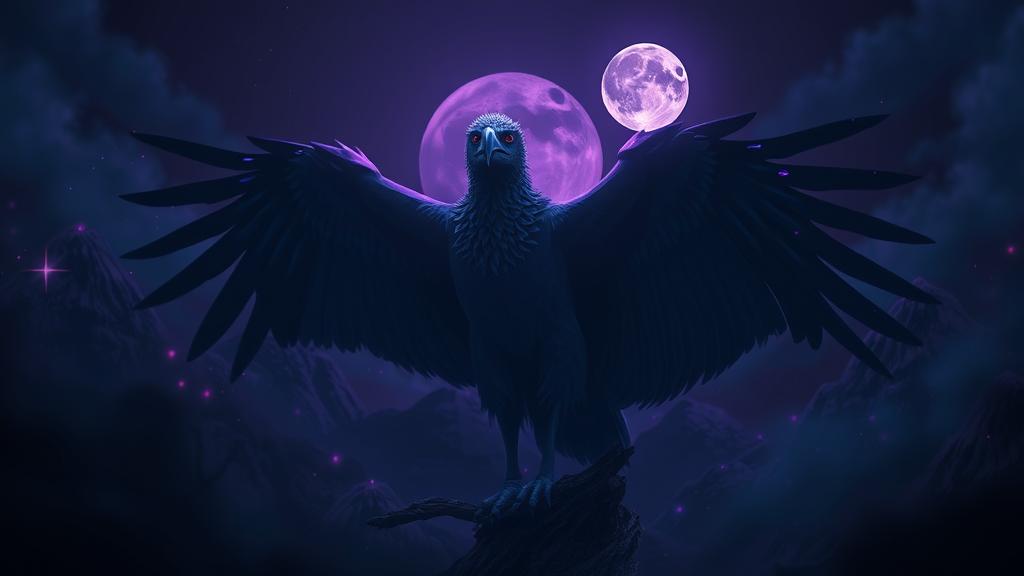
The Bible’s best-known dreams are in Genesis 37 and Genesis 40 to 41: sheaves and stars, a vine with three branches, fat and lean cattle. No vulture appears in any of them. The bird turns up elsewhere, in the purity law of Leviticus 11, in Job’s remark about a path even the vulture’s eye has not seen, and in Jesus’s saying about the carcass and the gathering birds. Where it does appear, the pattern is stranger than a single meaning would suggest.
People searching for a biblical reading of a vulture dream usually expect one thing and find another. The popular assumption is that vultures equal death, evil, or Satan circling. The Bible is more nuanced than that, and it’s also more honest about what it doesn’t say.
What the Bible actually says about vultures
Vultures appear in Scripture primarily in two registers: the ceremonial law and the prophetic literature. Neither register is simple, and holding them together gives a more complete picture than either alone.
The vulture is listed among the birds declared unclean, not to be eaten. This isn’t a moral judgment on the bird; it’s a purity-code distinction. The category ‘unclean’ in Leviticus is about ritual suitability, not evil.
‘There is a path which no fowl knoweth, and which the vulture’s eye hath not seen.’ The vulture is used here as a symbol of penetrating sight, not menace. Even the bird with exceptional vision can’t find wisdom’s path.
‘For wheresoever the carcase is, there will the eagles be gathered together.’ Several modern translations render ‘eagles’ here as vultures, circling a carcass as a sign of what’s coming. The image is prophetic judgment.
The Chaldean army is described as swifter than leopards, fiercer than wolves, and their horsemen ‘shall fly as the eagle that hasteth to eat.’ Again the carrion-bird as an image of swift, inexorable judgment.
What you’re not going to find in Scripture is a vulture as a figure of comfort or provision, the way a dove or eagle sometimes functions. The biblical vulture is associated with death, with what follows the fall of something great, and with the kind of sight that sees a long way. It’s not the devil’s bird in any simple sense. It’s a bird of consequence.
The ‘gathering of eagles’ passage most people don’t know
Matthew 24:28 is one of the stranger sayings in the Gospels: ‘Wheresoever the carcase is, there will the eagles be gathered together.’ Most readers encounter it in a chapter about the end times and don’t quite know what to do with it. Jesus is making a point about signs: when something has already fallen, the evidence gathers visibly. You don’t have to look for what’s obvious. The vultures-over-the-carcass image is a picture of something past its point of reversal.
That framing might be the most useful biblical thread for a vulture dream. Is there something in your life that’s already ended, already falling, that you’re circling rather than acknowledging? The secular reading of dreaming of a vulture usually covers instinct, opportunity, and anxiety about predators. The biblical layer adds the question of what the circling is pointing toward, and whether it’s time to name that thing honestly.
What Scripture never says about vultures
No dream in Scripture features a vulture. Joseph’s dreams involve sheaves and stars; Pharaoh’s involve cattle and grain; Daniel’s visions include beasts, but not scavenging birds. The vulture’s appearances in the text are all in waking-world contexts: law, wisdom literature, and prophecy. So a ‘biblical meaning’ of a vulture dream is an application of Scripture’s vulture imagery to a nocturnal encounter with the bird, not a verse about your dream specifically. That’s an honest limitation.
Within the tradition, readings vary. Some interpreters treat the vulture in dreams primarily as a warning of judgment or loss. Others emphasize the Job passage and read the bird as representing a kind of perception or discernment that can see what others miss. Both have textual grounding. The question is which quality the bird in your dream actually carried.
The vulture shares its place on the unclean list of Leviticus 11 with other birds that Scripture treats very differently. The raven is also listed as unclean, yet God sends ravens to feed Elijah, and the owl sits on the same list and becomes an image of desolation. Reading the three side by side shows how little the unclean label settles about a bird’s meaning.
- What is the ‘carcass’ in your waking life that you might be circling rather than letting go of?
- Did the vulture in the dream feel like a threat, or like something that had already been decided?
- Is there a situation in your life that’s past its point of reversal, and have you acknowledged that honestly?
- What does the Job verse about the vulture’s eye and wisdom’s hidden path bring up for you right now?
One symbol, two traditions
The disagreement is honest: one school sees vulture as self-communication, the other as an image to be discerned against Scripture. They can inform each other, but they do not merge.
A vulture in a dream most often points to something that has ended or is ending in your waking life, and to the clearing process that follows. It’s not a symbol of incoming death or disaster; vultures don’t kill. They arrive…
Read the psychological meaning →Joel 2:28 says God can speak through dreams, and the prophetic texts use vulture imagery in connection with serious judgment. But Ecclesiastes 5:7 counsels against over-reading every dream as divine speech, and Jeremiah 23:25-28…
You are reading this oneQuick answers
Is a vulture dream a warning from God?
Joel 2:28 says God can speak through dreams, and the prophetic texts use vulture imagery in connection with serious judgment. But Ecclesiastes 5:7 counsels against over-reading every dream as divine speech, and Jeremiah 23:25-28 warns that not every vivid or alarming dream is a message. If a vulture dream feels urgent, bring it to prayer and share it with a trusted spiritual advisor rather than treating it as certain prophecy. The question to ask is whether it points somewhere Scripture already confirms.
Does the Bible say vultures are evil?
Leviticus lists the vulture as unclean, but that’s a ritual category, not a moral verdict. The bird isn’t associated with Satan or demonic forces in Scripture the way the serpent is. In Job, the vulture’s eye is used as an image of exceptional perception. The associations are with death and judgment, which Scripture treats seriously without treating the bird itself as a symbol of evil.
What is the difference between a vulture and an eagle in the Bible?
Hebrew Scripture uses terms that translators sometimes render as eagle and sometimes as vulture, and scholars debate specific passages. The eagle in Isaiah 40:31 is almost certainly an eagle, used as an image of renewal and strength. The ‘eagle’ in Matthew 24:28 gathering over a carcass is likely a vulture by behavior. The distinction matters: the eagle-image tends toward strength and renewal; the vulture-image tends toward finality and aftermath.
What if I dreamed of a vulture circling over me personally?
That’s a more personal and potentially urgent version of the dream. Scripture doesn’t have a direct verse about this, but the Matthew 24:28 logic suggests asking what has ‘fallen’ or is ending in your life that the circling might be making visible. It’s worth bringing to prayer and, if it repeats, to a trusted counselor. The dream isn’t a prophecy of death; it may be a picture of something in your life that feels like it’s under threat.
Sources for this reading
- The Holy Bible, King James Version (1611). Public domain. Scripture quotations on this site are from the KJV.
Full bibliography on Sources and method. Found a mistake? Tell us and see the corrections log.