- Tradition
- Biblical reading
- Also read as
- PsychologySame symbol, other tradition
- Scripture
- Luke, Deuteronomy, Ezekiel, Revelation
- Reviewed
- 4 min read
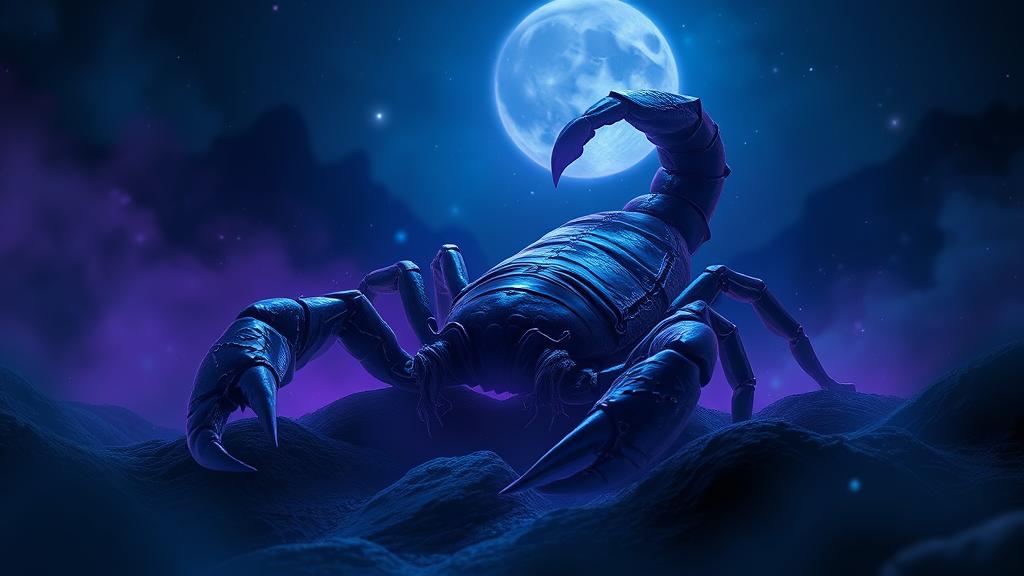
Does a scorpion in a dream mean you are under spiritual attack? Scripture does connect scorpions to ‘the power of the enemy’ in Luke 10:19, which is where that reading comes from, but the verse is about authority over the threat, not vulnerability to it. Deuteronomy 8:15 and Ezekiel 2:6 give the scorpion different jobs, and together the three passages set the limits of an honest reading of your dream.
Unlike the elephant, the scorpion does appear in Scripture by name, and it appears more than once. That gives us actual text to work with rather than principle by analogy. But the verses are specific enough that they also limit how far you can legitimately press them, and a good biblical reading honors those limits.
What the Bible actually says about scorpions
The clearest cluster of scorpion passages runs through the wilderness tradition. Deuteronomy 8:15 describes the desert God led Israel through as “that great and terrible wilderness, wherein were fiery serpents, and scorpions, and drought.” The scorpion here is not a symbol in need of interpretation. It’s a geographical fact of the wilderness, and the theological point the verse is making is that God sustained people through a landscape designed to kill them. The scorpion is the threat that didn’t prevail.
Then there’s Jesus in Luke 10:19: “Behold, I give unto you power to tread on serpents and scorpions, and over all the power of the enemy: and nothing shall by any means hurt you” (KJV). That’s a direct statement connecting the scorpion to “the power of the enemy,” which is the connection most people bring to a scorpion dream. But the verse is about authority over that threat, not vulnerability to it. That framing matters.
- Identify the scorpion’s role in your dreamWas it threatening you, present but passive, or something you stepped on? The biblical passages associate different meanings with active versus neutralized threat.
- Check the wilderness frameDeuteronomy 8:15 places scorpions inside a journey God is leading. Ask whether your dream feels like a warning sign in a passage you’re already on.
- Read Luke 10:19 in contextAuthority over scorpions is given, not automatically possessed. Ask where you feel underequipped or where you’ve been relying on your own nerve rather than on received authority.
- Notice what Revelation addsThe locust-scorpions of Revelation 9:3-10 torment only those without the seal of God. The image is about spiritual protection status, not a prediction of attack.
- Bring it to prayer and counselThe biblical tradition does not give scorpion dreams a fixed meaning. Use the dream as a prompt for honest examination rather than a verdict about your safety.
Ezekiel 2:6 adds another layer: “And thou, son of man, be not afraid of them, neither be afraid of their words, though briers and thorns be with thee, and thou dost dwell among scorpions.” God says this to Ezekiel before sending him to speak to a resistant people. The scorpions there are not literal. They are a metaphor for people who sting when you tell them what they don’t want to hear. A dream of scorpions might be less about spiritual attack and more about a conversation you’re dreading.
Revelation 9:3-10 describes locust-like creatures with scorpion tails that were given power to torment. This is apocalyptic literature, generally read as visionary and symbolic rather than as a manual for interpreting personal dreams, and readings of Revelation vary significantly. Drawing a direct line from Revelation 9 to your dream last Tuesday is a longer leap than most careful interpreters would take.
The gap between scorpion imagery and scorpion dreams
Here’s the honest thing to say: Scripture’s scorpion passages are about waking-world situations, not dream symbols. The wilderness is a real desert. The seventy disciples sent out in Luke 10 are on a real journey. Ezekiel’s scorpion-like people are a real audience he has to face. None of these passages say “if you dream of a scorpion, it means X.” They provide imagery and theology that you can bring to a dream, but the meaning doesn’t transfer automatically.
Job 33:14-16 says God does instruct people through dreams, and Joel 2:28 places dreams within the activity of the Spirit. Neither verse promises that every dream carries that weight. Ecclesiastes 5:7 is still in the canon: “For in the multitude of dreams and many words there are also divers vanities: but fear thou God.” The caution is not that dreams are worthless but that the fear of God is the better anchor than any single dream image.
The secular reading at dreaming of a scorpion asks about the internal threat the scorpion might represent, and that’s not a bad question even for someone reading from a biblical perspective. It often points to the same place: something you’ve been reluctant to face.
Luke 10:19 pairs scorpions with serpents, which is the ground of the biblical meaning of a snake in dreams. And since Deuteronomy 8:15 places them in the wilderness, the biblical meaning of a desert in dreams covers the setting.
- Is there a person or a conversation in your life right now that you’ve been treating as a threat? Does Ezekiel 2:6 speak to that?
- Where do you feel most exposed or unprotected, and where have you actually been protected without knowing it?
- Is the scorpion in your dream something you’re afraid of or something you walked past without injury?
- What would it mean to receive rather than manufacture authority over what frightens you?
One symbol, two traditions
Where the psychological read treats scorpion as a mirror of your inner state, the biblical tradition treats it as something to weigh, prayerfully, against what Scripture actually says.
A scorpion in a dream usually signals a threat that’s real but not yet visible, something in your life with a hidden sting. The setting matters enormously: your own bed versus a desert floor versus inside your shoe are three…
Read the psychological meaning →Scorpions are associated with threat and with ‘the power of the enemy’ in Luke 10:19, but the verse is about authority over that threat, not vulnerability to it. Ezekiel 2:6 uses scorpions as a metaphor for resistant people…
You are reading this oneQuick answers
Is a scorpion dream a message from God?
It can be a prompt for reflection without being a direct prophecy. Joel 2:28 affirms that God speaks through dreams, and Luke 10:19 gives a genuine theological framework for scorpion imagery. But Ecclesiastes 5:7 and Jeremiah 23:25-28 ask you to test what you’ve heard rather than act immediately on a dream’s apparent message. Bring it to prayer and, if it persists, to a trusted pastor or spiritual director.
Does the Bible say scorpions represent evil?
Scorpions are associated with threat and with ‘the power of the enemy’ in Luke 10:19, but the verse is about authority over that threat, not vulnerability to it. Ezekiel 2:6 uses scorpions as a metaphor for resistant people rather than evil forces. Scripture doesn’t reduce the scorpion to a single meaning.
What does it mean to dream of being stung by a scorpion?
Within a biblical frame you’d want to ask what’s wounding you in your waking life that you didn’t see coming. The wilderness theme in Deuteronomy 8:15 frames the scorpion as a real danger inside a God-led journey, not a sign that the journey has gone wrong.
Should I be afraid after dreaming of a scorpion?
The consistent biblical instruction to people receiving frightening dream imagery is ‘fear not.’ God’s words to Ezekiel before his difficult mission were not to be afraid of those who sting. Taking the dream seriously as a prompt for prayer and self-examination is different from treating it as a verdict about what is coming.
Sources for this reading
- The Holy Bible, King James Version (1611). Public domain. Scripture quotations on this site are from the KJV.
Full bibliography on Sources and method. Found a mistake? Tell us and see the corrections log.