- Tradition
- Biblical reading
- Also read as
- PsychologySame symbol, other tradition
- Scripture
- Revelation, John, Matthew, Genesis
- Reviewed
- 5 min read
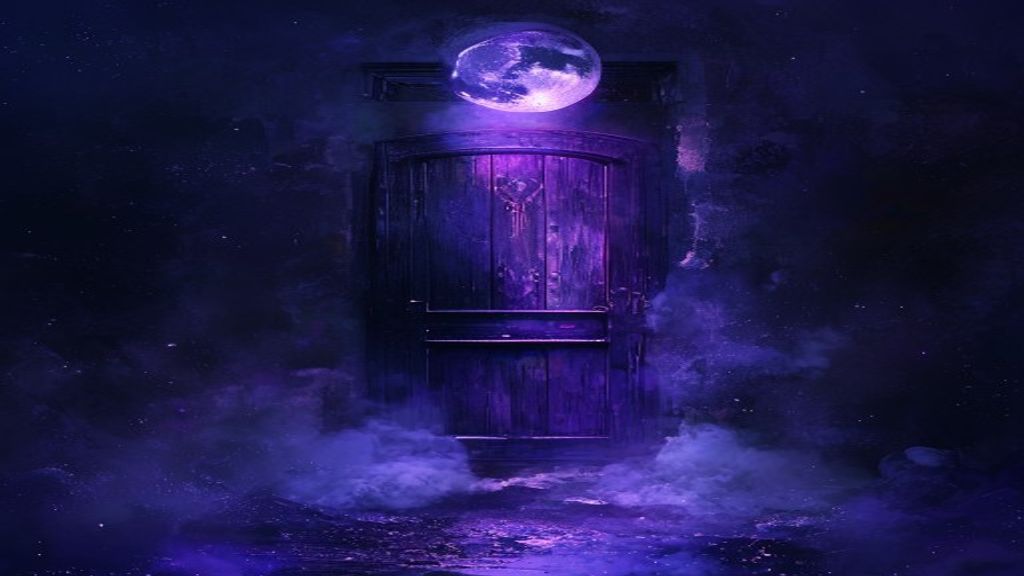
The locked door dream tends to come back as the same dream: one door, always locked, and the sense that something important is on the other side. It usually arrives with the feeling of being on the verge of something rather than in danger. A quick spiritual answer (‘God is testing your persistence’) fits some of these dreams and not others. The Bible’s door imagery is richer than that, and more honest about what access actually means.
A locked door in a dream is one of those images that sits at the intersection of two strong biblical themes. The door as an image of access, invitation, and divine presence runs through both testaments. So does the reality that some doors are genuinely closed, and that’s not always a problem to solve.
What the Bible Actually Says About Doors
The two most direct passages are in Revelation and in John, and they pull in interestingly different directions. In Revelation 3:20, Jesus says: ‘Behold, I stand at the door, and knock: if any man hear my voice, and open the door, I will come in to him, and will sup with him, and he with me.’ Here the door is on the human side; Christ is outside, asking entry. The locked door in that frame represents a closed life, but one that can be opened.
In John 10:9, Jesus says: ‘I am the door: by me if any man enter in, he shall be saved, and shall go in and out, and find pasture.’ Here the positions reverse: Christ is the door itself, and the question is whether someone will pass through. Matthew 7:7-8 adds the seeking-and-finding promise: ‘Ask, and it shall be given you; seek, and ye shall find; knock, and it shall be opened unto you.’ That passage is often applied to locked-door dreams, and it’s legitimate, but it has to be held next to what Jesus says a few verses later about narrow gates and difficult roads.
| Passage | What it says about doors |
|---|---|
| Revelation 3:20 | Christ stands at the door and knocks: the initiative is his, the opening is ours |
| John 10:9 | Jesus is the door itself: the question is whether we will pass through, not just whether to let him in |
| Matthew 7:7-8 | Knock and it shall be opened: persistence in seeking is met with access |
| Matthew 7:13-14 | The narrow gate is not easy to find: not every door that looks closed is meant to be opened by us |
| Revelation 3:7-8 | The Lord holds the key of David: he opens what no one can shut, and shuts what no one can open |
That last passage, Revelation 3:7-8, is often overlooked in this conversation. God holds the key of David, and the language is unambiguous: he opens what no one can shut, and shuts what no one can open. A locked door in that frame isn’t always about human failure or a problem to be solved. Sometimes the door is shut by the one who has the authority to shut it.
No biblical dream stands at a locked door
No dream in the biblical record features a locked door as its central image. The dream-visions in Scripture (Jacob’s ladder in Genesis 28, Pharaoh’s dreams in Genesis 41, Daniel’s visions in Daniel 7) move through gates and thresholds symbolically, but no dreamscape in the canon presents someone standing before a locked door trying to get through. The application of door imagery to dream interpretation is a legitimate move within the tradition, but it’s an application, not a direct citation.
That matters here because the locked-door dream is so common and the anxiety it carries is real. The tradition’s temptation is to assign it a meaning quickly and definitively. The more honest approach asks: which of the scriptural door frames resonates? Is this a Revelation 3:20 moment (Christ seeking entry into something you’ve kept locked)? A Matthew 7 moment (a door that’s meant to be knocked on, persistently)? Or a Revelation 3:7 moment (a door that’s shut by design, and the task is acceptance rather than force)? Those aren’t the same situation, and the dream won’t tell you which one it is. That’s the work of discernment.
Within the tradition, readings vary on this point. Some teachers emphasize the access themes (every locked door is an invitation to seek; God wants to open things). Others emphasize the sovereignty themes (God closes doors, and a locked door in a dream may be divine direction rather than obstruction). Both are genuinely present in Scripture, and the tradition’s humility requires holding both.
That verse is addressed to a church under pressure, struggling and small. The promise is that the door no one can shut is the one God has opened. It doesn’t say every door will open. It says that when God opens one, it stays open. That’s a different kind of comfort from the one most people are looking for when they dream of a locked door, and it might be the more honest one.
The psychological reading in dreaming of a locked door goes into the emotional side of being blocked from something. Scripture’s own shut door is in Matthew 25:10, where the door closes on those who arrive late, and the biblical meaning of being late in dreams follows that parable. A door belongs to a house, and the biblical meaning of a house in dreams asks what the house is built on.
- Which scriptural door image fits your dream most honestly? Are you the one who needs to open something, the one seeking access, or the one learning to accept a door that’s shut?
- Is there a situation in your waking life where you’ve been standing before a locked door? Is the task persistence, discernment, or release?
- What did the locked door feel like in the dream: frustrating, frightening, or final? What does that feeling tell you about your relationship to this kind of blocked access?
- If God holds the key to some doors, are there doors in your life you’ve been trying to force that might be locked for a reason you haven’t yet been shown?
One symbol, two traditions
Read side by side, the two traditions pull in different directions: locked door as a signal from your own mind, or locked door as an image to test against the text. Knowing which question you are asking is half the interpretation.
A locked door in a dream usually points to something you feel blocked from: an opportunity, a conversation, a part of yourself you haven’t made peace with yet. The emotion at the door matters more than the door itself.…
Read the psychological meaning →The Bible uses door imagery in several distinct ways: Christ knocking at the door of the human heart (Revelation 3:20), Christ as the door itself through which we pass (John 10:9), the promise that seeking and knocking will be…
You are reading this oneQuick answers
What does a locked door mean spiritually in the Bible?
The Bible uses door imagery in several distinct ways: Christ knocking at the door of the human heart (Revelation 3:20), Christ as the door itself through which we pass (John 10:9), the promise that seeking and knocking will be answered (Matthew 7:7-8), and God as the one who holds ultimate authority over what opens and shuts (Revelation 3:7). A locked door can fit any of these frames, and the right one depends on your specific situation, not on a general rule. The tradition recommends discernment, not a single automatic reading.
Is this dream a message from God?
Joel 2:28 affirms that God speaks through dreams, and many people find that locked-door dreams track closely with real seasons of closed opportunity or spiritual struggle. At the same time, Ecclesiastes 5:7 warns that dreams arise from the multitude of daily concerns, and Jeremiah 23:25-28 cautions against treating every dream as prophecy. If the dream resonates with a real situation in your life and moves you toward honest reflection or prayer, take it seriously. If it doesn’t attach to anything clear, hold it gently and see if it develops meaning over time.
Does a locked door in a dream mean God is blocking my path?
It might, or it might mean the opposite. Revelation 3:7 says God shuts doors that no one can open, and that’s sometimes exactly what people experience in a locked-door dream. But Revelation 3:20 presents Christ on the outside of a door, waiting to be let in, which is a completely different situation. Before deciding the door is shut by God, it’s worth asking whether you’re the one who’s been keeping something locked. Both readings are present in Scripture, and neither is automatic.
What should I do after a locked door dream?
The tradition recommends three moves: prayer, honest self-examination, and wise counsel. Bring the image to prayer and ask directly whether the door is meant to open or meant to stay closed. Examine whether there’s a locked door in your waking life that corresponds to the dream. If the dream is recurring or strongly felt, talk to a pastor or spiritual director rather than relying solely on your own interpretation. Proverbs 3:5-6 applies here: trust in God’s direction rather than leaning only on what you can see or force open.
Sources for this reading
- The Holy Bible, King James Version (1611). Public domain. Scripture quotations on this site are from the KJV.
Full bibliography on Sources and method. Found a mistake? Tell us and see the corrections log.