- Tradition
- Biblical reading
- Also read as
- PsychologySame symbol, other tradition
- Scripture
- Mark, John, Matthew, Psalms
- Reviewed
- 5 min read
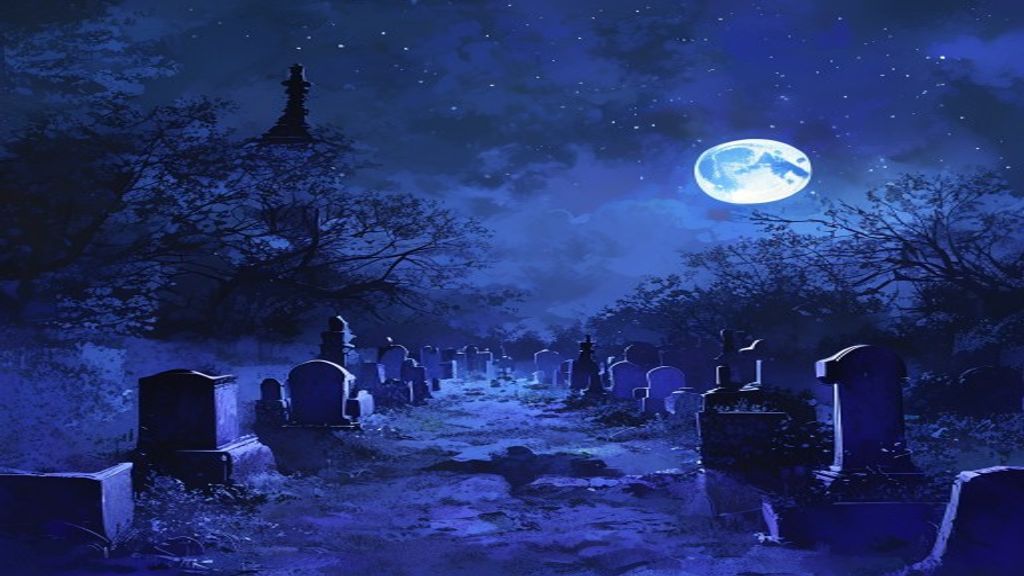
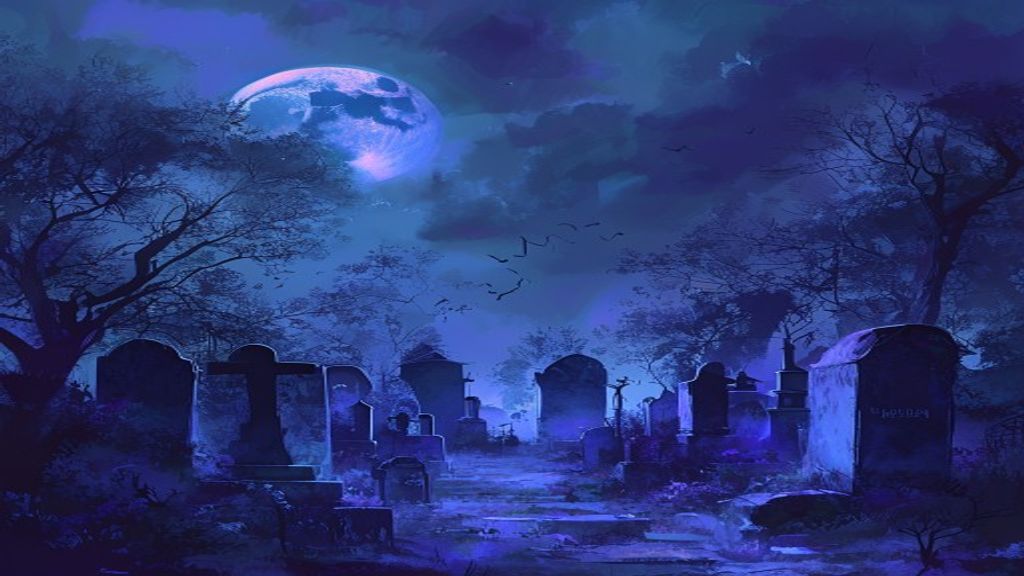
You are walking through a graveyard you don’t recognize. Nobody is chasing you and you aren’t running. You read the headstones, one after another, and nothing happens. On waking, it’s the absence of fear that unsettles you: shouldn’t you have been afraid? Was that calm wrong?
The honest biblical answer, I think, is: calm in the presence of death is actually the posture Scripture works toward, not away from. It takes most of the New Testament to get there, but it gets there.
Scripture records significant events at burial places: the demoniac who lives among the tombs, the resurrection of Lazarus, the empty tomb of Easter morning. These aren’t avoided locations in the biblical world. They’re where some of the most decisive things happen.
What the Bible actually says about tombs and burial places
The graveyard or burial ground doesn’t appear as a symbol in Scripture’s dream passages, but it appears in the waking narrative at several crucial moments.
| Passage | What it says |
|---|---|
| Mark 5:2-5 | Jesus arrives across the sea and is immediately met by a man who ‘had his dwelling among the tombs’ and could not be bound. He was untouchable, isolated, in torment. The encounter in the graveyard ends with him ‘sitting, and clothed, and in his right mind.’ |
| John 11:38-44 | Jesus comes to Lazarus’s tomb, ‘a cave, and a stone lay upon it.’ He commands the stone removed, calls Lazarus by name, and Lazarus comes out still wrapped in grave clothes. The burial place becomes the site of reversal. |
| Matthew 27:52-53 | At Christ’s death, ‘the graves were opened; and many bodies of the saints which slept arose, and came out of the graves after his resurrection.’ The cemetery as a temporary address, not a permanent one. |
| Psalm 23:4 | ‘Yea, though I walk through the valley of the shadow of death, I will fear no evil.’ The passage through the most death-adjacent space is a walk, not a flight, and not alone. |
| 1 Corinthians 15:55 | ‘O death, where is thy sting? O grave, where is thy victory?’ Paul, quoting Hosea, addresses death directly as a defeated enemy. The cemetery holds the defeated thing. |
| Ezekiel 37:1-14 | The valley of dry bones: a place of complete death that becomes, in a vision, a site of mass resurrection. The bones assemble, sinew and flesh cover them, breath enters them. |
What Scripture doesn’t do is treat the burial place as something to avoid spiritually or symbolically. The women at the tomb on Easter morning are there at dawn. The demoniac is met at the tombs, not driven away from them. Ezekiel’s vision takes place in the middle of a valley of the dead. The sacred encounter keeps showing up in the place that everyone else passes quickly.
Reading your cemetery dream
A cemetery dream usually carries one of several registers, and the biblical readings are different for each.
The psychological reading of cemetery dreams deals with grief, finality, and the things the mind processes after loss. On the biblical side, the biblical meaning of a cemetery at night adds the darkness to the same passages, and the biblical meaning of a funeral in dreams follows Psalm 23, Lazarus and 1 Corinthians 15 into the ceremony rather than the ground.
No biblical dream is set in a graveyard
No recorded biblical dream is set in a graveyard. The cemetery as a recurring setting for divine encounter is a waking-world phenomenon in Scripture, not a dream one. So a biblical reading of your cemetery dream is drawing on the theology Scripture builds around burial places, not on a dream narrative that directly parallels yours.
The calm version of this dream, the one with the unread headstones, can feel less frightening once you read Psalm 23 with the actual geography in mind. The valley of the shadow is not a place you avoid; it’s a place you walk through, with the shepherd nearby. Walking through isn’t the same as stopping. A dream like that might be about someone lost long ago, someone you still haven’t quite said goodbye to, though that is only one possibility. The cemetery might not need interpreting. It might just need attending.
- In the dream, was I walking through the cemetery or stopped somewhere inside it, and what does that movement or stillness say?
- Is there a loss I haven’t fully acknowledged, something I’ve put behind a stone without actually visiting?
- The man in Mark 5 was living among the tombs, in proximity to death in an unhealthy way. Am I doing something similar with a grief or a wound I haven’t let be finished?
- What in my waking life might this be asking me to finally call by name, the way Jesus called Lazarus?
One symbol, two traditions
The two schools are not reading the same book: psychology asks what cemetery is doing in your waking life, while the biblical tradition tests the image against Scripture and leaves the meaning with God.
Dreaming of a cemetery most often signals that something in your life has genuinely ended and deserves to be acknowledged. The cemetery is your mind’s way of marking a real closing, not predicting a new one. The emotional tone…
Read the psychological meaning →Scripture records significant events at burial places: the demoniac who lives among the tombs, the resurrection of Lazarus, the empty tomb of Easter morning. These aren’t avoided locations in the biblical world. They’re where…
You are reading this oneQuick answers
Is a cemetery dream a sign from God or a message about death?
It may be worth praying over, but Scripture advises care. Joel 2:28 affirms God speaks through dreams; Ecclesiastes 5:7 and Jeremiah 23:25-28 caution against reading every dream as revelation. A cemetery dream is more likely to be the mind processing grief or finality than a prophetic warning about literal death. Bring it to prayer with openness rather than anxiety.
Does seeing a cemetery in a dream mean someone will die?
Scripture doesn’t support predictive dream interpretation of this kind, and in fact Ecclesiastes 5:7 warns against chasing dreams as prophecy. The biblical figures who receive genuinely predictive dreams (Joseph, Daniel) receive clear, content-rich visions interpreted within the dream itself or by a named interpreter. A cemetery in an ordinary dream is almost certainly processing loss and finality rather than predicting it.
What does it mean to dream of a loved one’s grave?
The most honest biblical frame is Job 14 and the grief psalms: Scripture doesn’t rush past honest mourning. Job asks ‘If a man die, shall he live again?’ in genuine anguish. The psalms of lament name loss plainly before arriving at trust. A dream of a loved one’s grave is doing grief work, and within the biblical tradition that work is honored, not hurried. The question worth sitting with is what you haven’t yet said.
Did anyone dream of a cemetery or burial place in the Bible?
No biblical dream is set in a cemetery. The significant encounters at burial places in Scripture are waking accounts: the demoniac at the tombs (Mark 5), Lazarus’s resurrection (John 11), the empty tomb at Easter (all four Gospels). Ezekiel’s vision of the valley of dry bones (Ezekiel 37) is a prophetic vision, not a night dream. The theology those narratives build is very applicable, but it’s applied to your dream, not found in it.
Sources for this reading
- The Holy Bible, King James Version (1611). Public domain. Scripture quotations on this site are from the KJV.
Full bibliography on Sources and method. Found a mistake? Tell us and see the corrections log.