- Tradition
- Biblical reading
- Also read as
- PsychologySame symbol, other tradition
- Scripture
- Proverbs, Psalms, Isaiah, Nahum
- Reviewed
- 4 min read
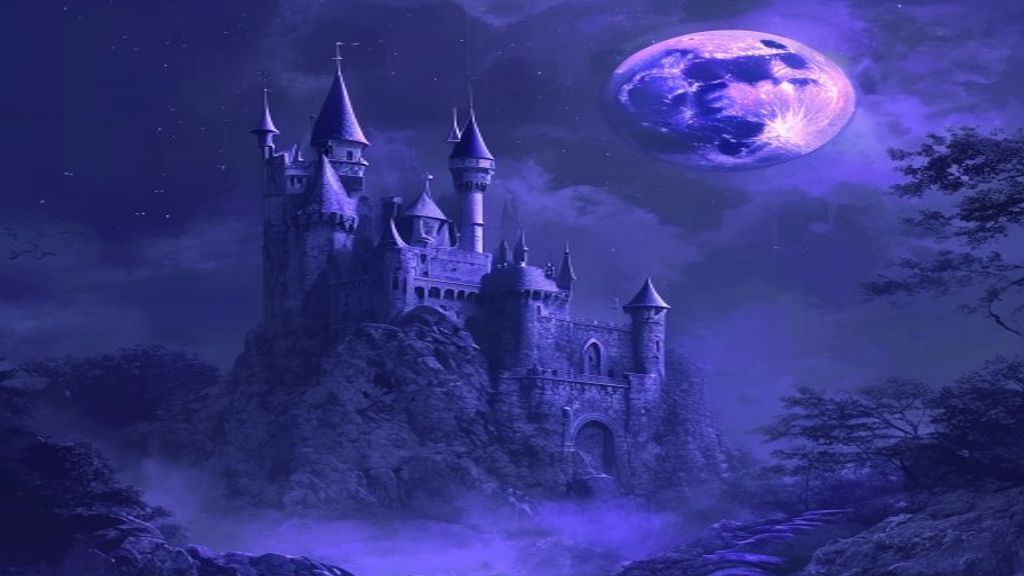
A castle with thick walls feels like safety, and the usual assumption is that this is the whole story: you are protected. Scripture is less sure. It uses fortress imagery constantly, and it means two very different things depending on who built it. Whether a castle dream is biblical depends less on the castle than on who or what the castle represents.
The strong tower appears in Proverbs 18:10: ‘The name of the LORD is a strong tower: the righteous runneth into it, and is safe.’ And just one verse later: ‘The rich man’s wealth is his strong city, and as an high wall in his own conceit.’ Two towers, same chapter. One is safety. One is self-deception. The castle in your dream almost certainly belongs to one of those traditions, and the feeling inside it will tell you which.
What the Bible Actually Says About Fortresses and Strong Towers
| Passage | What it says |
|---|---|
| Psalm 18:2 | The LORD is my rock, and my fortress, and my deliverer; my God, my strength, in whom I will trust |
| Psalm 61:3 | For thou hast been a shelter for me, and a strong tower from the enemy |
| Proverbs 18:10-11 | The name of the LORD is a strong tower; the righteous run into it and are safe. The rich man’s wealth is his strong city and a wall in his own conceit |
| Isaiah 25:12 | God brings down the fortress of the proud; the high and lofty city he lays low |
| Nahum 1:7 | The LORD is good, a stronghold in the day of trouble; and he knoweth them that trust in him |
David’s psalms are saturated with fortress language. He’d lived it literally, hiding in caves and wilderness strongholds while Saul hunted him across Israel. When he writes ‘The LORD is my rock and my fortress,’ he’s not using a metaphor emptily. He knows what it is to need a place with walls. He also knows the difference between a fortress that keeps you alive and one that cuts you off from the thing you were supposed to do.
The siege appears in Scripture too, and it runs in both directions. God is portrayed as the one who brings siege against fortresses of the proud in Isaiah. Babylon’s walls, Jericho’s walls, the walls of cities that trusted in stone rather than covenant, these come down. The castle that shelters the righteous and the castle that embodies pride are architecturally identical. What differs is what’s inside and who it belongs to.
No Castle Stands in a Biblical Dream
The medieval castle as an architectural form doesn’t exist in the biblical world. The fortified cities of the ancient Near East, the towers of Jerusalem, Jericho’s walls, the strongholds of the Psalms, these are the closest equivalents, and they’re close enough to make the biblical imagery applicable. But no dream recorded in Scripture features a castle as its setting.
Christian interpreters have historically read fortified buildings in dreams as connected to the Psalm 18 and Psalm 61 tradition: either God as the fortress, or human self-protection standing in for genuine trust. The question of who is inside the castle and what purpose it serves in the dream is more theologically productive than the structure itself.
The psychological reading of castle dreams tends to focus on self-protection, boundaries, and what the dreamer is keeping in or keeping out. The biblical reading asks the same question with a different frame: is the fortress God’s name or your own? Both readings can be right at once. A dream about a castle where you feel safe may reflect genuine trust in God. It may also reflect a self-protective posture that’s become a wall against growth. Discernment, not interpretation, is the appropriate response.
The two towers of Proverbs 18, God’s name and the rich man’s wall, are explored further in the biblical meaning of towers in dreams. And since David’s fortress language came out of hiding in caves and wilderness strongholds, the biblical meaning of caves in dreams is the other place to see what refuge cost him.
Within the tradition, readings vary. Some interpreters see any castle dream as affirmation of God’s protective presence. Others, particularly those who’ve worked through the Proverbs 18 tension, read the castle’s intactness versus its siege state as the key diagnostic. What was trying to get in? What were you trying to keep out? And was the security you felt in the dream the kind that comes from faith or the kind that comes from walls?
- Did the castle in your dream feel like a gift of shelter or something you’d built yourself? The feeling matters.
- What are you protecting right now? Is that protection faith-based or fear-based?
- Is there a wall you’ve built that may have originally been wise but has now become a barrier?
- What would it mean to run into the LORD’s name as your fortress this week, practically, not metaphorically?
One symbol, two traditions
Psychology keeps castle inside your own story, a symbol your mind built from your days. The biblical tradition looks outward instead, and asks whether Scripture gives the image any voice at all.
A castle in a dream is almost always about protection: whether you’re inside it (safe, or trapped), outside it (excluded, or free), or watching it fall apart. The walls are psychological first and architectural second.
Read the psychological meaning →The Psalm 18 tradition reads fortresses as God’s protection, yes. But the protection in those psalms is God himself, not a building. If your dream seemed to offer you shelter, the biblical question is whether that shelter is…
You are reading this oneQuick answers
Is a castle dream a message from God?
Joel 2:28 confirms that God speaks through dreams, and the fortress imagery of the Psalms shows God can certainly use shelter-images to communicate. But Ecclesiastes 5:7 cautions that many dreams arise from our own minds, and Jeremiah 23:25-28 warns against reading too confidently. If the dream left a persistent spiritual impression, test it: does it align with Scripture’s character? Does it bear peace? Is it confirmed by people who know your life?
Does a castle dream mean protection from enemies?
The Psalm 18 tradition reads fortresses as God’s protection, yes. But the protection in those psalms is God himself, not a building. If your dream seemed to offer you shelter, the biblical question is whether that shelter is something God is providing or something you’ve constructed. David built real fortresses and also wrote the psalms. He knew the difference.
What if the castle was falling apart or under siege?
Isaiah 25:12 describes God bringing down the fortresses of the proud, and the prophetic literature often uses the siege of a proud city as an image of overdue humbling. A crumbling castle may reflect a season where something you’ve relied on for protection is no longer holding. The biblical frame doesn’t read that as disaster. It reads it as invitation to a stronger foundation.
Does the Bible give different meanings for castles versus towers?
Scripture uses both images. The tower of Babel in Genesis 11 is built by human ambition and comes to nothing. The strong tower of Proverbs 18:10 is God’s name itself. The difference isn’t the architecture. It’s the purpose and the builder. A tower that reaches for heaven on human terms collapses. A tower whose name is the LORD stands.
Sources for this reading
- The Holy Bible, King James Version (1611). Public domain. Scripture quotations on this site are from the KJV.
Full bibliography on Sources and method. Found a mistake? Tell us and see the corrections log.