- Tradition
- Psychological readingPlace dreams
- Also read in
- The BibleSame symbol, other tradition
- Draws on
- Domhoff, Artemidorus
- Reviewed
- 4 min read
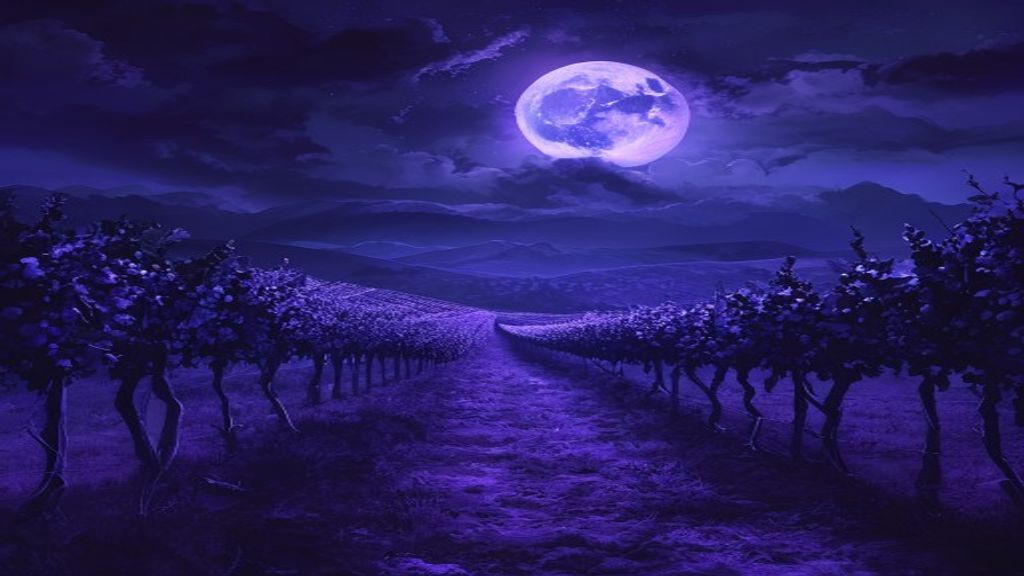
A vineyard dream is usually assumed to be about wine: the bottle, the glass, a pleasant afternoon in the countryside. It rarely is. Wine takes years, and that’s the fact your mind is probably working with. Not the harvest festival you’ve never been to. The rows. The waiting. The specific discipline of pruning something back so it’ll give you more later.
Think of a small grape vine in a terracotta pot, carried indoors every October by someone who answers anyone who asks with the same two words: “not yet.” That is the vineyard dream in miniature: the gap between the tending and the receiving.
A vineyard in a dream almost always concerns patience and the relationship between effort and reward. Whether you’re the grower, a visitor, or just walking the rows tells you a lot about where you stand with that tension right now.
What you were doing in the vineyard
Working the land
If you were pruning, watering, tying vines to wires, the dream is about the unglamorous middle part of any long project. The part where nothing is ready yet and you keep showing up anyway. This version tends to come around year two of something started with a lot of conviction.
Walking or watching
A vineyard you’re moving through without working tends to feel like inventory. You’re assessing something you’ve already put time into. The harvest may be close, or you may be realizing it won’t come in the way you expected. Either way, your mind is asking you to look honestly at what’s actually growing.
The rows themselves
What I find genuinely interesting about vineyard dreams, as opposed to forest dreams or garden dreams, is the geometry. Vineyards are organized. The rows aren’t accidental. In these dreams the detail that sticks is usually how the rows felt: tidy and reassuring, or rigid and somehow oppressive, or stretching so far they couldn’t see the end.
Jungian readings treat cultivated land as a symbol of what we’ve brought under conscious control, as opposed to the wild forest where the unconscious runs loose. A vineyard is probably the most deliberate kind of cultivated land there is. Every plant placed, every root trained. So if the rows felt good in your dream, you might be finding real satisfaction in structure you’ve built. If they felt like a trap, the discipline you’ve imposed on some part of your life may have stopped serving you.
Harvest versus bare winter vines
These two versions mean almost opposite things, and they’re worth separating cleanly. A vineyard in full harvest, heavy clusters, that amber-green light of late summer, is one of the more unambiguous abundance images the dreaming mind produces. Domhoff’s continuity hypothesis would say you’re probably in a period of genuine reward in waking life, and the dream is simply registering it. There’s nothing wrong with a straightforward good dream.
The bare-vine version is different. Winter vines look almost dead. Gnarled, leafless, the kind of thing you’d remove if you didn’t know what you were looking at. Dreams set in a winter vineyard tend to arrive when something you’ve worked on feels finished or stripped back or dormant. The question isn’t whether it’s dead. The question is whether you believe it’ll come back.
What ancient readers made of this
Artemidorus, writing in the second century, held that the same dream means different things for different dreamers, depending on age, status and occupation. For a vineyard that is a very practical rule: an owner, a laborer and a visitor are not having the same dream. I find his approach less useful for the psychological texture and more useful as a reminder that people have been dreaming about vineyards and trying to make sense of them for a very long time. The symbol is genuinely old.
A flooded house is the opposite of a vineyard: flooding tends to represent things that came faster than you could manage, while the vineyard is slow, controlled, deliberate. If both turned up in your sleep, your mind may be working out which mode actually fits what’s happening in your life. And a vineyard that felt like an escape from something has the same pull as a tropical paradise dream: the mind reaching for beauty and distance in the same breath.
Tending without tasting
Back to that pot carried indoors every October. Whoever tends it may never taste what it grows. That isn’t sad, exactly. They know what they are doing when they start. Maybe the tending was the point.
Some vineyard dreams are about exactly that: the possibility that the work itself is what you wanted, and the harvest was always going to be beside the point. Worth asking whether that’s your dream, or whether you actually needed the grapes and they’re just not coming.
- Was I working the vineyard or just moving through it?
- Were the vines in harvest, or bare and dormant?
- Did the rows feel ordered and good, or confining?
- What in my waking life is in that middle state between planting and fruit?
One symbol, two traditions
Psychology keeps vineyard inside your own story, a symbol your mind built from your days. The biblical tradition looks outward instead, and asks whether Scripture gives the image any voice at all.
A vineyard in a dream almost always concerns patience and the relationship between effort and reward. Whether you’re the grower, a visitor, or just walking the rows tells you a lot about where you stand with that tension right…
You are reading this oneThe harvest is a significant biblical image: Revelation 14 describes both a grain harvest of the righteous and a vintage harvest of judgment. Joel 3:13 uses ripe grapes as an image of readiness for divine action. Harvest in a…
Read the biblical meaning →Quick answers
What does dreaming of a vineyard mean?
It usually concerns patience and the long gap between effort and reward. The vineyard is one of the few symbols that’s explicitly about work that takes years, not days. Whether you’re harvesting or still tending tells you where you are in that process.
Is dreaming of grapes on the vine a good sign?
Generally yes. A vine with full clusters is one of the more straightforward abundance images in dreaming. It doesn’t require much analysis, honestly.
What does a bare winter vineyard mean in a dream?
Dormancy, not death, is the right frame here. Bare vines look finished but aren’t. The dream tends to arrive when something you’ve invested in feels stripped back or paused. The real question is whether you still believe it’ll come back in the spring.
Why did I dream about walking between rows of vines?
Walking the rows without working is usually the mind taking stock. You’ve put time into something, and now you’re assessing it honestly. The feeling as you walked, reassured or uneasy, is almost always the important part.
Sources for this reading
- Domhoff, G. W. (2003). The Scientific Study of Dreams: Neural Networks, Cognitive Development, and Content Analysis. American Psychological Association.
- Domhoff, G. W. (1996). Finding Meaning in Dreams: A Quantitative Approach. Plenum Press.
- Artemidorus of Daldis (2nd century CE). Oneirocritica. English edition: Harris-McCoy, D. E. (2012). Artemidorus’ Oneirocritica: Text, Translation, and Commentary. Oxford University Press.
Full bibliography on Sources and method. Found a mistake? Tell us and see the corrections log.