Action Dreams
Dreaming of Dancing: What Your Body Knows
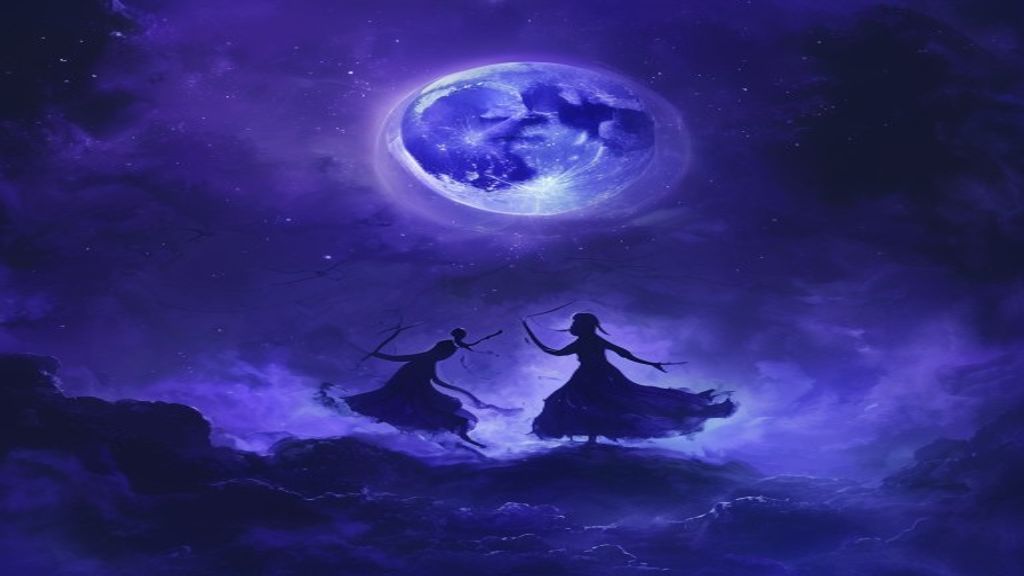
The music cut out halfway through a wedding reception I was at years ago, a technical failure, and for about four seconds the entire dance floor kept going. I watched people finish a spin, hold a partner’s hand, keep swaying. Nobody stopped immediately. The body was still dancing when the sound was already gone.
I think about those four seconds whenever someone tells me they woke up from a dancing dream still feeling it in their chest, their legs, their hands. The body doesn’t forget. Sleep just gives it somewhere to keep going.
Dancing in a dream usually signals a desire for freedom, self-expression, or connection, but the emotional tone does most of the work. Joyful dancing is the mind rehearsing aliveness. Clumsy or alone-on-the-floor dancing tends to signal something about how seen you feel right now.
What the body is actually doing in there
Most dreams about physical action, whether running, swimming, or dancing, carry a quality the dreamer remembers as kinesthetic, a felt sense not just a visual one. This is worth noting because it sets dancing apart from most symbols in dream interpretation. It isn’t primarily an image. It’s a sensation report.
Tore Nielsen, who has catalogued what he calls typical dreams across large populations, found that movement dreams are among the most common across cultures and ages. Not everyone dreams of falling or flying, but almost everyone has dreamed of their body doing something it wanted to do. Dancing sits in that family.
The question isn’t usually whether dancing is ‘good.’ It almost always feels good in the dream, even when it’s imperfect. The sharper question is who you were dancing with, what you were dancing toward, and, most importantly, whether anyone was watching.
Four versions worth telling apart
The most private kind. You’re not performing for anyone. This version tends to arrive when you’ve been spending too much energy managing how you appear to others. The dream is offering a brief reprieve from the audience.
The relationship with that person is the whole story. A late parent, an ex, a stranger with a familiar face: whoever your sleeping mind chose as partner is the one who needs your attention when you wake up.
A frustration dream, not a failure dream. Your limbs won’t cooperate, the rhythm escapes you, you keep missing the beat. This usually isn’t about dancing at all. It’s about something waking you feel you can’t quite catch up to.
This one overlaps with performance anxiety dreams, but the affect matters. If the crowd is warm and you feel lit up, it’s an expression dream. If the crowd makes you self-conscious, it’s more about how exposed you feel lately in some part of your life.
The continuity problem
G. William Domhoff’s continuity hypothesis would push back, gently, on any reading that treats a dancing dream as purely about joy or freedom. His argument, and I find it annoyingly hard to dismiss, is that dreams mostly mirror what’s already happening in your waking life. If you’re dreaming of dancing, you’re probably someone who thinks about dancing, misses dancing, or is working out some feeling that dancing represents for you. The dream isn’t granting you something. It’s reflecting something.
Which means the person who dreams of dancing at a party she can’t quite find the entrance to is probably feeling that same peripheral-to-the-celebration feeling somewhere in her days. And the person who dances alone in an empty studio in their dream has likely been spending real time with something they love without an audience. The continuity reading is less romantic. It’s often more useful.
When the music stops first
Some people dream that the music cuts off mid-dance, and they keep going anyway, or freeze, or look around confused. That particular detail, the music stopping, might be the most revealing part of the whole dream.
Because it separates external rhythm from internal rhythm. What do you do when the structure falls away? Your dream self’s answer to that question is worth writing down. Atum Revonsuo’s threat simulation research suggests the dreaming mind rehearses responses to challenge. A dancing dream where something interrupts the rhythm and you keep moving anyway might be exactly that, a quiet drill for carrying your own beat.
At that wedding, after the sound cut out, a woman near the back kept dancing for a full eight seconds. She wasn’t performing. I don’t think she even noticed the silence at first. She was just in it. That’s the dream some people wake up from feeling inexplicably lighter. Like they found out they had a second battery.
If you’ve been wondering about related territory, dreaming of flying very low carries some of the same quality, that edge-of-control physical freedom. And if the dancing in your dream involved performing for someone who needed saving, or feeling chosen, you might find dreaming of being saved lands close to home. For a very different kind of body-in-motion dream, dreaming of winning often shares the same joyful kinesthetic charge but with a scoreboard attached, which changes everything.
- Was I dancing for myself or for someone watching? That’s the whole question.
- Who was in the room, even at the edges?
- Did the dancing feel earned, or was it just suddenly happening?
- Is there something in my waking life I’m doing without an audience, or something I wish I could?
One symbol, two traditions
The two schools are not reading the same book: psychology asks what dancing is doing in your waking life, while the biblical tradition tests the image against Scripture and leaves the meaning with God.
Dancing dreams reveal what you long to feel, express, or release. Whether joyful or clumsy, the body moving in sleep tells a story worth listening to.
You are reading this oneWhat the Bible actually says about dancing in dreams. Real passages on celebration, mourning turned to dance, and what the body's movement expresses that words can't hold.
Read the full biblical meaning →Quick answers
What does dreaming of dancing mean?
It usually signals a desire for expression, freedom, or connection. Joyful dancing reflects something your waking life either has or is missing. The emotional tone and who you’re dancing with carry more meaning than the dancing itself.
Is dreaming of dancing a good sign?
Almost always, yes, especially if it felt good while it lasted. Even clumsy or interrupted dancing tends to be the mind working something out rather than warning you. The only version worth examining closely is dancing in front of a crowd that makes you self-conscious.
What does it mean to dance with a dead person in a dream?
It’s more tender than it sounds. Dancing with someone who has died is often a grief dream that arrived in one of its kinder forms. The body in motion, connected, not frozen, tends to be how the mind processes love it can’t quite let go of yet.
Why do I dream of dancing badly or losing the beat?
That version is usually less about dancing and more about something in your waking life where you feel slightly out of sync. Not failing, just off-rhythm. Notice what area of life has felt like you’re almost catching up but not quite.