Nature Dreams
Dreaming of Rain: what the downpour is really saying
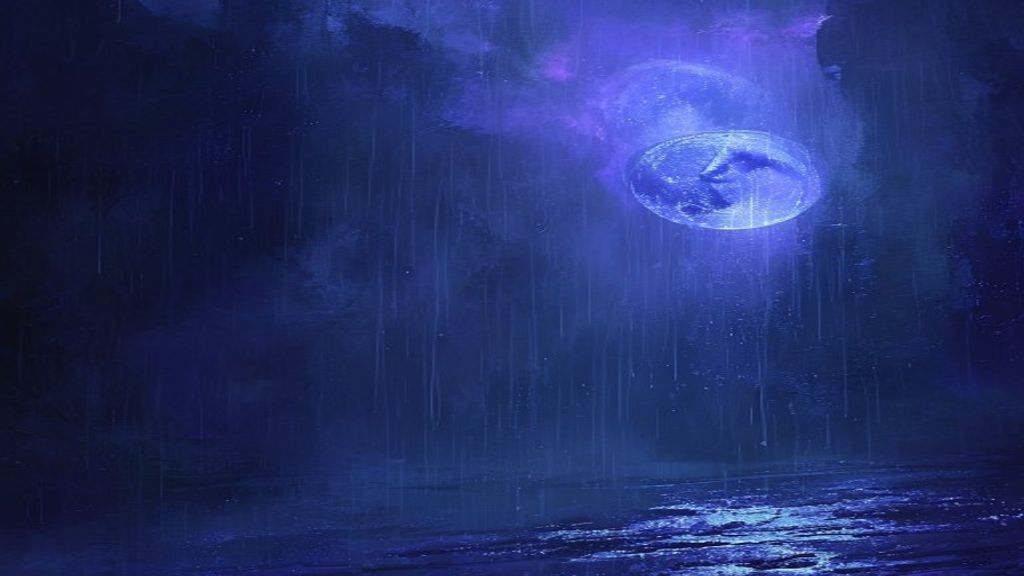
Rain doesn’t have a single meaning. That’s the first thing worth knowing, and the thing that makes it genuinely interesting to work with. Waking life knows this too: you’ve probably stood in the same light drizzle on two different days and felt totally different things each time. One morning it was almost restful, just the city going quiet under grey. Another time it felt like the sky was underlining something you were already trying not to think about. The dream doesn’t explain the difference. It just gives you the rain and waits.
Rain in a dream is almost always about emotional release or emotional pressure, and the type of rain tells you which: a soft steady rain is usually relief or grief working itself through; a sudden downpour tends to be feeling that has outrun your ability to manage it; standing in rain without minding it points to something you’ve finally made your peace with.
The sound rain makes on a specific roof
Here’s a detail I keep returning to when people describe rain dreams: whether or not they could hear it. Not what the rain looked like. Whether it had sound. Because the rain dreams that carry real weight almost always have sound. A particular, specific sound. The low roar of it on a flat roof. The bright uneven tapping on a tin awning. The way it changes pitch when the wind shifts. That specificity is your own mind being precise about something. You didn’t just dream of weather. You dreamed of a room you were in while it rained, and a particular quality of being enclosed while the world got wet outside. That enclosure is often where the meaning lives. Were you inside watching it? Outside getting soaked? Caught between two places with nowhere to shelter? The rain is almost secondary. The position you were in is what your dream was actually plotting.
A student once told me she kept dreaming of rain that she could see through a window but couldn’t hear at all. Silent, steady, unreachable. She’d wake up with a specific, low, unlocatable sadness. That’s not a complicated symbol to read. The feeling was right there in the structure: something that should be audible, present, landing on her, and instead it was glass-muffled and separate. Dreams do this kind of architectural work all the time. They don’t tell you what you’re feeling. They build a scene that has the feeling’s shape.
Rain you’re standing in
Something is landing on you directly, and you can’t avoid it. This is grief that’s arrived, change that’s already here, or emotion that can’t be held off any longer. Whether the feeling is relief or dread depends on the rain’s temperature and whether you chose to be in it.
Rain you’re watching
Distance from the feeling. You’re aware something is happening out there in your life without quite being in it yet. Sometimes this is wise waiting. Sometimes it’s the version of you that is still standing at the window deciding whether to step outside.
What Artemidorus noticed about water from the sky
People have been writing down rain dreams for a very long time. Artemidorus, in his second-century Oneirocritica, distinguished between gentle rain, which he read as favorable, particularly for farming and for endeavors that needed slow nourishment, and violent storms, which he treated as disruptive, potentially injurious depending on who was dreaming them. He was essentially doing what a careful reader still does: noticing the quality, not just the symbol. His framework is two thousand years old and parts of it hold up in the most ordinary way, not because he had special knowledge, but because human beings were already doing the same emotional math. Moderate change: not bad. Being slammed by something: depends on the circumstances.
Jung would have read rain as a descent of something from above, the unconscious pressing down into conscious life, particularly if the rain in your dream felt insistent or arrived without warning. I’m a little careful with the vertical-axis symbolism, honestly, because it can slide into the portentous. But the core observation, that rain in dreams often tracks moments when something repressed or unacknowledged is finally making contact with the surface of your life, does match what people describe. Domhoff would probably say that less dramatically: the dream is continuous with your waking concerns, and if your waking life is full of things pressing down on you, rain is one of the ways that pressure gets an image. Both readings end up in the same neighborhood. The rain is something coming through.
The quality of the rain is almost everything
Drizzle that you barely notice. Warm summer rain that feels like a gift. Cold driving rain that stings. A monsoon that turns streets to rivers. These are not the same dream and they don’t mean the same thing, which is why generic rain symbolism is mostly not useful. Ask the weather question first: was this rain on your side or not? That single question does most of the interpretive work.
Warm rain, especially rain you walk into deliberately, almost always reads as release. Something you’ve been carrying is softening. If you’ve also been reading about dreaming of clean water, you’ll recognize the thread: water that feels safe and clear is usually the mind’s way of marking purification or release, and warm rain fits that family. Cold, punishing rain is different. That’s the dream version of exposure, of being beaten on by something, which in waking life tends to mean pressure, criticism, or grief you haven’t found shelter from yet.
Rain that turns to something else
If the rain in your dream turned to something other than water, that shift is usually where the real message is hiding. Rain that became snow points to the same territory as dreaming of red snow, which is transformation tinged with unease, something that should be one thing becoming another. Rain that flooded suggests the emotion wasn’t released so much as it overwhelmed. And if you’ve had the version where rain falls but the ground absorbs it completely, leaving everything unusually clean and still, that’s among the more quietly hopeful dreams the symbol can produce.
When it keeps coming back
Recurring rain dreams are worth paying attention to, not because they’re warnings, but because the recurrence means something in your waking life is staying wet. The rain doesn’t stop in the dream because the pressure or the grief or the pending release hasn’t resolved yet. Sometimes that’s just the rhythm of difficult periods: you’ll dream of rain on and off for months after a loss, and then one day you won’t. Sometimes, though, the dream is being more pointed, especially if it’s always the same rain, the same window, the same sound on the same roof. That specificity is your mind trying to give you the address of the feeling. It already knows which room you were in.
The tin-awning sound I mentioned at the start, the one that’s very precise in certain rain dreams, I’ve started paying attention to whether people can name the place it came from. Most of the time they can, after a moment. A childhood apartment. A particular summer. A workplace they haven’t thought about in years. That’s not the dream sending you a message from the past. That’s the dream borrowing a familiar acoustic to talk about something current. The sound is the loan. The meaning is the debt your present life is carrying.
- Was I inside or outside, and did I choose to be there?
- What was the quality of the rain: warm, cold, soft, violent?
- Could I hear it, and if so, does the sound remind me of a specific place?
- Is there something in my waking life that’s been building pressure and hasn’t yet broken through?
Quick answers
What does dreaming of rain usually mean?
Rain in dreams almost always relates to emotional release or pressure. Soft, steady rain tends to mean grief or relief moving through you. A sudden downpour points to feeling that’s arrived faster than you can manage. The type of rain and your position in it, inside watching or standing soaked, do most of the interpretive work.
Is dreaming of rain a good or bad sign?
Neither, reliably. Warm rain you walk into often reads as release, even as something welcome. Cold, driving rain reads as exposure or pressure. The mood of the rain in the dream is a much better guide than the symbol itself.
What does it mean to dream of rain while being inside?
Watching rain from behind glass tends to point at emotional distance: something is happening in your life that hasn’t fully landed yet. The glass isn’t protection. It’s a decision you haven’t made about whether to step into what’s coming.
Why do I keep dreaming about rain?
Recurrence usually means the underlying feeling hasn’t resolved. Something is still pressing on you, still waiting to break through or be acknowledged. The rain tends to stop when the waking situation changes or when you finally name what’s been building.