- Tradition
- Biblical reading
- Also read as
- PsychologySame symbol, other tradition
- Scripture
- Mark, Psalms, Genesis, Ezekiel
- Reviewed
- 4 min read
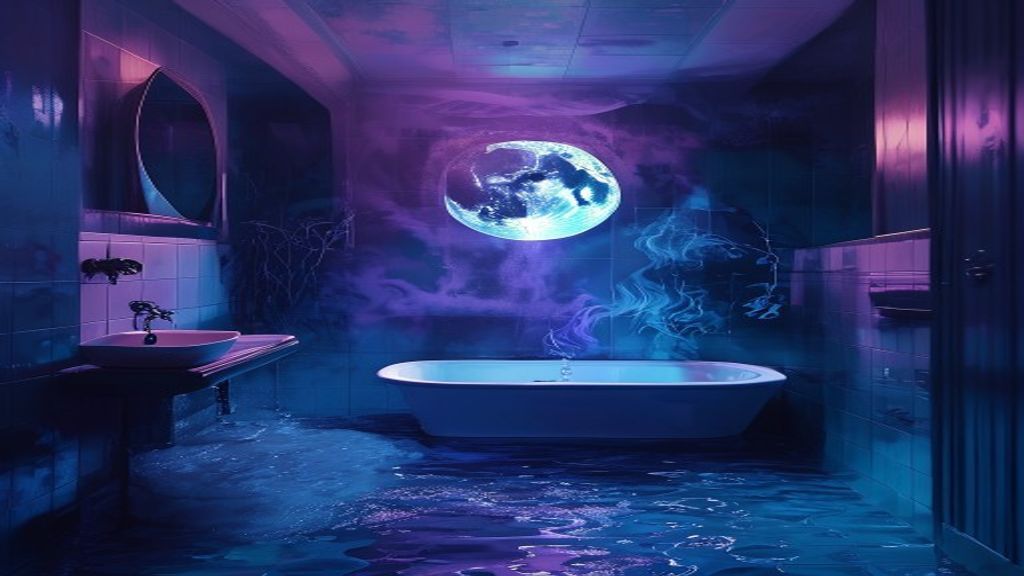
Start with the plainest reading of a bathroom dream: the body wanted something and the dream dressed it up. Sometimes that is true. It fails when the bathroom doesn’t work, when the faucets run dry or flood without stopping, nothing is clean and nothing will drain, and you wake with an unease that isn’t quite nightmare but isn’t neutral either. Scripture doesn’t mention bathrooms. But it has a great deal to say about what the bathroom points to.
Bathroom dreams are nearly universal, and the interpretive traditions that surround them, across cultures and frameworks, circle the same cluster of concerns: what needs to be cleaned, what can’t be cleaned, what you’re trying to do privately, and whether the ordinary mechanisms of cleansing are working. The biblical tradition treats all of those as genuine spiritual questions.
What the Bible Actually Says About Cleansing and Purification
The Levitical purity codes are detailed in ways that can feel alien to modern readers, but they establish something important: the ancient Israelite world understood the distinction between clean and unclean as spiritually serious. The concern wasn’t primarily hygiene. It was about wholeness, about fitness for God’s presence. Those purity concerns are transformed in the New Testament but not discarded. In Mark 7:20-23, Jesus says the issue of cleansing has moved inward: ‘That which cometh out of the man, that defileth the man.’ The external rituals pointed to an internal reality.
Psalm 51 is the most extended biblical meditation on the desire for cleansing, and it’s specific about what David is asking for and why. He doesn’t ask to have the memory removed or the situation explained. He asks to be washed. Purge me with hyssop, and I shall be clean. The imagery is physically precise: hyssop was used in purification rites. He wants the actual process, not just a declaration.
What Scripture Never Says About Bathroom Dreams
The modern bathroom doesn’t appear in biblical dreams. No dream in the canon features one. The cleansing imagery of the Old and New Testaments is drawn from rivers, pools, rain, hyssop, and the blood of sacrifice, not from domestic plumbing. Applying biblical cleansing theology to a bathroom dream is legitimate and useful, but it’s application, not exegesis, and that distinction matters for intellectual honesty.
The psychological reading, in dreaming of a bathroom, tends to center on unprocessed emotions, things that need releasing, and the body’s own symbolism. The biblical reading doesn’t contradict that. It adds a specific question: is the thing that needs releasing also the thing that needs confession? Those aren’t always the same, but they’re worth disentangling.
Within the tradition, readings vary on how to interpret bathroom imagery. Some interpreters read any cleansing dream as potentially related to the work of the Holy Spirit described in Titus 3:5: the washing of regeneration, and the renewing of the Holy Ghost. Others hold that more loosely. The honest position is that the feeling of the dream, whether something was blocking the cleansing or whether it was flowing freely, matters as much as the setting itself.
If the water in your dream rose rather than ran dry, a flooded bathroom in biblical dreams follows the overflow imagery of Genesis 6-9 and Ezekiel 36. If the dream involved something being vomited or expelled, vomiting in biblical dreams takes up that image directly. And being baptized in dreams is the place to go if what you remember is a cleansing that worked.
John 13 records Jesus washing his disciples’ feet, an act of service so unexpected that Peter initially refuses. Jesus says: ‘If I wash thee not, thou hast no part with me.’ The washing isn’t incidental. It’s central. And the disciple who most resists it is the one who most needs to understand what it means to receive cleansing rather than only to be capable of it.
- In the dream, was the cleansing working, blocked, or overflowing? The functioning of the bathroom is often the most informative detail.
- Is there something in your waking life that needs to be washed clean, a relationship, a pattern, a memory?
- Is there something you’ve been carrying privately that hasn’t been brought into light or counsel?
- What would it mean to receive cleansing rather than to earn it or manage it?
One symbol, two traditions
A psychologist asks what bathroom felt like and what it echoes in your week. The biblical reader asks a different question entirely: what does Scripture say when this image appears, and what does it stay silent about?
A bathroom dream centers on privacy, vulnerability, and the boundary between your private self and the world watching. Whether the door locks, whether walls are missing, and what state the room is in all reflect how safe or…
Read the psychological meaning →Not automatically. The biblical cleansing tradition covers guilt, yes, but also grief, ritual transition, healing, and the work of the Holy Spirit that doesn’t require wrongdoing as its starting point. The question isn’t only…
You are reading this oneQuick answers
Is a bathroom dream a message from God?
Joel 2:28 says God speaks through dreams, and Scripture’s deep engagement with cleansing as a spiritual reality gives bathroom imagery real resonance. But Ecclesiastes 5:7 cautions against reading every dream as divine word, and Jeremiah 23:25-28 warns against that confidence specifically. If the dream felt spiritually loaded, bring it to prayer, bring it to a trusted person, and see whether the feeling holds up or dissipates.
Does the Bible say a bathroom dream means I need to repent?
Not automatically. The biblical cleansing tradition covers guilt, yes, but also grief, ritual transition, healing, and the work of the Holy Spirit that doesn’t require wrongdoing as its starting point. The question isn’t only what needs to be washed away. It’s also what God is washing you for.
What if the bathroom was dirty or unusable?
The sense that the means of cleansing aren’t working is its own significant register. Psalm 51 begins with David’s raw awareness of how much cleansing is needed before he gets to the water. The usable bathroom may be ahead rather than present. That’s a hard but honest place to sit with in prayer.
Does dreaming of water in a bathroom mean anything different from other water dreams?
In biblical terms, water carries the same theological weight regardless of the vessel: purification, chaos, provision, the Holy Spirit. The domestic context of a bathroom narrows the question toward what’s personal and private rather than cosmic. The cleansing that happens in a bathroom in your dream is the kind you’re seeking for yourself, not for the world.
Sources for this reading
- The Holy Bible, King James Version (1611). Public domain. Scripture quotations on this site are from the KJV.
Full bibliography on Sources and method. Found a mistake? Tell us and see the corrections log.