People Dreams
Dreaming of Your Uncle: what the sideline figure is carrying
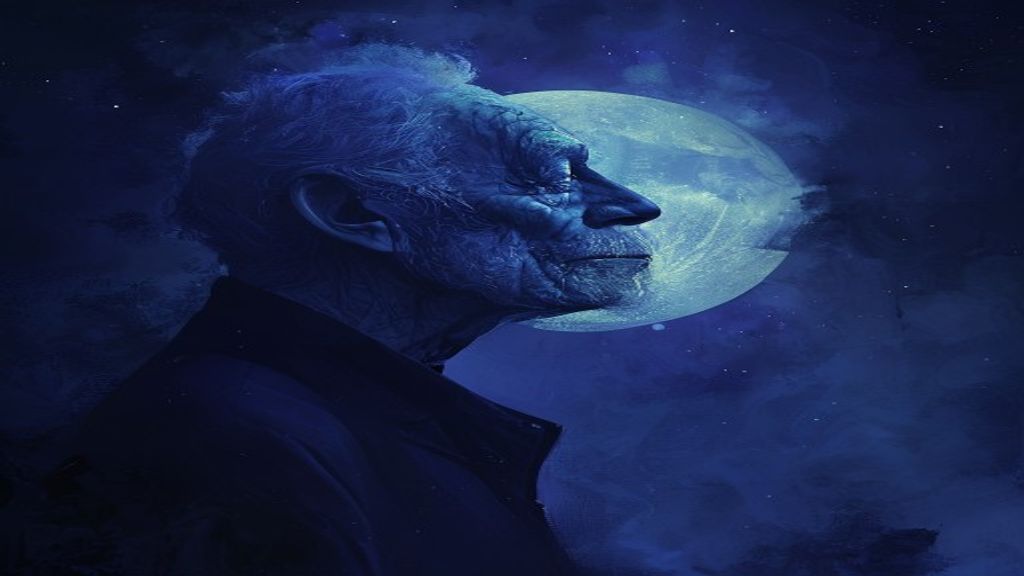
You knew it was him before you saw the car. The sound of the engine coming up the road, that particular note, a little rough, a little loud, and something in you lifted before your brain had caught up. That’s the thing about certain uncles: they arrive with an atmosphere. Not a parental one. Something looser. The rules went slightly sideways when he was around, not dangerously, just differently. And years later, when he appears in a dream, it’s that atmosphere that comes back first, before the face, before anything he says.
Uncle dreams don’t get written about much. They tend to be treated as generic family dreams, processed and filed away. I think that undersells them.
An uncle in a dream often represents a particular kind of authority: nearby but not primary, influential but not responsible for you. He tends to carry questions about guidance, example, and the limits of family expectation. Whether he’s admired, complicated, or absent shapes everything about what the dream is doing.
The sideline figure and what he sees
Uncles observe from a different angle than parents. They weren’t there for the homework refusals and the slammed doors, which means they sometimes got a cleaner view of you. They could admire you without the exhaustion of raising you. And because they were slightly off to the side, their approval felt like it was earned differently: not habitual, not obligated, but chosen. A parent loves you because that’s what parents do. An uncle who clearly liked you was making a statement.
When that figure shows up in a dream, the dream is often circling that quality: the feeling of being seen by someone who wasn’t required to look. This tends to surface in periods when you’re questioning whether the people around you actually choose you, or just remain through inertia. A quiet question about whether you’re valued. The uncle comes back because he carried the answer once.
The complicated version is just as common. An uncle who was difficult, unreliable, or frightening doesn’t disappear from the dream life just because the relationship had limits. Rosalind Cartwright’s work on how dreams process unresolved attachment is relevant here: figures we couldn’t quite categorize, people who held both warmth and damage, tend to recur until something gets resolved. Not all uncle dreams are gentle.
How this figure has been read across time
- Ancient world
In many ancient traditions, male elder relatives carried spiritual and advisory weight in dreams. The Oneirocritica of Artemidorus (2nd century) treated family figures appearing in dreams as frequently concerning inheritance, authority, and status within the household. An uncle’s appearance could signal news from that domain of life.
- Medieval and early modern
Dream interpretation through the Ibn Sirin tradition, which remains influential in Arabic-speaking cultures, reads male relatives in dreams through the lens of protection, guidance, and social standing. An uncle in a dream could represent a figure of refuge or a call to examine where you seek counsel.
- 19th century
Freud’s structural reading of family figures in dreams is historical at this point, but worth naming: he tended to see them as screens for more loaded relationships. I’d take that lightly. A dreamed uncle is usually doing something more immediate than standing in for a repressed parental conflict.
- 20th century onward
The continuity hypothesis, associated with G. William Domhoff, shifts the frame entirely: dream figures reflect the concerns and relationships of waking life. An uncle you were close to will appear when those concerns are active. An uncle you barely knew may show up as a type rather than a person, the sideline-authority figure your mind needed to borrow.
- Contemporary research
Ernest Hartmann’s model of dreams as containers for central emotional concerns helps explain why certain uncle figures recur. If your uncle embodied something, independence, failure, competence, the wrong kind of life, that emotional theme can keep recruiting his image long after the relationship itself has faded.
The version where he’s died
Straightforwardly: deceased uncles appear in dreams more than people expect, and the dreams tend to be quiet. He’s at the edge of a family gathering. He’s doing something with his hands, something specific and ordinary. He doesn’t say much but he’s clearly there, clearly himself. You wake up feeling something that isn’t quite grief and isn’t quite comfort, but is both, layered.
These tend to be least disorienting when you let them be what they are. Not a visitation, not a warning. Just your mind spending time with someone who mattered.
The stranger carrying his face
Some uncle dreams feel off in a way that’s hard to name. He’s there but he’s not quite right. He says something he’d never say. He looks at you from an odd angle. He’s doing something that belongs to a different relationship entirely. In these cases, the figure is doing double work: carrying something about your actual uncle and something else the dream needed him to hold.
This kind of split figure is one of the more interesting things dreams do with familiar faces. An uncle can carry the general weight of male authority, or family expectation, or a road-not-taken, without being specifically about your uncle. The dream is using what it has. If the off-version of your uncle felt connected to something about romance, desire, or unexplored paths, it may be doing something adjacent to what happens in dreams about intimacy or even the peculiar emotional logic of threshold figures, liminal presences that carry permission to go somewhere the dreamer hasn’t quite gone yet.
A note about what’s unresolved
If your uncle dream carries a quality of something unfinished, an argument that wasn’t had, a goodbye that didn’t happen, a relationship that drifted before it was ready to, these are worth sitting with rather than rushing past. The recurring uncle dream, especially the one that stays heavy for hours after waking, tends to have something specific it wants acknowledged. Not fixed. Not resolved in some neat narrative sense. Just looked at.
Dreaming of someone coming back to you, in whatever form, often carries the same weight. The uncle who returns in dreams when you’re navigating a transition in your own life, a new job, a new relationship, a version of yourself that resembles something he once was, is less a ghost and more a question. The question being something like: what did I take from that?
I think about the engine sound. The way atmosphere travels faster than information. If he showed up in your dream last night, something in you recognised him before you could explain why, and that recognition is worth following. There’s usually a specific thing at the end of it. A feeling about authority you’re ready to examine. A kind of freedom you watched someone else have. Or just the plain old grief of missing a person who was part of the particular weather of your childhood.
Dreams about figures from the edges of our family also tend to travel with dreams about other people we made meaning with at a distance. If the uncle dream connects to a sense of paths not taken or lives you half-imagined, dreaming of a child you don’t have sometimes moves through the same emotional territory. The person who showed you a version of life you didn’t choose. The version you occasionally wonder about.
- What did this uncle represent to me: a kind of freedom, a cautionary tale, a form of approval I valued?
- Was the dream using his face for something specific, or was he himself the subject?
- Is there something unresolved between us, said or unsaid, that the dream seems to be circling?
- What was the atmosphere he arrived with, and does that atmosphere exist in my current life?
Quick answers
What does it mean to dream about your uncle?
An uncle in a dream usually carries something about sideline authority, the kind of influence that was real but not primary. He tends to appear when you’re thinking about guidance, example, or the gap between expectations and how things actually turned out. The emotional tone of the dream, warm, strained, or sad, is usually more informative than anything he says or does in it.
What does it mean to dream about a deceased uncle?
Very common, and usually softer than people expect. These dreams tend to be quiet and domestic: he’s simply present, doing something ordinary. Cartwright’s research on grief suggests that recurring dreams of people we’ve lost keep appearing while the emotional processing is still in progress, and they tend to shift in character as that work moves forward.
Why do I dream about an uncle I wasn’t close to?
A distant uncle can appear as a type rather than a specific person. Your dreaming mind may be borrowing his face to carry something more general: the quality of a sideline-authority figure, or a particular kind of life he represented. The fact that you weren’t close may actually make him more useful to the dream, a face with just enough familiarity to feel real, and just enough distance to carry something abstract.
What does it mean when my uncle behaves strangely in a dream?
An uncle who acts out of character is usually carrying double content: something about your actual relationship, and something else the dream needed a partially-known figure to hold. Worth asking what he was doing that felt wrong, and whether that quality connects to something in your current life rather than your history with him specifically.